
Budget could reduce pension growth by £2,500 over 5 years for many high earners
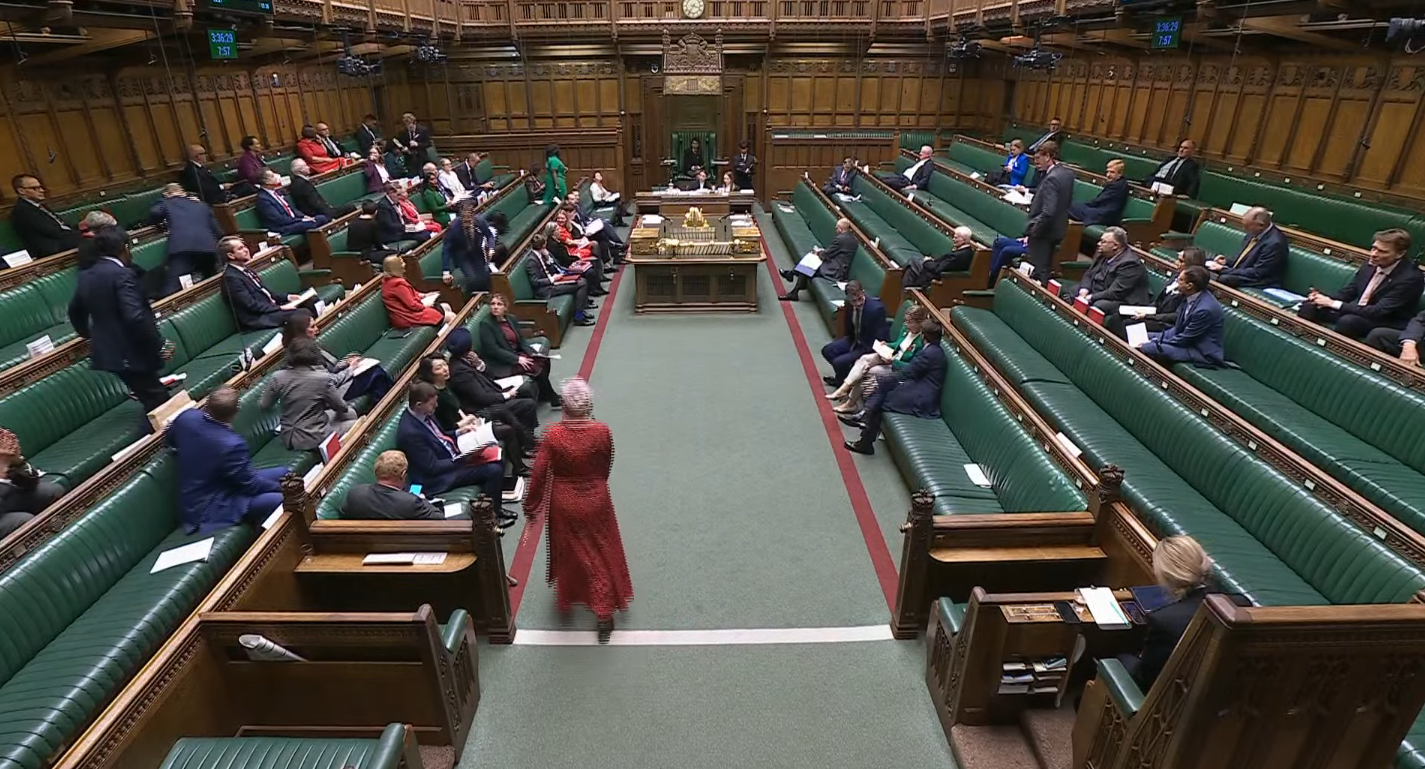
New pension rules set to curb long-term savings gains
The 2025 Budget has introduced major changes to pension taxation that could see many high earners lose around £2,500 in pension growth over the next five years. The projected reduction stems from a combination of new charges on salary-sacrifice contributions and the continued freeze on income-tax thresholds. Together, these measures reshape the incentives that previously encouraged long-term retirement saving among higher-income professionals.
A key element of the Budget is the introduction of social-security charges on salary-sacrifice pension contributions above £2,000 annually from 2029. Salary sacrifice has long been used by higher earners to maximise pension growth while reducing taxable income. By adding new charges, the government aims to close what it describes as an imbalance in the system. However, analysts say the move substantially reduces the efficiency of pension saving for those contributing at higher levels.
Freezing income-tax thresholds until 2030–31 will also have a material impact on pension outcomes. As wages rise over the next several years, employees will gradually move into higher tax bands, increasing the cost of pension contributions relative to take-home pay. This process, often referred to as fiscal drag, means individuals are likely to contribute slightly less to their pensions than they otherwise might have, slowing long-term growth.
Financial experts calculate that the combined effect of these measures could reduce pension gains by around £2,500 over a five-year period for many high earners who contribute regularly. While the exact impact varies based on income level and contribution strategy, the new charges and frozen thresholds work together to limit the compounding benefits that typically drive pension growth. Over a full working career, the cumulative effect may be significantly larger.
For individuals with substantial pension arrangements, the changes may prompt a reassessment of saving strategies. Advisers are already noting increased interest in alternative investment routes, including ISAs and diversified asset portfolios. Although pensions remain one of the most tax-efficient long-term vehicles, the Budget’s reforms create new considerations that many savers have not previously needed to factor into their planning.
The government defends the policy shift as part of a broader effort to ensure fairness across the tax system. Ministers argue that generous tax advantages available to higher earners have contributed to an uneven distribution of reliefs, with lower-income savers benefiting far less from comparable schemes. By recalibrating pension incentives, the government believes it can generate additional revenue while maintaining support for essential public services.
Critics, however, warn that reduced pension incentives could discourage prudent long-term saving. With living costs still elevated and wage growth uneven across sectors, some higher earners may choose to divert funds away from retirement planning. Financial commentators caution that this response could widen retirement disparities over time, particularly if future governments adopt similar tightening measures.
The Budget arrives at a time when the pensions industry is grappling with broader challenges, including volatile markets, shifting annuity rates and increased pressure on defined-contribution schemes. Against this backdrop, even modest reductions in annual pension growth may have a meaningful effect on retirement outcomes. Industry bodies have called for clarity from the Treasury to help savers understand how the reforms affect them.
Although the estimated £2,500 reduction over five years is not catastrophic for many high earners, it represents a clear change in the direction of pension policy. With less favourable tax treatment and fewer incentives for larger contributions, many individuals will need to take a more active role in managing their long-term financial planning. The importance of reviewing contribution levels, investment choices and overall retirement goals has rarely been greater.
As households and advisers absorb the full implications of the Budget, one message is clear: pension growth for higher earners will be slower in the years ahead. While the reforms form part of a wider push to stabilise public finances, they also reshape the landscape of retirement planning. For many professionals, adjusting to this new environment will be essential to maintaining long-term financial security.
Also Read: Freely quietly rolls out new channels UK viewers can access today