LAVA Agni 4 vs Samsung M series long term usage test
Long-term ownership comparison for UK users
Choosing a smartphone for multi-year use means looking beyond specs into support, durability, ecosystem and real-world behaviour. The LAVA Agni 4 and Samsung’s M-series offer different trade-offs when viewed through the lens of long-term usage in the UK.
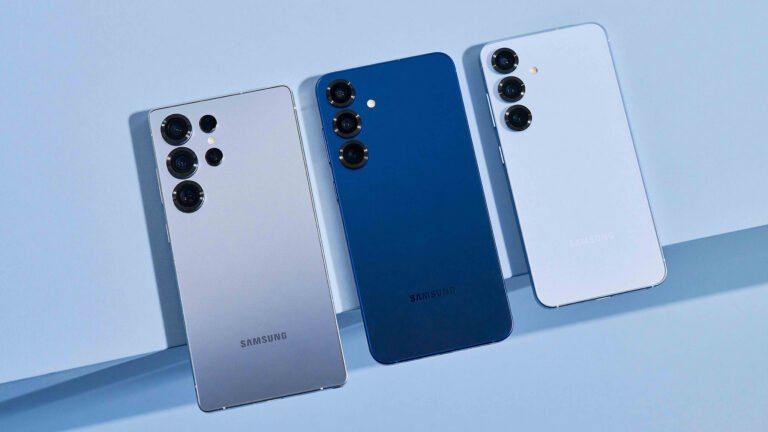
In terms of software and support, Samsung’s M-series has a well-established track record. UK buyers benefit from brand longevity, consistent update schedules and accessible repair centres. The Agni 4 promises three major Android upgrades and four years of security patches, but as the brand is newer in the UK market its real-world long-term performance remains less proven.
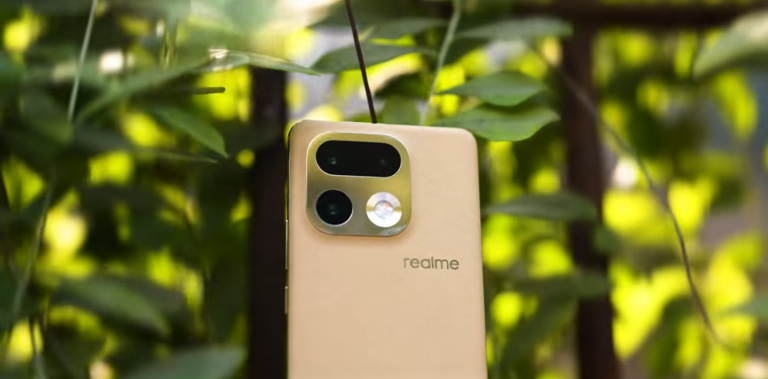
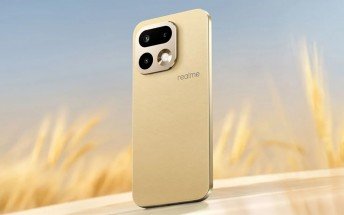
When it comes to build quality and hardware durability, the Agni 4 shows premium touches like a metal frame and glass back, giving it a higher-feel finish for the price. However, fewer months of real-world use data mean the longevity of those materials and components is still somewhat speculative. Samsung’s M-series may use less premium materials, but its widespread service ecosystem and historical reliability in the UK give it a more predictable long-term outlook.
Performance retention over time is another key point. The Agni 4’s chipset and storage are strong out of the box; early reviews show smooth use and capable gaming. But when it comes to sustained heavy use—extended gaming sessions, 4K video capture, high refresh rates—Samsung’s M-series benefits from deeper optimisation and longer field-data regarding performance resilience. For those who push phones hard, the risk of performance drop-off feels lower with Samsung.
Battery health and charging behaviour over the years matter greatly. The Agni 4’s 5,000 mAh battery and 66 W fast charging are competitive and will serve well initially, but long-term fast-charging regimes can accelerate degradation unless carefully managed. Samsung’s M-series, while perhaps less flashy in charging speed, has amassed more user data showing the battery maintains good capacity after heavy use in everyday UK conditions.
The ecosystem, parts availability and resale value are often overlooked but critical over two to three years of ownership. Samsung versus UK is very strong: parts, service partners and a resale market that retains value. With the Agni 4, UK buyers must check warranty status, local support and whether accessories/spares are easy to source. Resale may be less predictable, which could matter if you upgrade after a few years.
Camera systems and feature ageing also come into play. The Agni 4’s cameras impress at first, particularly in daylight, and its 120Hz screen and fast storage are appealing. But ultra-wide performance and low-light capability appear weaker, and with fewer months of usage behind it, how its imaging will hold up is an open question. The Samsung M-series may offer slightly less “wow” out of the box, but its camera tuning and long-term stability in imaging are more tried and trusted by users.
In summary for UK buyers: if your priority is long-term reliability, service support, resale value and minimal risk, the Samsung M-series stands out as the safer, more established choice. On the other hand, if you value maximum hardware bang for your budget, are willing to accept some higher risk around service and ecosystem, the LAVA Agni 4 offers compelling specs and value — just make sure you’re comfortable verifying bands, warranty and support before purchase.