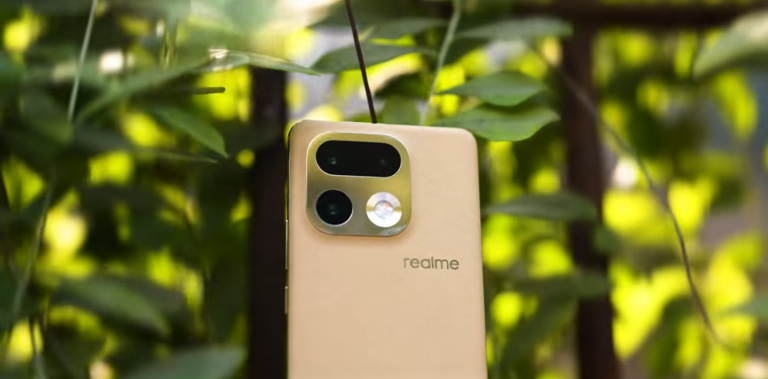
LAVA Agni 4 versus older LAVA models detailed comparison

How Agni 4 stacks up against previous Agni phones
The Lava Agni 4 represents the latest step in Lava’s premium-budget lineup, and comparing it to older Agni models reveals meaningful upgrades in display, performance and camera systems. For UK buyers or those weighing whether to upgrade, these comparisons matter because they highlight where you get genuine improvement and where older phones still deliver good value.
One of the major upgrades in the Agni 4 is its display and refresh rate. The model features a 1.5K AMOLED display at 120Hz refresh, with very high peak brightness — an improvement over earlier Agni phones which used older chipsets or slightly lower resolutions. This translates into smoother scrolling, sharper text and better outdoor visibility in UK daylight conditions.
Under the hood the Agni 4 benefits from a modern chipset (Dimensity 8350) alongside faster RAM (LPDDR5X) and newer storage (UFS 4.0). Previous Agni models used older generation chipsets and storage, which still offered good performance but with fewer future-proofing benefits. If you keep a phone for 3 to 4 years, the newer hardware will matter.

The camera system on Agni 4 also shows clear upgrades. Its main sensor is stronger, the ultra-wide lens is emphasised more, and the front camera has improved resolution. Older Agni phones still provided decent cameras, but the newer model offers better flexibility for travel, social media, and creative content in good lighting.
Charging speeds and connectivity also favour the Agni 4. With rumours of 66W fast charging, USB-C Gen3 level ports, and the latest WiFi/5G support, it moves Lava’s flagship-budget model closer to premium territory. Older models lag behind in charging speed and connectivity features, though still good value.
Battery capacity remains similar across recent models, so while longevity may not improve drastically between older Agni devices and the Agni 4, the efficiency gains from the newer chipset might deliver better real-world endurance in the newer model. For many users, the older battery would still serve well, but heavy users will see more benefit from the latest model.
Where older Agni models still remain relevant is in cost-to-value. If you can pick a Agni 3 or Agni 2 at good discounts, you’ll still get 5G, AMOLED display, decent cameras and acceptable performance. For everyday use, the difference may not justify the extra spend to all buyers, especially if you don’t game heavily or demand the latest display tech.
In summary, if you are upgrading from an old phone and want a device that will stay capable for years, support higher refresh rates, better cameras and faster charging, the Agni 4 is the right choice. But if your needs are moderate and you find a previous model at much lower cost, then one of the older Agni phones will still serve you well without major compromise.
For UK buyers where price, support and future-proofing all matter, the decision should weigh how long you intend to keep the device, how much you use advanced features like gaming or content creation, and whether the latest hardware gains are worth the price difference.
Also Read: Redmi 15 UK service & warranty: what you should know