LAVA Agni 4 macro and ultra wide camera test
Real-world camera evaluation for UK smartphone users
The Lava Agni 4 has become a popular topic among UK buyers due to its improved camera setup, especially the macro and ultra-wide shooting modes. Users are curious to know whether these lenses add real value beyond the powerful primary camera. Hands-on tests indicate that both features deliver meaningful results depending on lighting and conditions.
The ultra-wide camera provides a noticeably wider frame, making it suitable for landscapes, travel photos and group shots. Colour tuning stays consistent with the main camera, so switching modes does not drastically change the look of a scene. This is useful for creators who capture both wide and standard shots in the same moment.
Despite solid daylight performance, the 8-megapixel resolution sets a limit on fine detail. When zooming into photos, textures such as foliage and distant objects appear softer compared with the main sensor. The good news is that edge distortion remains controlled, keeping group and architectural images natural.

In low-light conditions, the ultra-wide camera performs acceptably but not impressively. Detail softens and noise becomes more visible in darker areas of the frame. The night mode boosts brightness, but the results remain behind the performance of the main lens.
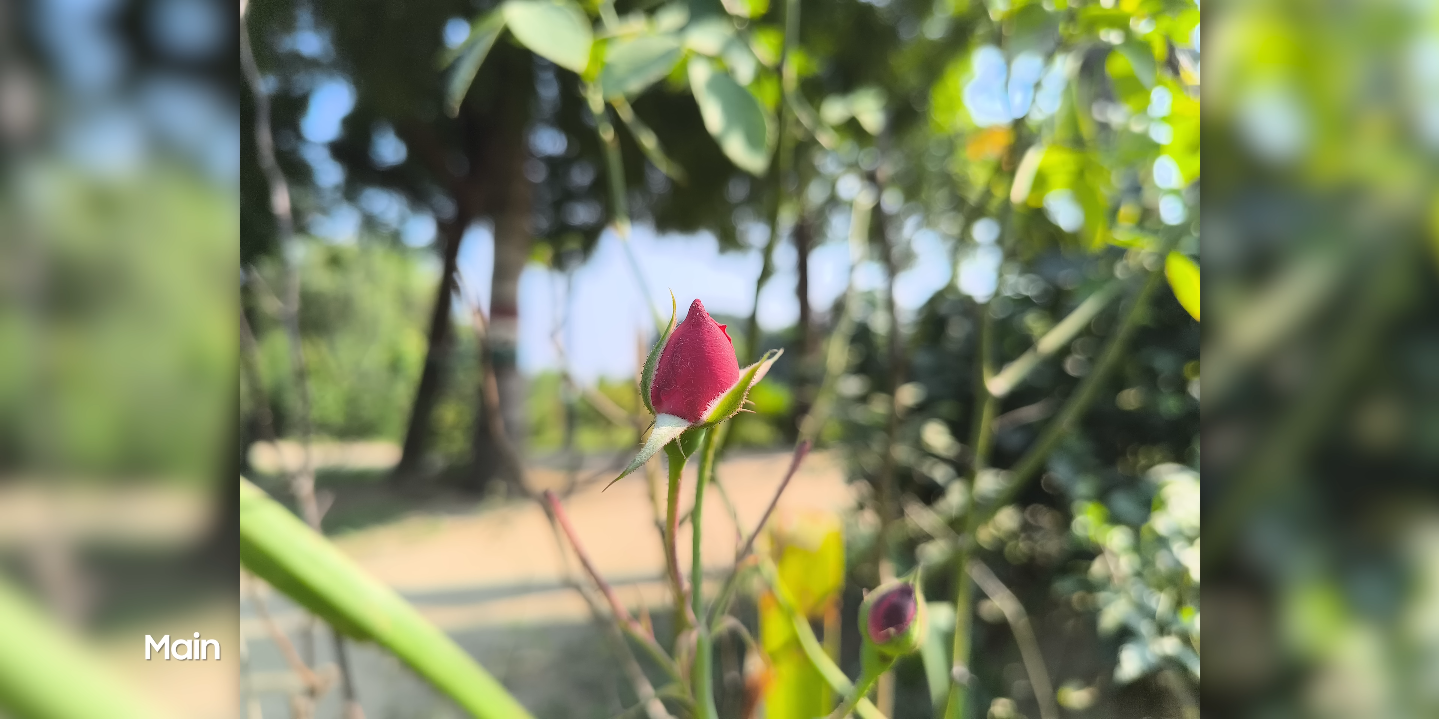
Macro photography on the Agni 4 relies on the main 50-megapixel sensor because the phone does not include a dedicated macro lens. The autofocus system can lock onto subjects at very close distances, producing sharp close-ups in good lighting. Colours remain accurate and textures appear naturally rendered.
Since cropping and autofocus are responsible for magnification, macro shots are sensitive to movement. Slight shaking or subject motion can affect sharpness, especially in indoor or low-lit situations. The best results come when both lighting and subject stability are controlled.
Video using the ultra-wide lens offers a wider field of view that works for vlogging and travel-style recording. Stabilisation is not as strong as the main camera, but video remains usable in bright environments with steady handling. Macro video is more difficult due to shifting focus as subjects move.
Colour consistency across lenses is one of the phone’s strongest advantages. Switching between standard, ultra-wide and macro does not cause dramatic shifts in warmth or contrast. This is ideal for users who prefer ready-to-share photos without heavy editing.
Overall, the ultra-wide mode delivers excellent framing and colour accuracy during the day, though low-light performance remains average. Macro mode produces detailed and vivid close-ups as long as users provide strong lighting and steady positioning. Both features add versatility to everyday photography.
For UK buyers upgrading from budget or early-midrange phones, the improvements in clarity, colour science and focusing stability will be noticeable. The Agni 4 does not challenge flagship camera systems, but it delivers dependable and enjoyable results for travel, daily use and social media photography.
Also Read: LAVA Agni 4 long-term battery test for UK commuters