LAVA Agni 4 camera stabilization and video recording test
Performance Review of Lava’s Latest Video Capabilities
The Lava Agni 4 arrives with a renewed focus on video performance, placing strong emphasis on stability and clarity during handheld shooting. Its main camera features Optical Image Stabilisation, which is designed to reduce shake and maintain smoother footage, especially when recording while walking or moving. Early testing shows that this hardware addition plays a significant role in improving consistency in daytime videos.
In bright outdoor conditions, the main lens delivers detailed footage with steady framing, helped greatly by the OIS system. Movements that would normally introduce jitter are reduced, giving the phone an advantage in everyday vlogging or casual recording scenarios. The colour reproduction in these conditions also remains balanced enough to meet typical user expectations in its price range.
The phone supports up to 4K recording at 60 frames per second on its main camera, offering flexibility for users who want higher-quality video outputs. This capability ensures smoother motion rendering and makes the device more suitable for fast-moving subjects or action shots. For creators who upload to platforms that support higher frame rates, this feature enhances the Agni 4’s appeal.
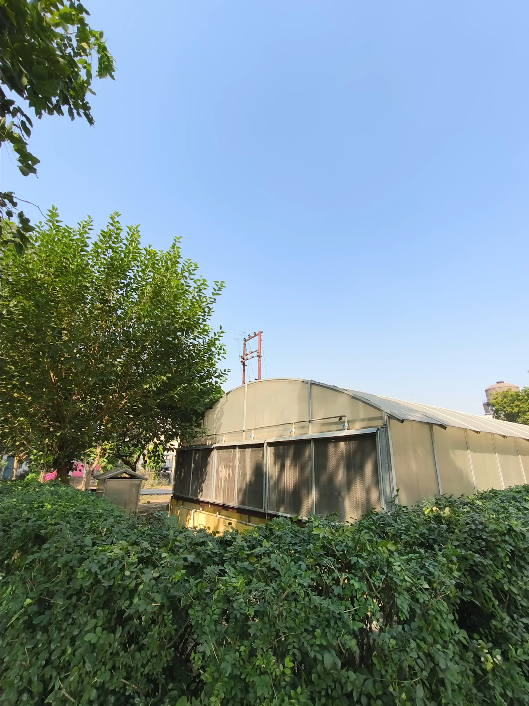
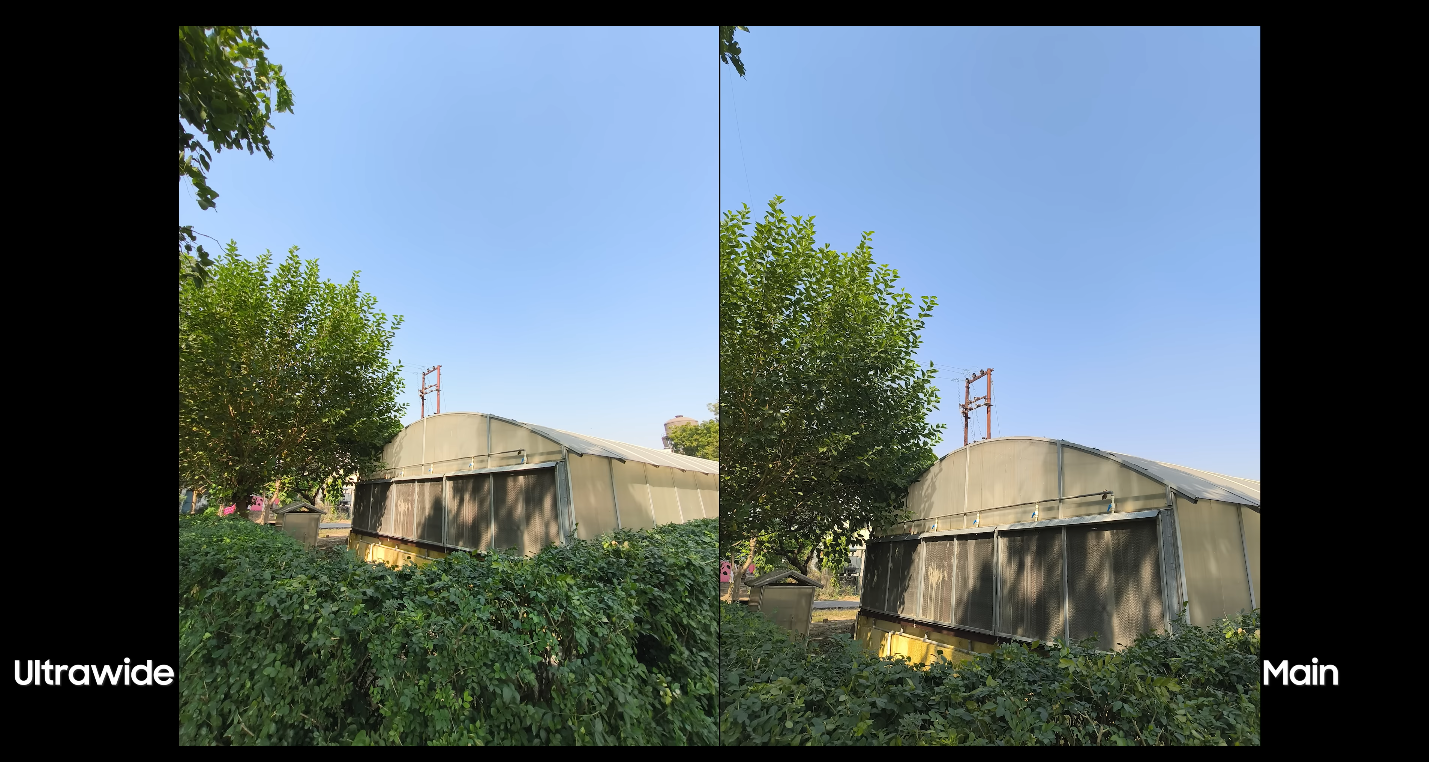
However, the performance of the ultra-wide lens does not mirror the strength of the main camera. The ultra-wide sensor is limited to 1080p at 30 frames per second, resulting in a noticeable drop in clarity when switching lenses. This difference becomes apparent when panning or capturing wider scenes, where stability also declines due to the lack of additional hardware support.
Low-light video performance presents another area where the Agni 4 shows limitations, despite strong results in daylight. When recording indoors or at night, details soften, and the stabilisation becomes less effective. Users may experience more visible motion blur and reduced sharpness when filming moving subjects under artificial lighting.
Audio capture during video recording is serviceable, picking up voices clearly in quiet environments. However, background noise can occasionally overpower the primary subject, especially outdoors or in busy surroundings. While acceptable for basic use, users who prioritise high-quality audio may find room for improvement depending on their recording conditions.
In real-world scenarios, the Agni 4 offers reliable results for handheld shooting on its main camera, particularly for travel clips, family events, and casual vlogs. Its combination of stabilisation and high-resolution recording makes it competitive in its category. For users who primarily film in good lighting, the device stands out as a strong performer.
That said, the phone becomes less versatile when relying on the ultra-wide lens or shooting in challenging lighting. The difference in resolution and stabilisation between lenses is noticeable, and it affects the overall creative freedom that some users may expect. Those who need consistent performance across multiple focal lengths might find the limitations restrictive.
The Agni 4 therefore positions itself as a capable but situational video device. It excels in steady daylight clips captured through the main lens, offering strong value for its segment. Users who focus on everyday shooting will appreciate its dependable stabilisation and smooth footage during casual movement.
In summary, the Lava Agni 4 delivers a solid video experience with its main camera, highlighted by OIS and support for 4K at higher frame rates. While it does not offer equal performance across all lenses, it remains a practical choice for users who prioritise stability and clarity in typical daily shooting conditions.
Also Read: LAVA Agni 4 early user reviews and feedback