LAVA Agni 4 camera vs iPhone older generation
Camera Performance Differences Explained
The comparison between the Lava Agni 4 and older-generation iPhones has become a talking point for users deciding between a newer mid-range device and an ageing but proven iOS model. With verified details now available for the Agni 4, the camera hardware and real-world performance provide a clearer picture of how it stands against devices such as the iPhone 11 and similar earlier models. UK buyers in particular are looking at reliability, consistency and long-term value when judging both options.
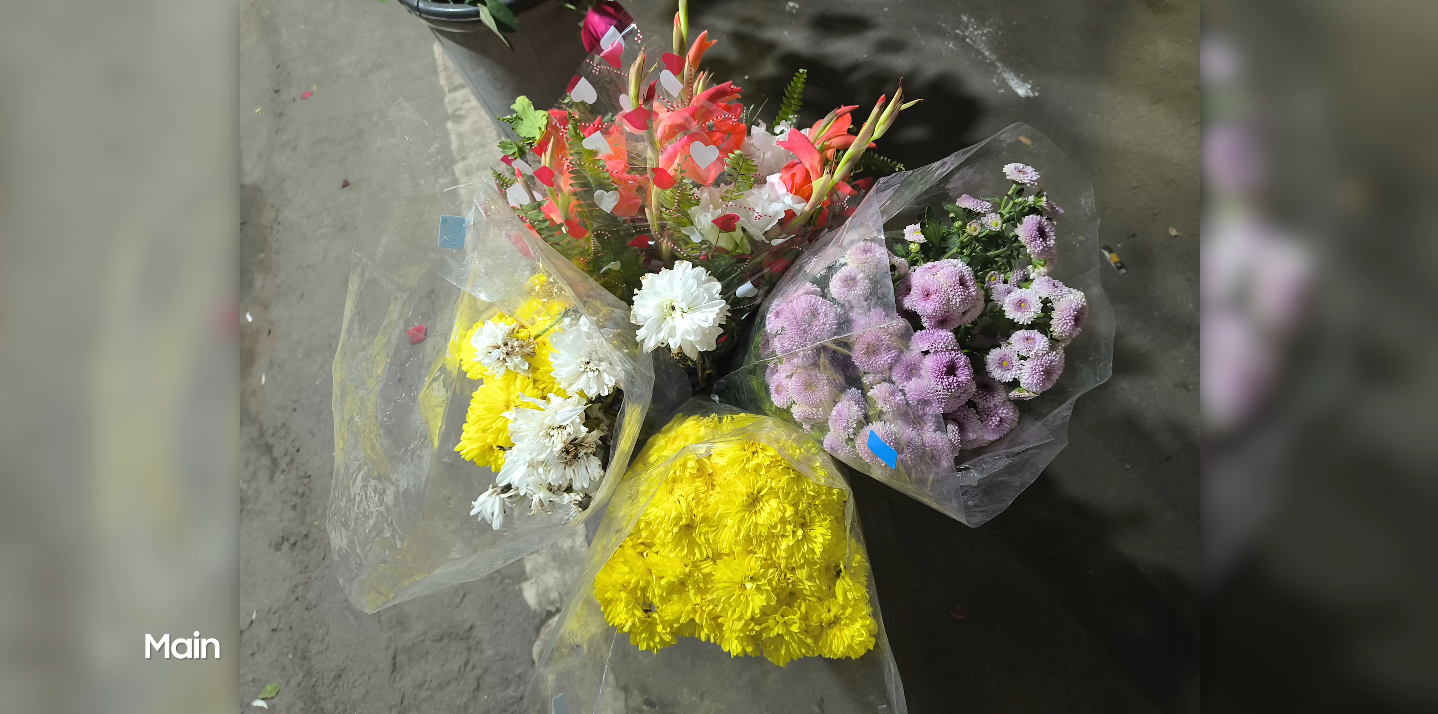
The Agni 4 arrives with a modern 50MP primary lens supported by optical image stabilisation, which instantly gives it a sharpness and detail advantage over older iPhones that typically relied on 12MP sensors. In daytime photography this difference becomes visible, as the Agni 4 can capture more texture and fine elements in outdoor scenes, making it suitable for users who enjoy cropping images or printing them at larger sizes. The updated sensor also helps produce cleaner images even with hand movement.
Older-generation iPhones, however, built their reputation on colour accuracy and stable processing rather than raw megapixels. Even though models like the iPhone 11 use lower-resolution hardware, their output often feels consistent and natural. This is due to Apple’s refined software tuning, which has been optimised over years to deliver balanced highlights, realistic skin tones and reliable exposure. For everyday users who just point and shoot, this predictability still holds strong appeal.

In low-light performance the gap becomes more situation-dependent. The Agni 4 benefits from optical stabilisation and a larger modern sensor, allowing it to keep shutter speeds slightly longer without introducing blur. This helps bring more light into the frame and improves clarity in dim indoor setups. However, older iPhones like the iPhone 11 feature Night Mode algorithms built to lift shadows and reduce noise automatically, giving them an edge in particularly dark environments where software processing matters more than hardware strength.
The ultra-wide cameras tell a different story. The Agni 4’s 8MP ultra-wide unit performs well enough in bright conditions but lacks the detail and dynamic range required for more demanding scenes. Older iPhones often feature 12MP ultra-wide sensors which, despite being older, provide more detail and better edge correction. This makes the iPhone more dependable for group photos, travel shots and wide scenic frames where distortion control is important.
On the video side, both devices support 4K recording at higher frame rates, but their strengths differ. The Agni 4 brings a strong 50MP front camera capable of high-quality video, which is especially useful for self-recording, vlogging and social media creation. Older iPhones remain strong in stabilisation and colour balance, producing footage that feels smooth and consistent without much manual tweaking. For users who need quick results straight out of the camera, the iPhone still maintains an advantage.
For selfie performance, the Agni 4’s high-resolution 50MP front sensor delivers crisp images with strong dynamic range, particularly in natural lighting. This suits buyers who take regular portrait shots or rely heavily on the front camera for work or study calls. Older iPhones capture natural skin tones and well-balanced colours even with their 12MP sensors, which helps produce flattering results in various lighting environments without any colour shift or sharpness issues.
When it comes to software features, the Agni 4 offers updated AI processing and new generation enhancements that help identify scenes and adjust settings automatically. These improvements make it easier for users moving from older Android devices to achieve better quality across different scenarios. Meanwhile, older iPhones maintain their advantage in processing consistency, producing output that rarely requires retakes or editing.
The long-term experience may also differ. Being a newer release, the Agni 4 benefits from updated hardware that should remain competitive for several years. Its camera system, particularly the front module, is ahead of what older iPhones can offer. However, Apple’s older models still provide trustworthy stability, well-tested colour profiles and a smoother overall shooting experience thanks to software maturity, even if the hardware is ageing.
For users choosing between them, the decision comes down to priorities. If you want higher resolution, a standout selfie camera and modern imaging hardware at a competitive UK-friendly value, the Agni 4 offers clear advantages. If you prefer consistency, reliable colour science and proven low-light software performance, an older iPhone still provides a dependable experience, even if the hardware is behind the latest offerings.
In the end, both devices deliver practical strengths for everyday photography. The Agni 4 appeals to users who want fresh hardware and higher detail, while the older iPhone remains a strong option for those who prioritise stable processing and dependable results regardless of the scene.