LAVA Agni 4 camera test with real world results
Practical testing shows strong daytime performance with room for improvement at night
The LAVA Agni 4 has undergone a full real-world camera test, giving a clear picture of how it performs outside controlled studio environments. The phone features a 50MP main sensor with optical image stabilisation, an 8MP ultra-wide lens and a 50MP front camera, forming a versatile setup on paper. Early results show that the device delivers good image quality for everyday use, particularly in daylight conditions that suit casual photographers and social media users in the UK.
During outdoor daytime testing, the Agni 4 produced sharp images with impressive detail recovery, even when capturing textured subjects such as buildings, streets and foliage. Dynamic range handled bright skies competently, and portraits offered reliable background separation without harsh edges. Colours were slightly vibrant but remained pleasant, helping photos appear ready for sharing without the need for editing.
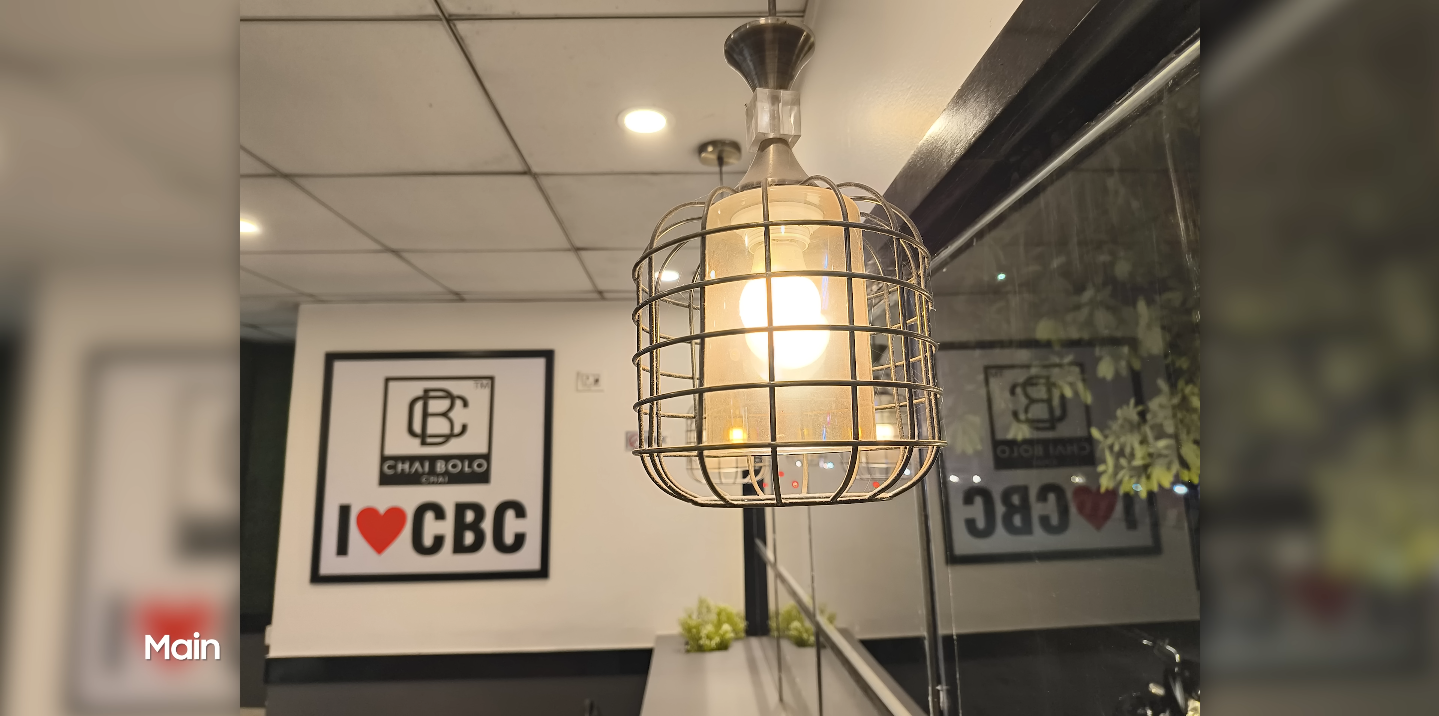
Indoor camera performance was similarly solid when lighting was moderate to bright. The main sensor maintained clarity and accurate skin tones during family photos, restaurant settings and indoor group gatherings. Flash photography at close range also worked well, offering consistent brightness without washing out faces. These test results suggest that the Agni 4 will satisfy the needs of typical UK users who often take photos in mixed indoor environments.

Low-light testing brought mixed results. While night mode improved brightness and exposure, images sometimes showed noticeable noise and a mild softness around the edges of the frame. Motion in very dark environments occasionally caused blurring, meaning users may need a steady hand when photographing moving subjects at night. The ultra-wide lens, in particular, struggled more than the primary camera in dim conditions.
Portrait mode proved to be one of the camera’s strengths, handling subject separation well in both daylight and well-lit indoor scenarios. Background blur appeared natural without creating overly sharp outlines around the subject. The 50MP front camera also produced clear and detailed selfies in good light, though image quality declined predictably in darker venues with limited illumination.
Video testing highlighted a standout feature of the Agni 4: both the front and rear cameras support 4K 60fps recording. Footage had smooth motion and stable exposure during everyday recording, making the phone appealing for travel clips, casual vlogging and social content creation. Stabilisation worked reliably during walking shots, keeping handheld footage watchable.
Software processing speed during capture and preview was generally smooth, though occasional delays were noticed when saving night-mode photos. These pauses did not interfere with daytime shooting, but they remain an area for optimisation in future updates. Aside from this, the camera interface was intuitive and easy to learn, even for less technical users.
Overall, real-world camera testing shows that the LAVA Agni 4 performs well for the majority of everyday UK photography needs. It excels in daylight, portrait photography and video capture, while delivering decent indoor results under moderate lighting. Its weaknesses lie mainly in low-light and ultra-wide performance, especially when shooting fast-moving subjects at night. For buyers seeking a balanced camera experience at a mid-range price, the Agni 4 offers strong value, provided night photography is not the top priority.