LAVA Agni 4 vs popular UK midrange choices which one offers more

How the LAVA Agni 4 Measures Up Against the UK’s Leading Mid-Range Phones
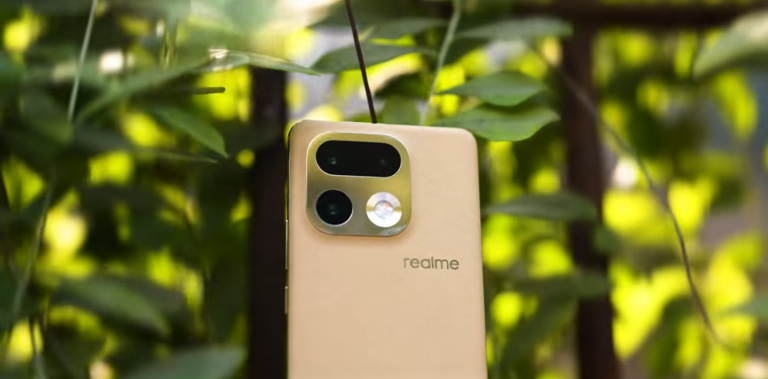
The LAVA Agni 4 arrives as a feature-rich mid-range smartphone aiming to challenge well-established brands that dominate UK shelves. With a 6.67-inch AMOLED display, a 120Hz refresh rate and a 1.5K resolution panel, it positions itself as a strong hardware contender. Its 50MP main camera with optical stabilisation and 66W fast charging further raise its appeal for users looking for high specifications at a competitive price point.
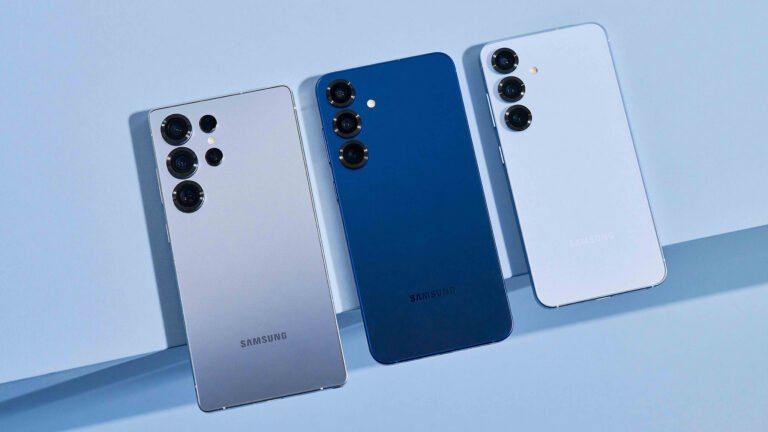
Compared with popular UK choices such as Samsung’s Galaxy A-series and Google’s Pixel A-line, the Agni 4 brings clear advantages in display quality, fast charging capability and storage configuration. Its chipset, the Dimensity 8350 built on a 4nm process, promises efficient performance suitable for everyday tasks, gaming and multitasking. These hardware features give the Agni 4 a compelling value proposition for buyers prioritising specifications.
Where the UK’s mid-range favourites still maintain the upper hand is in software support, ecosystem reliability and brand familiarity. Samsung and Google offer long-term update plans, predictable rollout schedules and wider service networks throughout the UK. This reliability has traditionally influenced mid-range buyers who value after-sales assurance as much as price and features.

The strong camera optimisation found on Google’s Pixel models gives them an advantage in real-world photography despite offering fewer megapixels on paper. Samsung’s Galaxy A-series benefits from years of refinement, consistent user experience and extensive availability. These factors help maintain their popularity among UK shoppers seeking a dependable all-round device.
Battery life is another area where the comparisons diverge. While the Agni 4 includes a respectable 5,000mAh battery supported by 66W fast charging, rival models often provide more refined battery management and additional software-driven efficiency. The Agni 4’s charging speed is superior, but real-world endurance may vary depending on optimisation and regional software variations.
In multimedia performance, the Agni 4’s high-brightness display and 120Hz refresh rate provide a premium experience rarely seen at its expected price tier. For customers who stream video, play games or scroll frequently, this screen could be one of the handset’s strongest attractions. However, UK rivals sometimes offer additional features such as IP ratings or enhanced stereo speaker systems that elevate everyday use.
A key consideration for UK buyers is availability. The Agni 4 has launched with a strong focus on the Indian market, and official UK availability has not yet been established. Until it enters the region with confirmed pricing and service support, many buyers may prefer existing alternatives with clear warranty structures and accessory ecosystems.
In terms of long-term value, Samsung and Google have a proven track record of delivering security patches and major system updates over several years. This longevity appeals to buyers wanting a phone that remains secure and functional for an extended period. The Agni 4’s update promise remains less defined internationally, which may influence purchasing confidence.
Where the Agni 4 truly excels is in offering high-end hardware at a price expected to undercut most established UK mid-range handsets. Its focus on display, storage and charging speed may attract tech-savvy users or those who prioritise specifications above brand reputation. For these buyers, the Agni 4 could deliver more tangible value than some competitors.
For others, the stronger long-term reliability, broader support and well-tested software of UK favourites may outweigh the Agni 4’s hardware advantages. Samsung and Google remain the safer bets for those who prioritise ease of ownership, smooth performance and trusted market presence.
Overall, the LAVA Agni 4 offers more in sheer hardware capability, while the popular UK mid-range options offer more in stability, software assurance and long-term usability. The better choice depends on whether a buyer values cutting-edge specifications or dependable all-round performance supported by established UK service infrastructure.