OnePlus 15 vs Google Pixel Fold 2 — foldable vs flat flagship
A Battle of Form Factors and Everyday Practicality
The OnePlus 15 and the Google Pixel Fold 2 represent two very different visions of a modern flagship. One stays true to the flat-screen formula with a focus on pure performance and battery life, while the other pushes versatility through a foldable design that doubles as a compact tablet. For UK users deciding between these two, the comparison comes down to how much you value form-factor flexibility versus traditional flagship stability.
The OnePlus 15 arrives with Qualcomm’s Snapdragon 8 Elite Gen 5 chipset, designed to offer top-tier speed and efficiency in demanding tasks. This is paired with a sharp LTPO display that reaches up to 165Hz in supported scenarios, making it one of the smoothest flat phone experiences available. In everyday use—scrolling, gaming or switching apps—this gives the phone a noticeably fluid feel.
The Pixel Fold 2, while not yet released, is expected to follow the foundation set by the original Pixel Fold. This means a large internal folding display paired with a smaller outer screen. The foldable design is its greatest strength: users can open it for an expanded workspace, comfortable movie watching or improved multitasking. For productivity-heavy users, the larger internal screen offers real advantages over a traditional flat flagship.

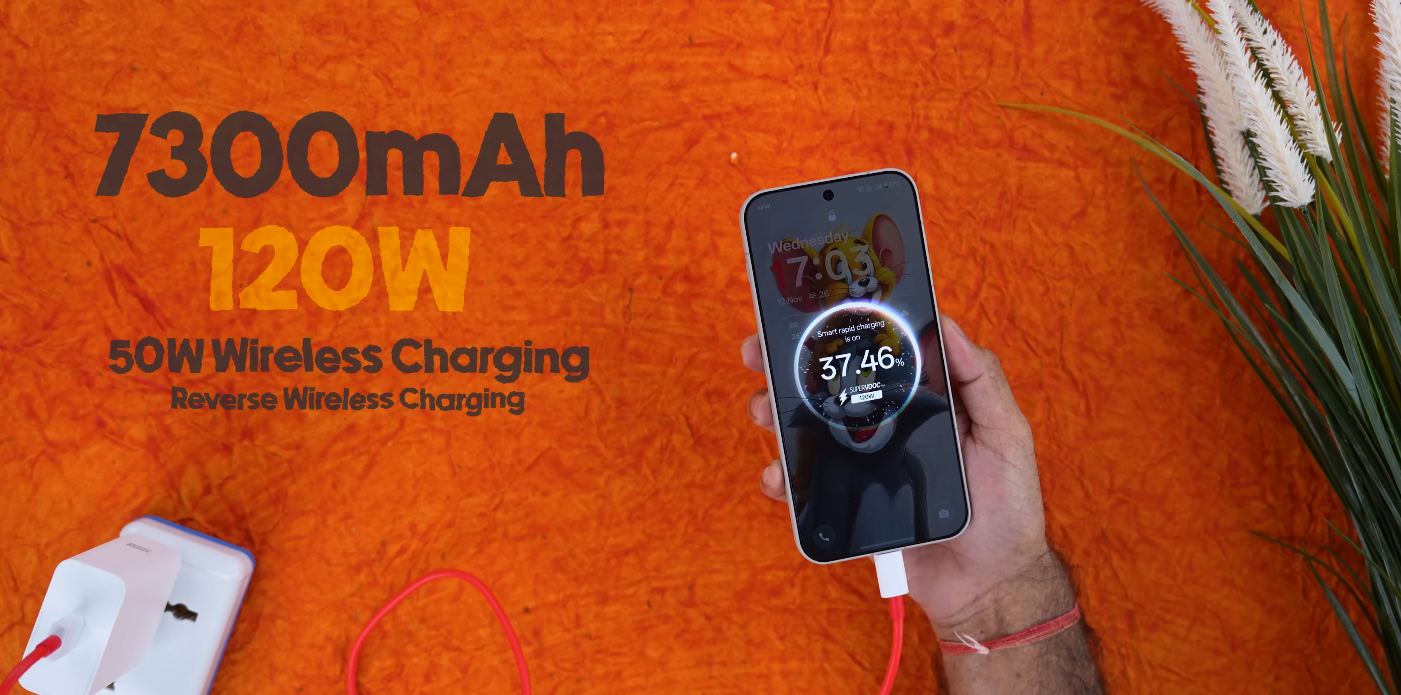
Battery life is another area where the two phones differ significantly. The OnePlus 15 stands out with its large 7,300mAh battery, giving it a comfortable edge in daily endurance. Long commutes, travel days or heavy app usage are unlikely to pose a problem. Foldables, on the other hand, generally sacrifice battery capacity for hinge and display mechanics. The Pixel Fold 2 is expected to continue this trend, making it less reliable for long single-charge usage compared to the OnePlus.
When it comes to cameras, Google’s Pixel line has a longstanding reputation for exceptional computational photography. The Fold 2 is expected to follow suit, providing impressive results in still photography even if its hardware isn’t the highest on paper. The OnePlus 15 delivers strong all-round image quality with its triple-50MP camera system, offering reliability and consistency across different lighting environments. The gap here will likely favour Google in software refinement, but OnePlus remains dependable for versatile daily shooting.
Durability and practicality also matter in day-to-day UK use. Flat phones like the OnePlus 15 are simpler, lighter and easier to manage with one hand. Foldables, while more capable in certain tasks, introduce concerns around hinge wear, screen creasing and higher repair costs. Anyone seeking a hassle-free long-term device may lean toward the OnePlus for its straightforward and durable build.
Software experience plays a key role too. The OnePlus 15 uses OxygenOS, appreciated for its clean and fast interface. Google’s Pixel Fold 2 will benefit from pure Android with Pixel-exclusive features and timely updates. Both offer strong software support, though the Pixel may hold a slight advantage in speed of updates and integration with Google services.
Connectivity, speakers, network performance and daily reliability are expected to be strong on both devices. The decision ultimately hinges on what sort of user you are: someone who prefers a compact, efficient, long-lasting flagship, or someone excited by the idea of a phone that transforms into a tablet when needed.
In conclusion, the OnePlus 15 wins for most users seeking a classic all-round flagship with top performance and outstanding battery life. The Google Pixel Fold 2 is ideal for those who prioritise multitasking, larger screen space and Google’s camera software, even with trade-offs in thickness, weight and battery efficiency. If you’d like, I can also create a focused comparison on cameras, speed tests or long-term durability.