OnePlus 15 vs Sony Xperia 1 VII — cinematic screen vs smooth performance
Two Flagships Built for Very Different Priorities
The OnePlus 15 and Sony Xperia 1 VII take two completely different approaches to the flagship smartphone experience. OnePlus focuses on delivering ultra-smooth performance, huge battery life and fast charging, while Sony stays committed to its cinematic display philosophy and creator-friendly tools. With confirmed details now clear for both models, UK buyers can easily see where each device stands out in daily use.
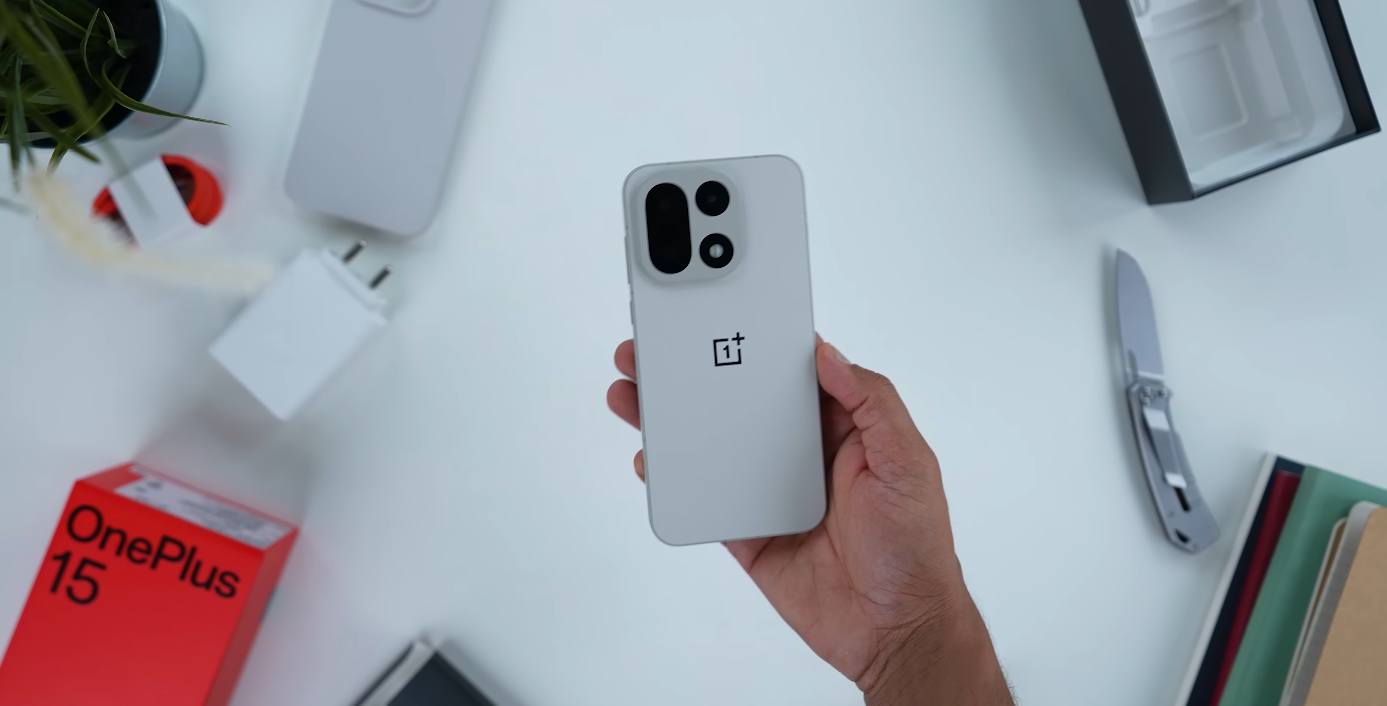
The OnePlus 15 features a large and clean flat-edged design that feels solid and modern in hand. Its build strikes a balance between durability and comfort, making it suitable for long usage sessions. The Sony Xperia 1 VII offers a more compact design with its signature 21:9 silhouette, giving it a distinct, taller profile. This shape is excellent for content viewing and split-screen use, and its narrower width makes it easier to hold for extended periods.
Both phones run on the Snapdragon 8 Elite chipset, ensuring top-tier performance across heavy apps, multitasking and gaming. The OnePlus 15 benefits from strong optimisation in OxygenOS, making animations and transitions feel fast and fluid. The Xperia 1 VII delivers similar raw performance but leans more toward stability and efficiency, especially in creator apps. While both are powerful, the OnePlus 15 feels more focused on speed-first performance.

Display technology is where the two phones differ the most. The OnePlus 15 offers a 6.78-inch AMOLED panel designed for smoothness, capable of extremely high refresh speeds that enhance everything from browsing to gaming. The Xperia 1 VII counters with a 6.5-inch 4K-class OLED panel that focuses on cinematic accuracy. Its calibration and colour profile make it ideal for film lovers and mobile videographers who want studio-level precision on a pocket device.
The refresh rate advantage sits with the OnePlus 15, which provides a noticeably smoother motion experience, especially in fast-paced content. Sony’s display is still responsive, but its strength lies in realism and fidelity rather than maximum speed. For UK users who watch a lot of movies or work with colour-sensitive content, the Xperia 1 VII’s display quality offers a unique benefit that most other phones cannot match.
Battery life presents another major contrast. The OnePlus 15 includes a large 7,300mAh battery designed for long screen-on time and heavy usage. This makes it ideal for users with demanding routines or frequent gaming sessions. The Xperia 1 VII uses a smaller battery but remains efficient thanks to software tuning and its narrower display layout. While both last a full day, the OnePlus offers more endurance for power users.
Charging performance follows the same pattern. The OnePlus 15 supports extremely fast wired charging, allowing rapid refills that keep downtime minimal. The Xperia 1 VII has more conservative charging speeds, focusing on long-term battery health instead of maximum charging power. For users who need quick top-ups throughout the day, the OnePlus 15 is the clear winner.
The multimedia experience leans heavily toward Sony’s strengths. The Xperia 1 VII includes advanced creator tools, pro-level manual controls and high-fidelity audio support that appeal to filmmakers, photographers and media professionals. The OnePlus 15 still offers strong camera hardware and reliable video quality, but its focus remains on general performance and everyday usability rather than creator-centric features.
In daily UK use, the OnePlus 15 feels like the faster, more effortless device thanks to its high refresh rate and battery capacity. The Xperia 1 VII feels more specialised, offering a cinema-quality screen and tools for users who value precision over raw speed. Both offer excellent experiences, but for very different reasons.
Overall, the OnePlus 15 is the better choice for those who want smooth performance, gaming-ready fluidity and long battery life. The Sony Xperia 1 VII is the ideal pick for users who care about cinematic viewing, compact handling and creator-friendly features. Each flagship stands out clearly, making the final choice depend on whether you prioritise visual accuracy or performance-first fluidity.