POCO F8 Pro gaming review: can it handle marathon sessions?
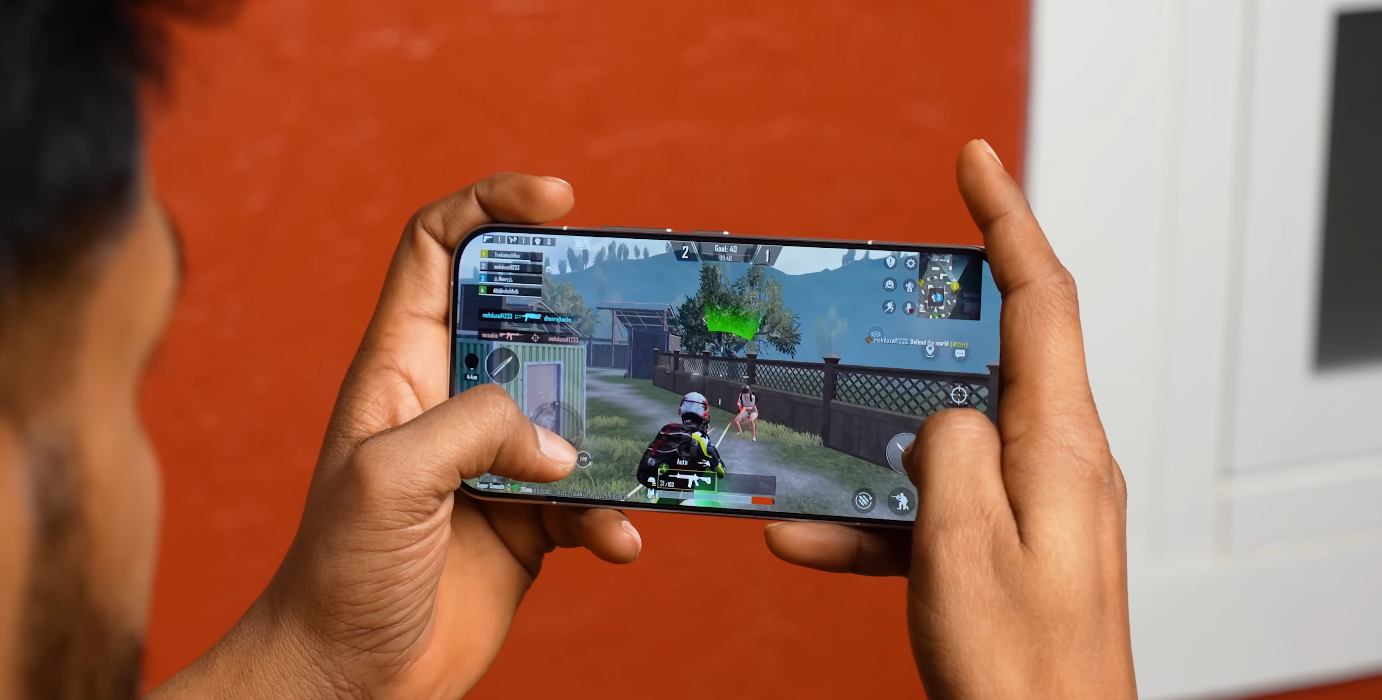
High-Performance Gaming on a Value Phone — How Does It Hold Up?
The POCO F8 Pro positions itself as a serious gaming-friendly device, promising flagship hardware at a more affordable price. For gamers who play long sessions of fast-paced titles or open-world games, the key questions are: can it maintain high performance, stay cool, and deliver endurance? From what we know about its specs and design, it has strong potential—but real-world results will depend on how it’s optimised in practice.
On paper, the POCO F8 Pro boasts a top-tier chipset such as the Snapdragon 8 Elite (or equivalent), which means it has the CPU/GPU muscle to handle the most demanding games without stutter. Coupled with generous RAM (12 GB or more) and fast storage, loading times and multitasking should be smooth. For marathon sessions, having that head-room matters: games stay responsive and you don’t feel limited by hardware as you progress.
Battery and cooling are crucial for long-haul play. The POCO appears to include a large capacity battery (around 7,000 mAh in leaks) and advanced cooling architecture like a vapour chamber or layered thermal pads designed to manage sustained processing loads. These features suggest it can keep operating at a high level without throttling or overheating, which is often the bottleneck in marathon gaming.
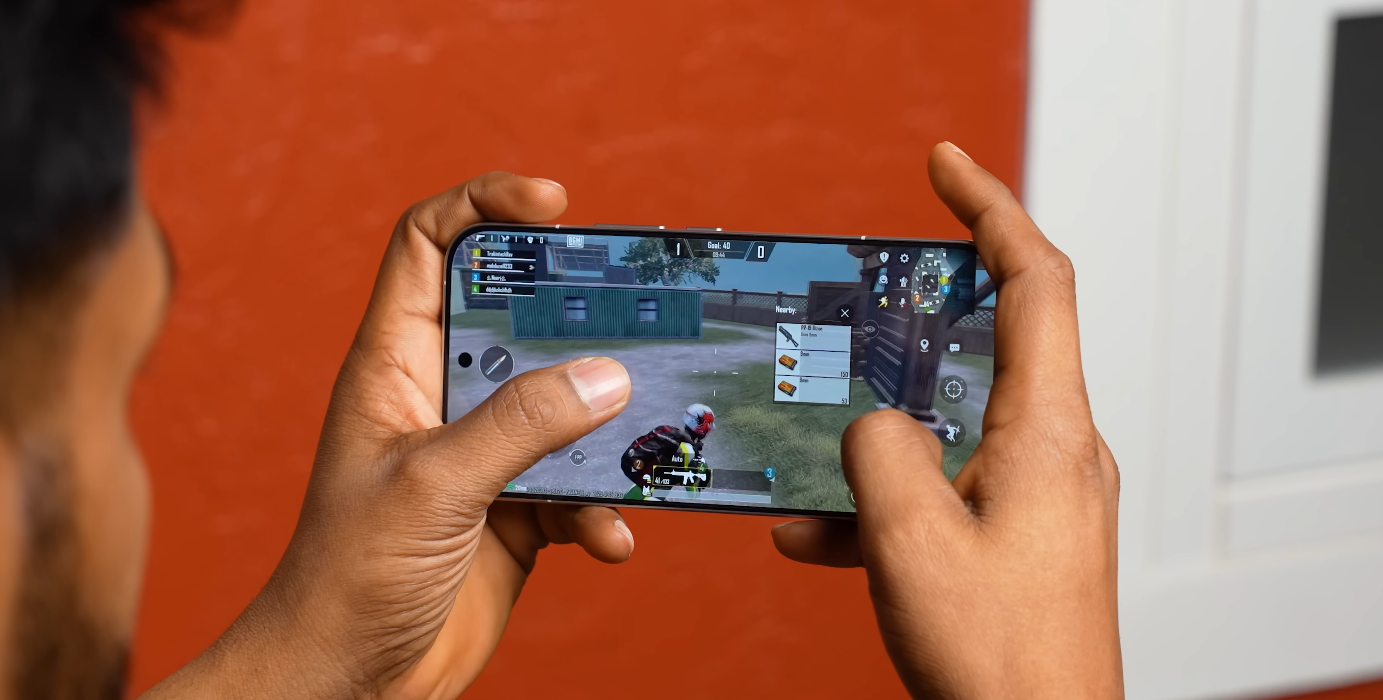
Display and input responsiveness also matter for serious gamers. With a high refresh rate display (120Hz or possibly up to 144Hz) and a high touch-sampling rate, the POCO F8 Pro aims to deliver the fluid visuals and quick reactions competitive players need. In fast shooter games or racing titles, smoother frame rates and faster touch response can make a noticeable difference.
However, there are caveats to watch. Leaked specs don’t always translate fully in retail models; regional variants may reduce battery size, remove extras or run different thermals. In practice, how long the phone sustains high fps under load, how hot it gets, and how the battery drains during 90-minute game bursts will reveal true readiness. Also, if you game while charging, heat management becomes even more critical.
Moreover, software optimisation is as important as hardware — games must be well-supported, performance modes stable, and background processes managed. If POCO nails this, then the F8 Pro can indeed handle marathon sessions well. If not, even great specs may underperform in extended usage.
In conclusion: Yes, the POCO F8 Pro can likely handle marathon gaming sessions—particularly given the strong hardware foundation and game-oriented design. For gamers who want high performance without the ultra-premium price, it looks like a strong contender. But for best experience, look for real-world reviews of thermal behaviour, battery drop, and sustained fps before committing.