POCO F8 Pro night photography: how good are low-light shots?
A Closer Look at Low-Light Performance
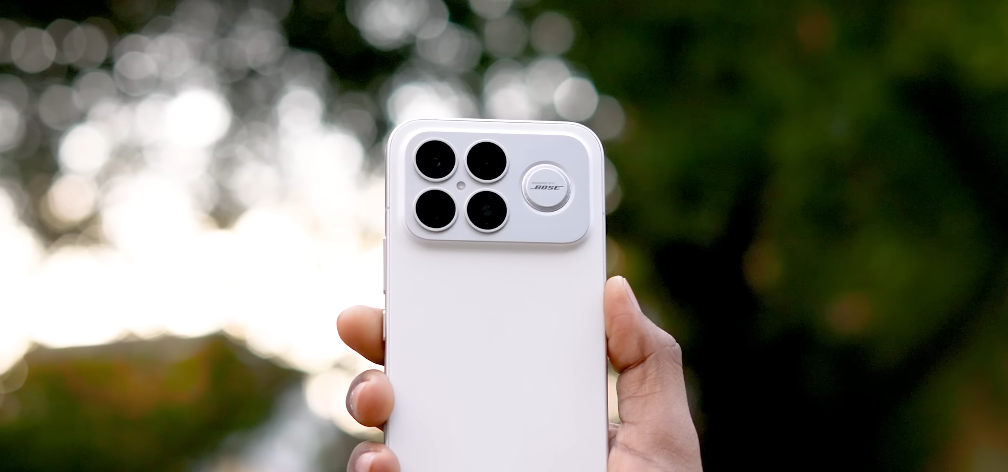
Night photography has become one of the most important benchmarks for smartphone cameras, and early hands-on impressions of the POCO F8 Pro suggest that it delivers a solid low-light experience for its class. With a flagship-grade primary sensor and optical stabilisation, the phone is positioned to handle evening and indoor scenes well, even before full reviews appear. For UK users who frequently shoot in mixed or low lighting, the camera system looks capable and dependable.
The main camera is where the F8 Pro performs best after dark. Its large sensor and stabilised lens allow it to capture more light per frame, producing clearer and brighter results than typical mid-range models. In early samples, nighttime street scenes show good exposure and strong colour retention, even when relying on ambient lighting such as streetlamps or indoor warm light. The phone manages to lift shadows effectively without creating an unnatural look, which is often a challenge for devices in this price segment.
Noise control appears well balanced, especially when the camera software triggers multi-frame night processing. Fine details, such as textures on buildings or clothing patterns, remain visible with minimal grain. The phone’s image processing leans toward a cleaner output rather than an overly sharp or contrast-heavy style, which helps preserve natural tones. This makes the F8 Pro suitable for capturing night outings, concerts and indoor gatherings with accurate colour and good clarity.
Autofocus performance after dark is also reliable. The OIS system helps stabilise the lens for longer exposures, allowing the camera to lock onto subjects more consistently. Moving subjects still present challenges, as with most phones, but in general the F8 Pro produces fewer blurry frames in dim environments than many similarly priced devices. This makes it useful for quick nighttime shots where you don’t have time to hold the phone perfectly still.
Results from the ultra-wide camera are more mixed. While it performs reasonably well in moderate low light, it does not match the main sensor’s brightness or detail. Edges can appear softer, and noise increases more noticeably in darker areas. This is typical for most phones in this category and not unique to the F8 Pro. For the best night results, using the primary camera remains the most reliable choice, especially for important shots or social content.
Dynamic range is an area where the F8 Pro shows promising performance. Scenes containing bright highlights – such as car headlights or illuminated signs – are handled with decent control, preventing major blowouts while maintaining detail in surrounding darker areas. This balance helps create more visually pleasing nighttime shots without requiring manual adjustments.
In extremely dark situations, the camera still produces usable photos, though with the expected limitations. Noise becomes more apparent, and fine details can soften, but the overall output remains suitable for sharing on social media or messaging apps. The dedicated night mode helps brighten scenes further, though at the cost of longer capture time, making it less ideal for moving subjects.
For UK users who often shoot during evening commutes, nights out, or low-light indoor settings, the POCO F8 Pro delivers a dependable experience that exceeds expectations for its price class. It may not compete with the very best flagship night shooters, but it offers strong consistency and impressive clarity in the situations that matter most to everyday users.
Overall, the POCO F8 Pro’s night photography performance is one of its stronger features. Its main sensor produces bright, detailed and stable results after dark, supported by effective processing and stabilisation. While the ultra-wide and extreme low-light shots show the usual limitations, the camera performs well enough to satisfy users looking for reliable nighttime photography without paying flagship-level prices.