Xiaomi 17 Pro Max vs iPhone SE 4: flagship versus affordable premium
Premium powerhouse clashes with Apple’s upcoming value contender
The Xiaomi 17 Pro Max and the upcoming iPhone SE 4 are aimed at two very different types of smartphone buyers, yet both have become central to purchase decisions in the UK market. The Xiaomi 17 Pro Max represents the high end of Android innovation, while the iPhone SE 4 is positioned to offer a premium experience at a much lower price point. This contrast has created strong interest among users comparing performance, value and long-term ownership.
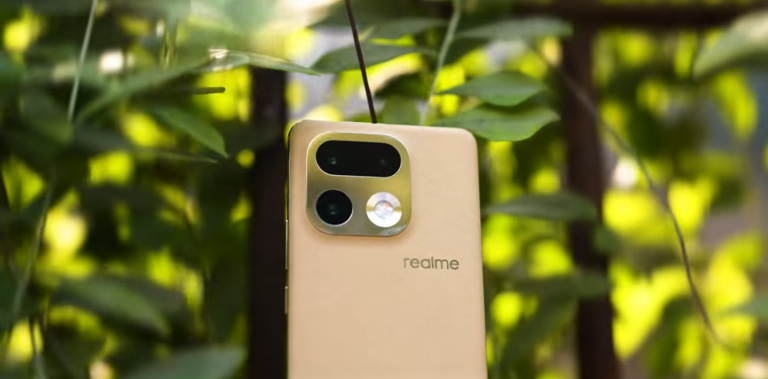
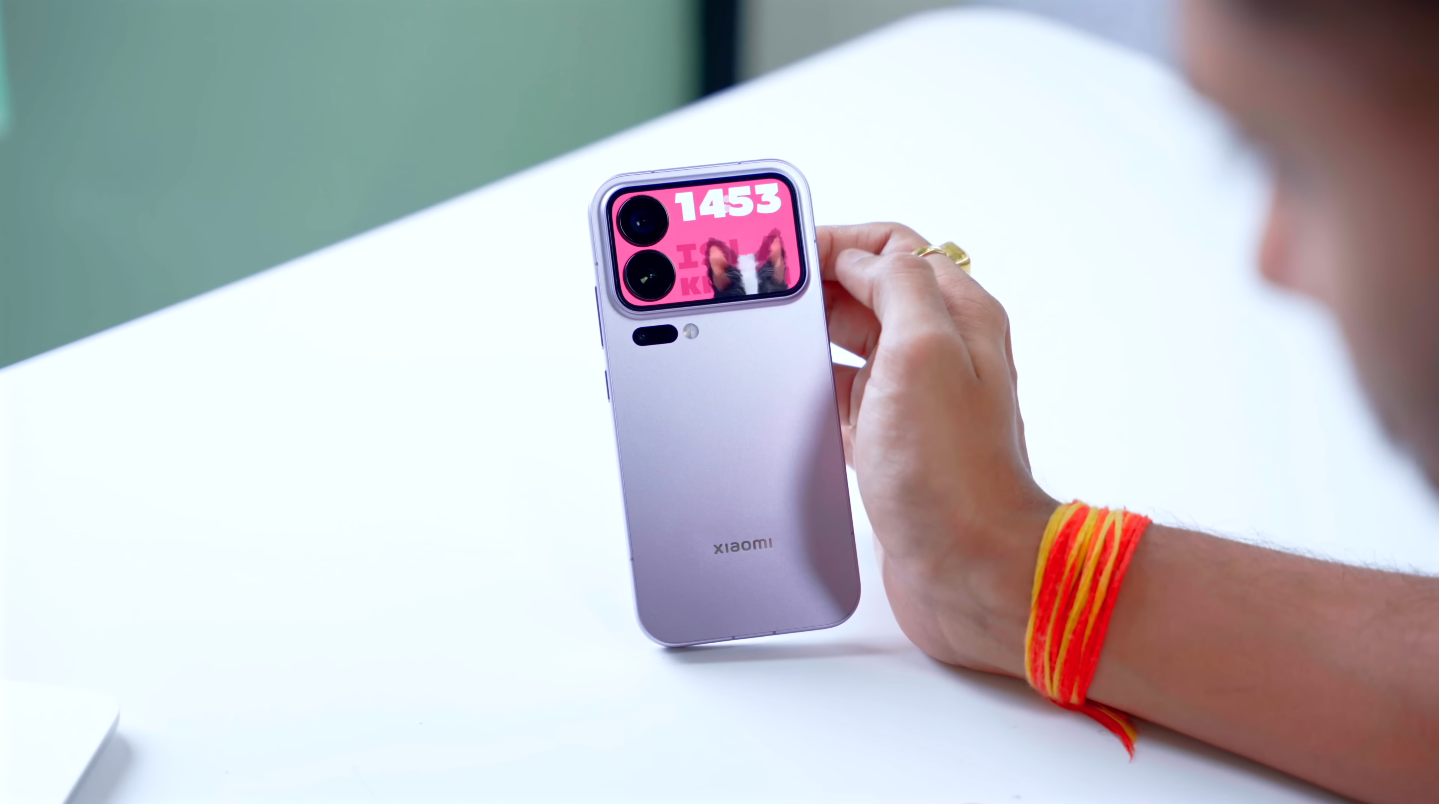
The Xiaomi 17 Pro Max enters the scene as a full flagship device. It includes a large AMOLED display with a high refresh rate, a powerful Snapdragon processor, and a versatile triple-camera system with premium zoom capability. Features such as fast charging, strong battery endurance and polished software reinforce its appeal for buyers seeking cutting-edge technology without compromise.
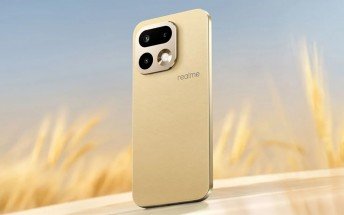
In comparison, the iPhone SE 4 is being designed as Apple’s affordable premium alternative. Instead of competing directly with the highest tier, it offers a blend of modern performance and cost control. The phone is expected to adopt an OLED display for the first time in the SE lineup and introduce a major jump in camera quality, while keeping performance competitive thanks to an A-series chip used in recent flagship iPhones.
The price difference between these two devices will be a defining factor for UK shoppers. The Xiaomi 17 Pro Max is expected to enter the premium price bracket and challenge other full-scale Android flagships. Meanwhile, the iPhone SE 4 is positioned to attract buyers seeking the Apple ecosystem and modern features without the high cost of the Pro series. For many users, this cost-to-value ratio will determine which device makes more sense.
Screen size preference will also play a major role. The Xiaomi 17 Pro Max’s larger display suits users who consume a lot of media, play games or multitask heavily. The iPhone SE 4’s more compact form will appeal to those who prioritise ease of use and comfort for one-handed operation. Neither approach is objectively better, but both cater to distinct segments of the UK smartphone audience.
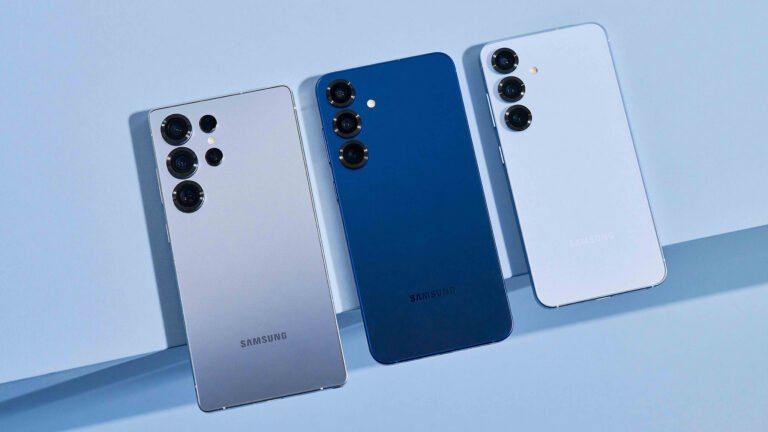
Photography is another area where priorities differ. Xiaomi’s focus leans toward versatility with multiple high-resolution sensors and zoom capability tailored for enthusiasts. Apple’s approach with the SE line is typically centred on image consistency and computational photography. For everyday users who just want great point-and-shoot results, the iPhone SE 4 may be more than enough, whereas content creators might favour the richer camera toolkit of the Xiaomi 17 Pro Max.
Battery life and charging are expected to separate the two devices further. The Xiaomi 17 Pro Max offers a large battery and extremely fast charging speeds, appealing to power users on the move. The iPhone SE 4 is likely to maintain a more conservative battery performance, focusing on efficiency rather than high-watt charging. While both should handle daily use well, heavy users may find Xiaomi’s solution more reliable for long sessions away from the charger.
Software preference also plays a decisive role. Users who prefer Android flexibility, customisation and freedom will lean toward the Xiaomi 17 Pro Max. Those embedded in the Apple ecosystem — iMessage, FaceTime and iCloud — will see the iPhone SE 4 as a cost-effective way to stay within that environment without upgrading to the most expensive models. Long-term support is expected to remain a strength for both brands, making each device safe for multi-year ownership.
Ultimately, this comparison isn’t about declaring a winner but about understanding two different buying preferences. The Xiaomi 17 Pro Max targets users who want the highest specifications available and are willing to pay for them. The iPhone SE 4 speaks to buyers who seek dependable performance and brand experience at a far more accessible price. For UK shoppers, the decision comes down to whether flagship power or affordable premium value is the priority.