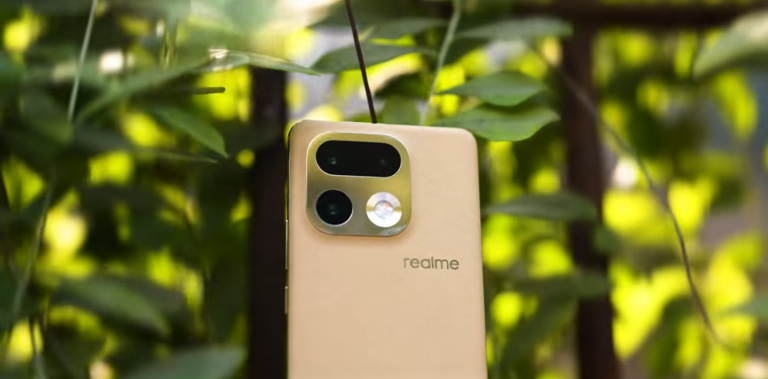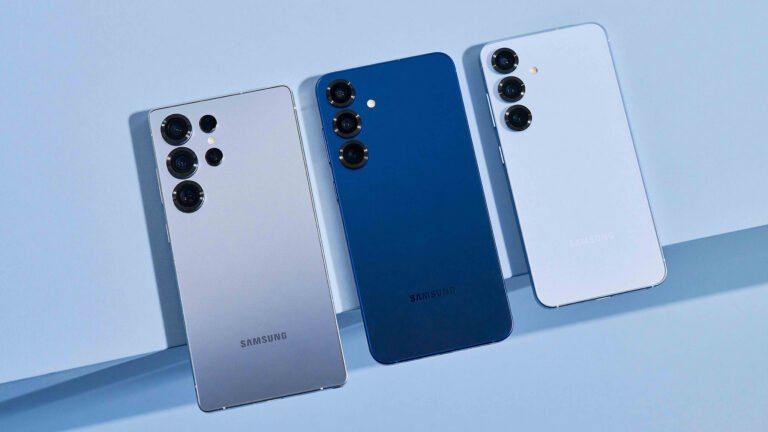
OnePlus 15 vs Nexus era smartphones: how far tech has come
The Massive Leap From Early Android Flagships to Today’s Powerhouses
The difference between the OnePlus 15 and smartphones from the Nexus era highlights just how dramatically mobile technology has advanced in a little over a decade. What was once considered premium and forward-thinking now feels basic compared to the capabilities of today’s flagship hardware.
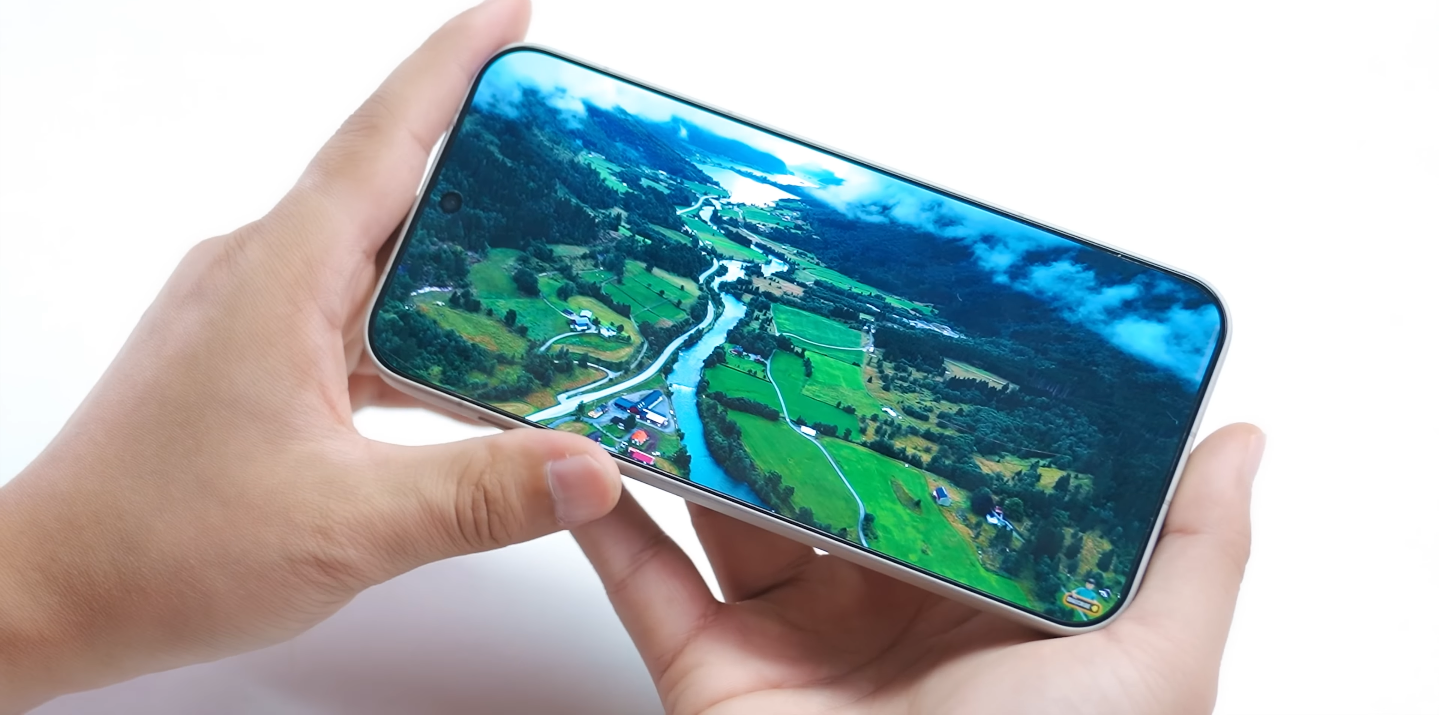
Nexus devices were built during a time when simplicity and clean software defined Android. They focused on offering a pure experience rather than pushing boundaries in hardware. Screens were smaller, refresh rates were fixed and brightness levels were modest. In contrast, the OnePlus 15 features a large, ultra-bright, adaptive display that adjusts dynamically for smoothness and efficiency, transforming everyday interaction.
Performance has evolved even more dramatically. The processors used in Nexus phones handled early multitasking well but struggled under heavy loads. Modern workloads such as advanced gaming, AI-driven features and demanding apps simply weren’t part of the picture. The OnePlus 15’s flagship chipset manages all of these with ease, maintaining stability and speed even during sustained, intensive use.
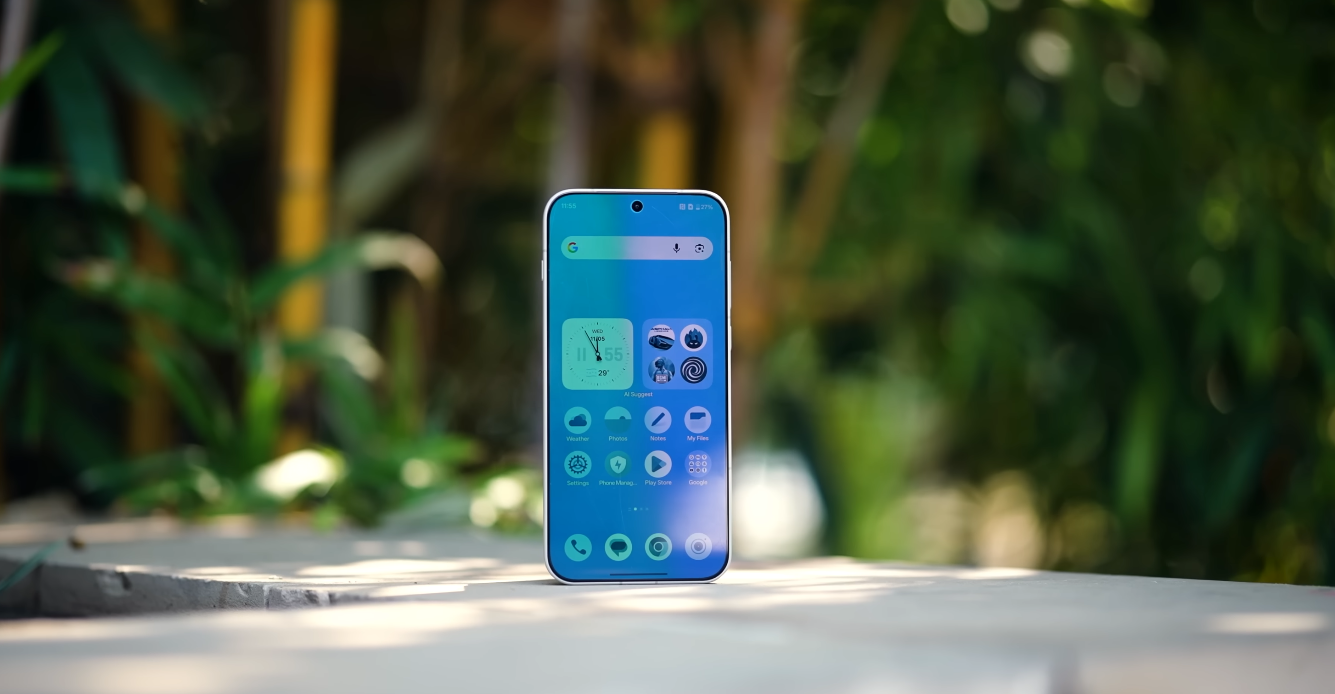
Battery life is another area where progress is unmistakable. Nexus phones typically required daily charging and offered slow power top-ups. By comparison, the OnePlus 15 includes a significantly larger battery and extremely fast charging support, allowing users to get through multiple days of normal use and recharge in a fraction of the time.
Camera technology demonstrates one of the most dramatic leaps. Nexus cameras were capable but inconsistent, particularly in low light. The OnePlus 15 uses advanced sensors, improved stabilisation and powerful computational photography tools to deliver shots with far more detail, clarity and dynamic range. Features like night photography, optical zoom and high-quality video recording simply didn’t exist in the mainstream Nexus years.
Software maturity also plays a major role. Nexus smartphones helped shape the identity of stock Android, but update schedules and stability were limited by the hardware of the time. The OnePlus 15 benefits from smoother animations, longer support windows and deep system optimisation, giving users a more stable and refined experience that lasts far longer.
Connectivity has seen massive upgrades too. Nexus devices operated in a world before widespread 5G, modern Wi-Fi standards and rapid Bluetooth advancements. The OnePlus 15 offers far faster data speeds, stronger signal stability and quicker accessory pairing, reflecting how expectations for wireless performance have evolved.
Storage and memory further highlight the generational gap. What was once considered generous—like 2GB of RAM or 32GB of storage—now feels extremely limited. The OnePlus 15 includes large, fast memory modules that support heavy multitasking, large apps and high-resolution media without compromise.
Design philosophy has shifted as well. Nexus devices often used plastic builds and minimalist aesthetics. Modern flagships like the OnePlus 15 offer premium materials, refined ergonomics and improved durability, delivering a device that feels both modern and luxurious.
In the end, comparing the OnePlus 15 to the Nexus era makes the evolution of smartphone technology unmistakable. From display and performance to photography, software and design, the changes represent a complete transformation of what users can expect. The OnePlus 15 stands as a clear example of just how far smartphones have come since the early Android days.
Also Read: Xiaomi 17 Pro Max import risks for UK buyers: warranty, updates, band support