Redmi 15 vs iPhone 13 mini: specs vs size vs value
Two very different phones aiming at two very different buyers
Comparing the Redmi 15 with the iPhone 13 mini highlights just how far apart two smartphones can be in design philosophy. One is an ultra-budget Android model built around size, battery life and value; the other is a compact premium device aimed at users who want performance and portability. For UK buyers, the decision often comes down to what matters more: big-screen practicality or small-phone convenience.
The most obvious difference is size. The iPhone 13 mini remains one of the smallest premium smartphones available, with a 5.4-inch OLED display and lightweight build that fits easily into one hand or a small pocket. The Redmi 15 sits at the opposite extreme with a much larger 6.9-inch screen, making it better for watching video, browsing and gaming. It is far less pocket-friendly, but much more comfortable for extended content consumption.
Performance is another key divider. Apple’s A15 Bionic processor inside the iPhone 13 mini remains strong even years after launch, offering high-end speed and stability with consistent software optimisation. The Redmi 15 uses a budget-to-mid-chipset designed for everyday tasks; it handles normal use easily but isn’t built for heavy gaming or professional workloads. Users looking for longevity and reliable power will lean toward the iPhone.
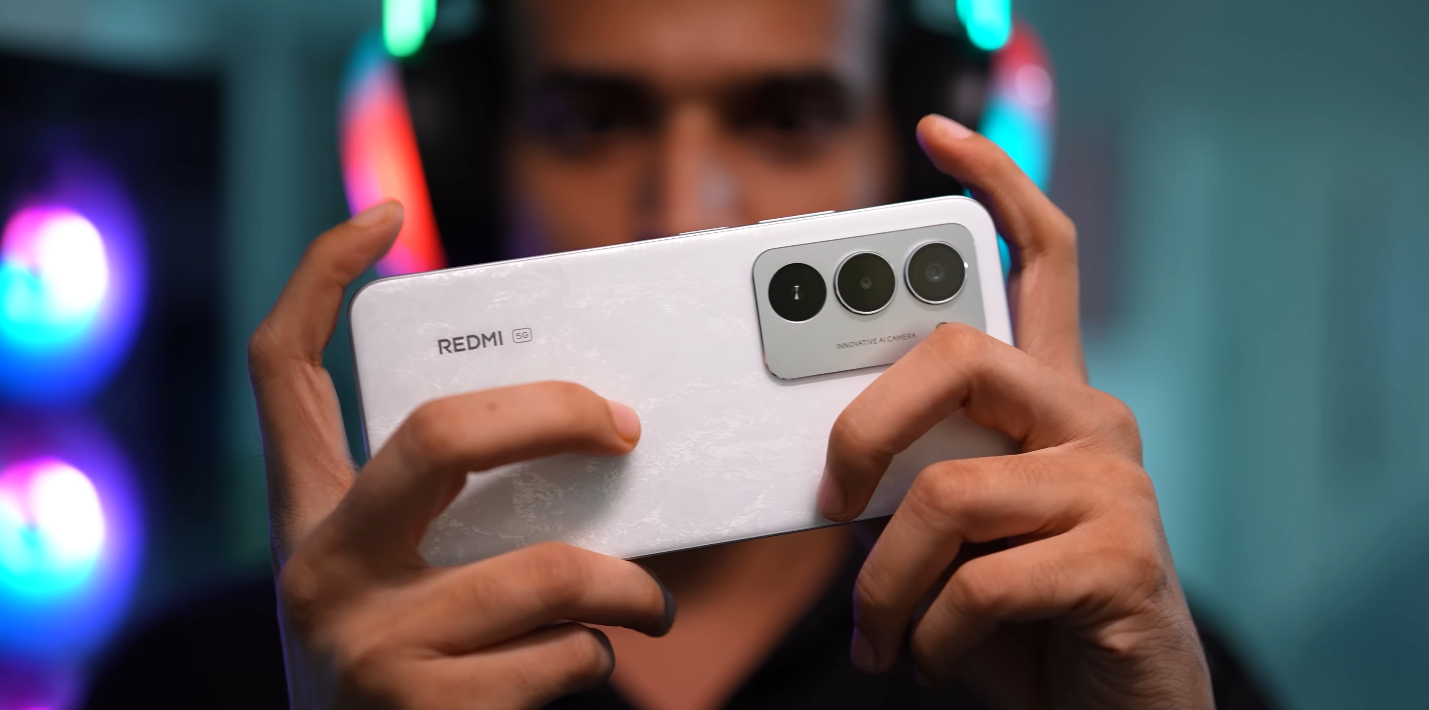
Battery life, however, favours the Redmi 15. Its massive battery offers very long endurance, often lasting far beyond a full day of heavy use. The iPhone 13 mini’s small physical size limits battery capacity, meaning users with long days or intensive usage habits may need mid-day top-ups. Apple’s efficiency helps, but physics still wins: a bigger phone can hold a bigger battery.
The camera experience also differs. The iPhone 13 mini’s dual-lens system delivers better low-light performance, more consistent colour science and stronger video quality. For users posting frequently on social media or capturing important moments, it offers more polished results. The Redmi 15 takes good photos for its class, especially in daylight, but lacks the refinements and extra lens versatility found on Apple’s older flagship models.
Software and longevity strongly favour Apple. The iPhone 13 mini benefits from several more years of iOS updates, giving it long-term security, stability and resale value. Xiaomi provides decent support for the Redmi 15, but budget Android models typically receive fewer major updates. For buyers who keep a phone for three years or more, this becomes a major consideration.
Value, however, is where the Redmi 15 excels. It offers a large display, long battery life and capable daily performance at a fraction of the cost of an iPhone. For students or budget-conscious users, the Redmi 15 provides more features per pound spent, even if the experience is not as refined. The iPhone 13 mini, despite offering premium quality, carries a higher price that some users may struggle to justify for a smaller screen and shorter battery life.
Choosing between these two devices ultimately depends on your lifestyle. If you want a compact, fast and long-lasting premium phone with excellent camera performance and years of updates, the iPhone 13 mini is the smarter buy. If you prefer a huge screen, exceptional battery endurance and unbeatable value, the Redmi 15 clearly wins. Both devices make sense—but for entirely different reasons.
In summary, the Redmi 15 shines as a budget powerhouse built for everyday practicality, while the iPhone 13 mini remains unmatched in compact premium performance. For UK buyers seeking value above all else, the Redmi 15 stands out. For those wanting reliability, portability and software longevity, the iPhone 13 mini continues to be the superior long-term choice.