Redmi 15 vs Samsung’s “budget flagship”: brand comparison
Evaluating brand trust, support and value for money
Choosing a smartphone isn’t just about specifications—it’s also about the brand behind it, the ecosystem, the long-term support and how it serves you over time. In this comparison, the Redmi 15 from Xiaomi is pitted against a representative “budget flagship” from Samsung (such as the Galaxy A-series). The question for UK buyers is: which brand-model represents the smarter investment considering value, support and future use?
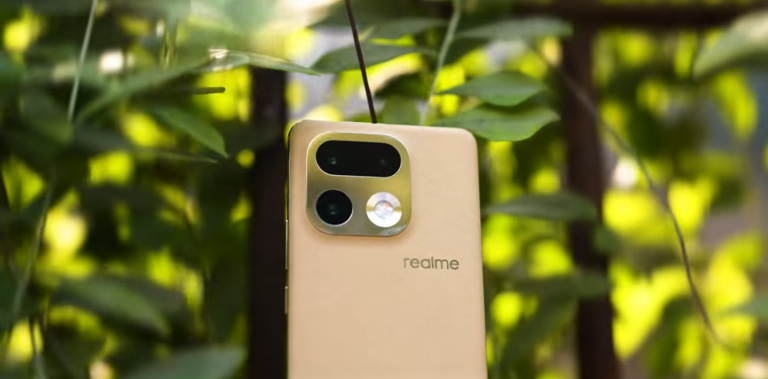
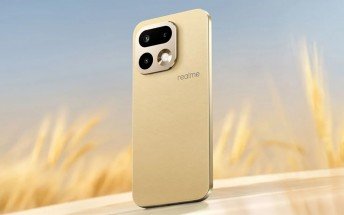
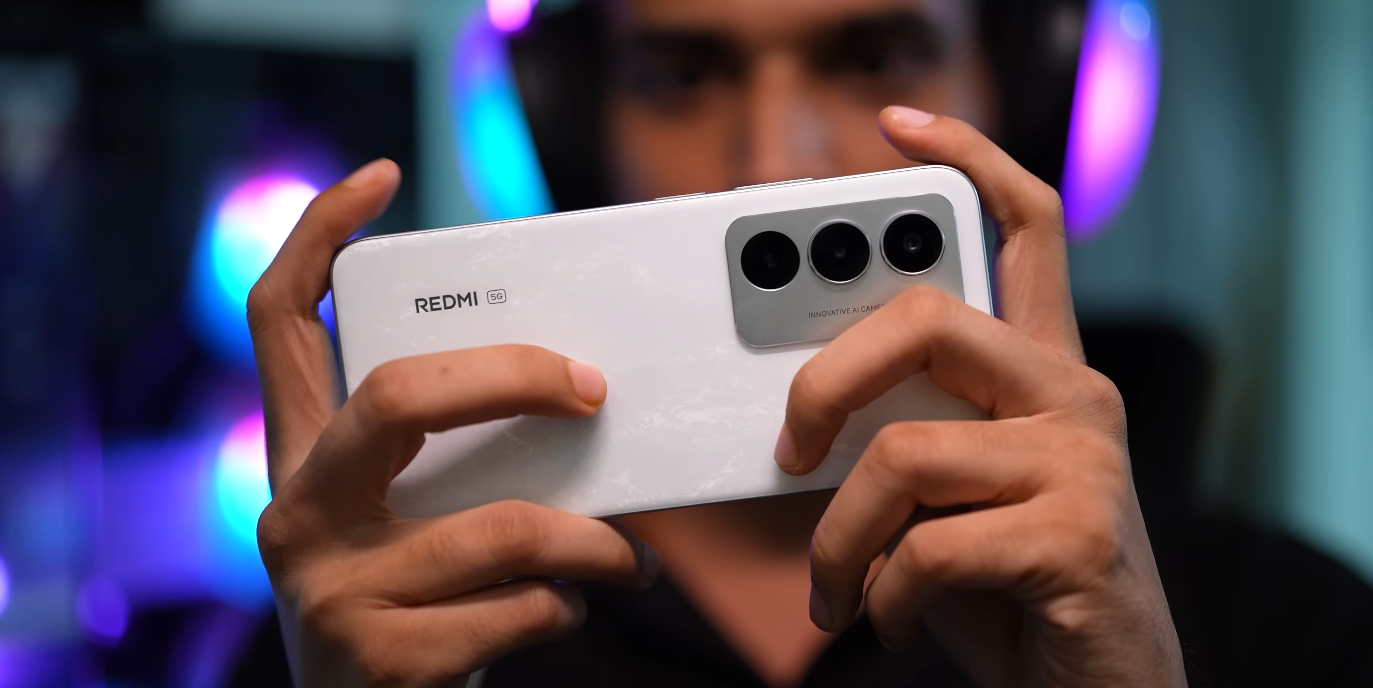
The Redmi 15 offers aggressive value. Xiaomi has packed high refresh rate display, large battery capacity, decent camera hardware and feature-rich software into a budget package. For cost-conscious buyers who want as much phone as possible for their money, Xiaomi is compelling. Its focus is on delivering features rather than premium materials or ultra-long update cycles.
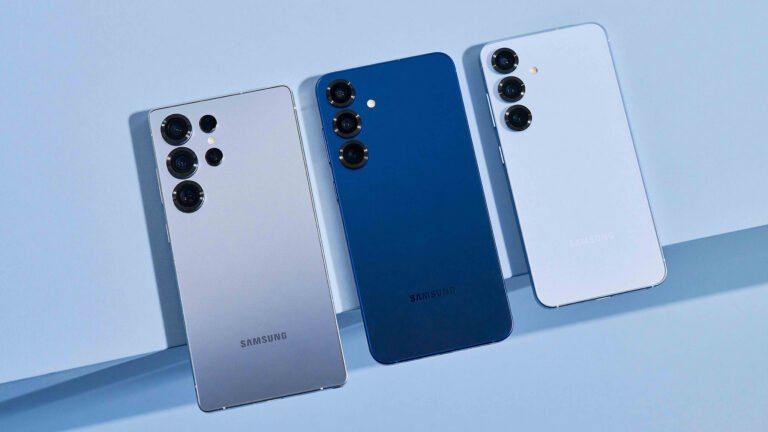
Samsung’s budget flagship approach is different. The brand leverages its strong reputation, established service network in the UK, better build quality and typically stronger software update commitments. A Galaxy A-series device may cost more, but it aims to provide a more premium experience with fewer compromises. That means for users wanting durability, resale value and longer-term support, Samsung often leads.
From a features-for-money perspective, the Redmi 15 wins hands-down if you simply judge specs divided by pounds spent. But from a “which phone will still feel good after two or three years” standpoint, Samsung takes the lead. The difference lies in build quality (materials, finish), display tech (AMOLED vs budget LCD), camera refinement and update lifespan.
Reliability and durability matter. Xiaomi’s budget devices are well engineered, but smaller savings in materials or certification may appear over time—lesser glass protection, plastic frames, fewer upgrades. Samsung invests more in these areas even for mid-tier models. For a buyer who uses the phone hard or expects to keep it for several years, the Samsung brand offers peace of mind.
When it comes to value, however, the Redmi 15 remains hard to beat. For students, secondary phones, travellers or users who upgrade every year or two, the extra cost of the Samsung model may not deliver proportionally more benefit. If your usage is contextual (social media, streaming, moderate apps) and you don’t mind minor trade-offs, Xiaomi is smart.
For UK buyers in particular, service and support networks are important. Samsung has guaranteed parts availability, years of software/security updates and wide service centres. Xiaomi has improved its UK coverage but may still lag slightly in update guarantees or part stock compared with Samsung. If you travel, rely on service and resale value, this becomes significant.
In conclusion: if your priority is best value right now, go Redmi 15. If your priority is long-term support, fewer compromises and stronger brand ecosystem, the Samsung budget flagship is likely the smarter buy. Your personal decision should focus on how long you expect to keep the phone, what you require from cameras and performance, and how important brand reliability is in your usage.