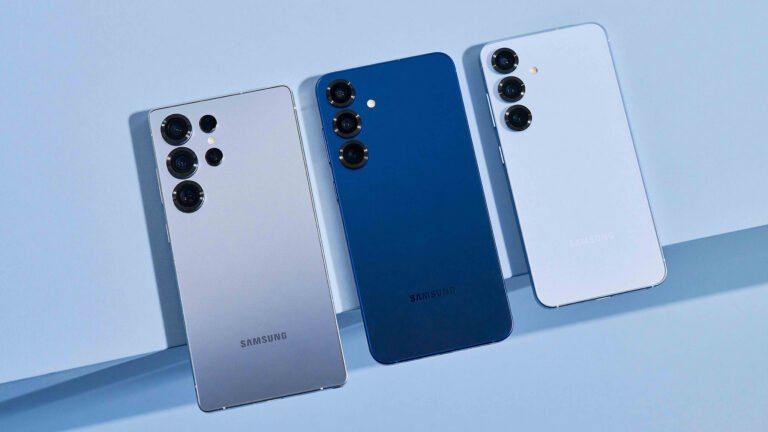
Redmi 15 vs Vivo V-series: budget phone war heats up

The Battle for the Best Budget Smartphone in 2025
The competition in the budget smartphone segment has never been fiercer, and 2025 is shaping up to be a defining year for affordable innovation. Xiaomi’s Redmi 15 and Vivo’s V-series are two of the most discussed names in this space, each offering a distinct approach to value. While Redmi aims to impress with powerful hardware and huge battery life, Vivo continues to focus on camera performance and stylish design. Both brands have raised the bar for what users can expect under a mid-range price tag.
The Redmi 15 grabs attention with a 7,000 mAh silicon-carbon battery, one of the largest in its category. Combined with a 6.9-inch FHD+ display running at 144Hz and powered by the Snapdragon 6s Gen 3 chipset, it’s built for performance and endurance. Xiaomi promises up to two days of battery life and smoother visuals than most rivals, making it ideal for gaming, streaming, and extended usage. The large screen, however, comes at the cost of a heavier build, something compact phone lovers may find less appealing.
In contrast, the Vivo V-series—represented by models like the Vivo V50e and V30—targets users who value aesthetics and camera prowess. The V-series phones typically feature AMOLED displays, sleeker builds, and advanced imaging systems with portrait optimisation and AI enhancements. Vivo’s focus remains on lifestyle features, appealing to younger audiences who prioritise photography and design over raw specifications. The brand’s colour choices and slim profiles help it stand out in the crowded mid-range space.
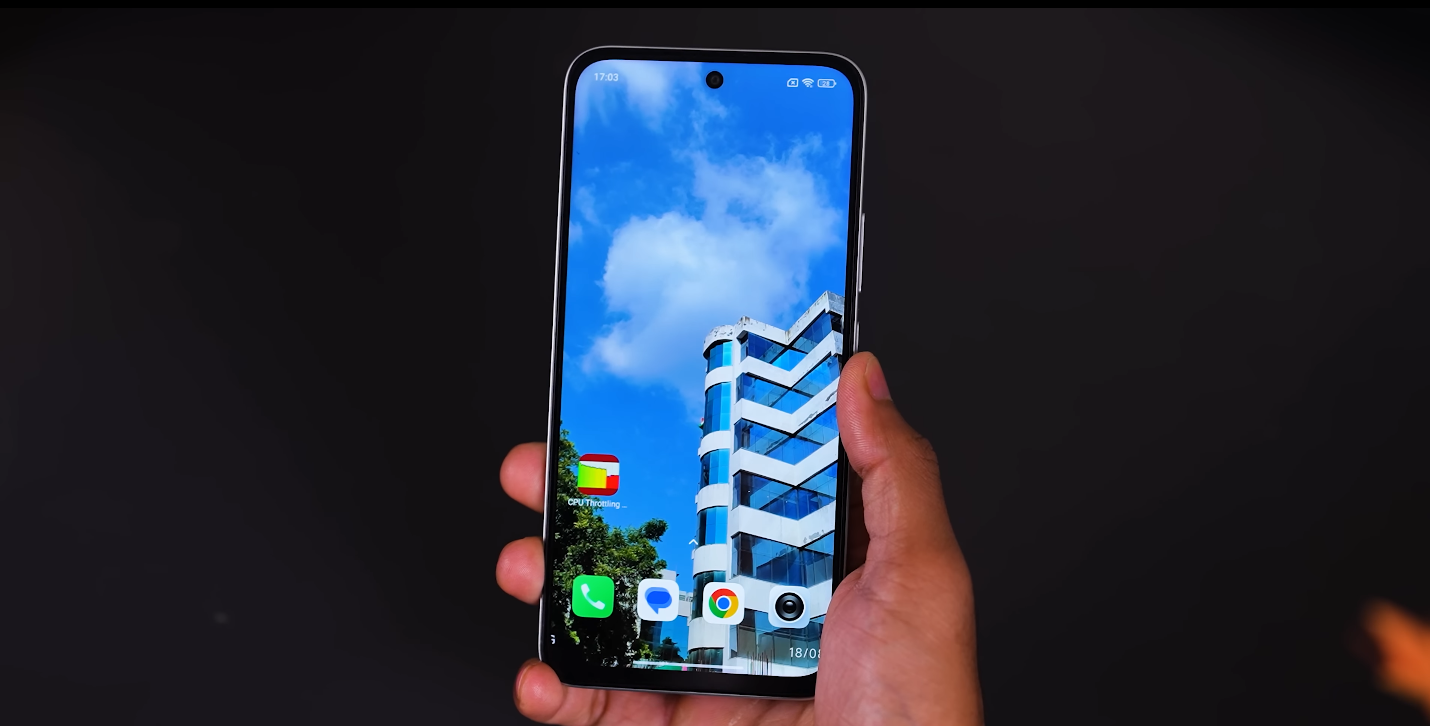
When it comes to battery life, Redmi’s dominance is clear. The 7,000 mAh unit in the Redmi 15 easily outlasts the 4,800–5,000 mAh batteries commonly found in Vivo V-series models. Redmi’s 33W fast charging strikes a balance between speed and safety, ensuring less thermal stress over time. Vivo’s models, meanwhile, charge faster—up to 44W in some versions—but smaller capacities mean they need topping up more often. For users seeking true endurance, Redmi holds a distinct advantage.
Display quality, however, is a tighter contest. Vivo’s AMOLED panels deliver richer contrast and deeper blacks, enhancing overall visual appeal. Redmi, on the other hand, focuses on refresh rate and screen size, offering an ultra-smooth 144Hz display that’s great for gaming and scrolling. It becomes a matter of preference—Vivo’s display is more vibrant and premium, while Redmi’s is bigger and faster.
Performance differences also reflect each brand’s philosophy. The Redmi 15’s Snapdragon 6s Gen 3 offers solid everyday performance with efficient multitasking and gaming. Vivo’s V-series models often rely on comparable Qualcomm or MediaTek chips but optimise them for camera and display responsiveness. Both are capable devices, but Redmi’s larger thermal headroom and battery allow it to sustain heavy workloads longer without throttling.
Camera quality remains Vivo’s stronghold. The V-series continues to outperform most budget rivals in portrait and selfie photography. Its software processing is tuned for skin tone accuracy, edge detection, and night photography. Redmi’s 50 MP primary sensor performs well in daylight but lacks the image refinement and post-processing polish that Vivo consistently delivers. For social media enthusiasts, Vivo maintains an advantage.
In the UK market, both brands are appealing to value-conscious buyers looking for reliable performance without overspending. Redmi offers unmatched stamina, making it ideal for commuters, students, and travellers. Vivo’s V-series suits users who prefer a polished design, reliable cameras, and a premium feel. Both brands have improved their update cycles, but Xiaomi still provides broader software support in most regions.
Price also plays a decisive role. The Redmi 15 is expected to retail around £180–£220, while the Vivo V-series models often start closer to £250 or higher. That gap reflects their different priorities—Xiaomi maximises specs per pound, whereas Vivo balances experience with aesthetics. The final decision depends on what the buyer values most: endurance and power or design and photography.
In conclusion, the Redmi 15 and Vivo V-series represent two different visions of what a great budget smartphone should be. Redmi delivers unmatched hardware and battery value for money, while Vivo focuses on design elegance and imaging excellence. The budget phone war between these two brands highlights how competitive mid-range smartphones have become—and for buyers, that means more choice, better performance, and greater value than ever before.
Also Read: OnePlus 15 accessories launch: cases, chargers & must-have extras