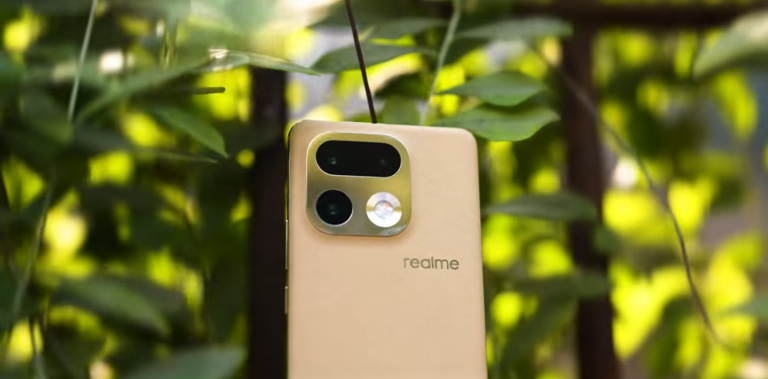
Redmi 15 vs Poco X-series: sibling rivalry or different league?

Comparing Xiaomi’s two power-packed mid-rangers
The Redmi 15 and Poco X-series are both products of Xiaomi’s expanding ecosystem, yet they target slightly different audiences. While Redmi focuses on balanced performance and unbeatable battery life, Poco leans towards speed, gaming, and flagship-like performance at mid-range prices. Despite their family ties, the two brands are clearly built for different purposes.
Starting with design and display, the Redmi 15 features a 6.9-inch LCD panel with a 144Hz refresh rate — impressive for its price point and perfect for users who enjoy a larger viewing experience. The Poco X-series, particularly the X6 and X5 Pro models, uses AMOLED displays with sharper resolution and better colour contrast, giving them a premium edge in visuals and brightness.
Battery capacity is one of Redmi’s biggest selling points. The Redmi 15 packs a huge 7,000 mAh battery that easily outlasts most competitors in its category. It supports 33W fast charging and even offers reverse charging for powering accessories. In comparison, Poco X-series models use 5,000 mAh batteries, which, while smaller, benefit from faster 67W charging and better power optimisation due to their more efficient chipsets.

Performance is where Poco pulls ahead. Redmi 15 uses the Snapdragon 685 processor, focusing on efficiency and steady multitasking. The Poco X5 Pro and X6, however, employ higher-tier chips like the Snapdragon 7s Gen 2 and 778G, providing a noticeable boost in gaming, app loading, and overall speed. This positions Poco as the better choice for users who want raw performance.
When it comes to cameras, Redmi 15’s 50MP main sensor delivers clean and consistent shots, ideal for social media use. Poco’s X-series steps up with 64MP or even 108MP setups, offering richer detail and improved dynamic range. The difference becomes clearer in low light, where Poco’s superior image processing software produces more balanced results.
In terms of connectivity, Poco clearly aims at the future. Most X-series devices support 5G connectivity, while the UK variant of the Redmi 15 still relies on 4G, prioritising affordability over future-proofing. This might not be a deal-breaker for everyone, but users looking for long-term use may lean towards the Poco option.
Software experiences remain similar, with both running MIUI-based interfaces tuned differently for branding. Poco’s interface includes performance modes and gaming enhancements, whereas Redmi offers smoother day-to-day optimisation and better battery management. Both promise regular updates, but Poco tends to receive feature-rich builds slightly earlier.
On durability, Redmi 15 includes IP64 dust and splash resistance, which is reassuring for everyday reliability. Poco X-series phones often feature better build finishes, Gorilla Glass protection, and sturdier mid-frame designs, giving them a more premium feel in the hand.
Price plays a decisive role in separating the two. The Redmi 15’s UK pricing, starting around £159, makes it one of the most affordable large-battery phones available. Poco X-series devices typically start closer to £249, but their added performance and premium hardware justify the difference for users seeking higher specs.
In conclusion, Redmi 15 and Poco X-series are not true rivals despite their shared DNA. Redmi delivers maximum endurance and value, ideal for everyday users and budget-conscious buyers. Poco targets enthusiasts who demand faster chips, better cameras, and 5G connectivity. So while they may be siblings under Xiaomi’s banner, they’re playing in distinctly different leagues — one built for all-day reliability, the other for pure performance.