Redmi 15 vs Samsung Galaxy A-series: Is Xiaomi offering more?
Comparing battery, display, performance and long-term value
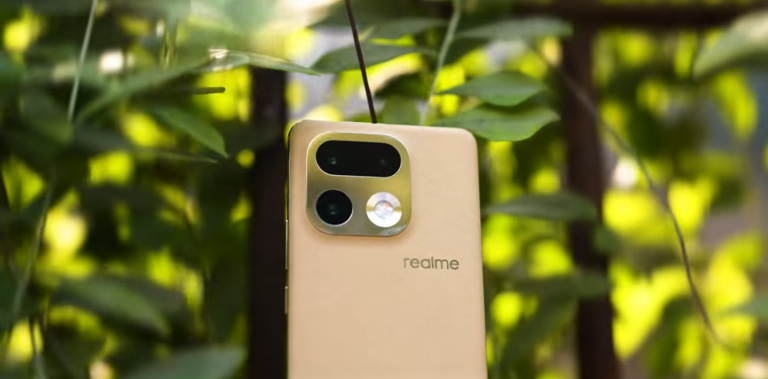
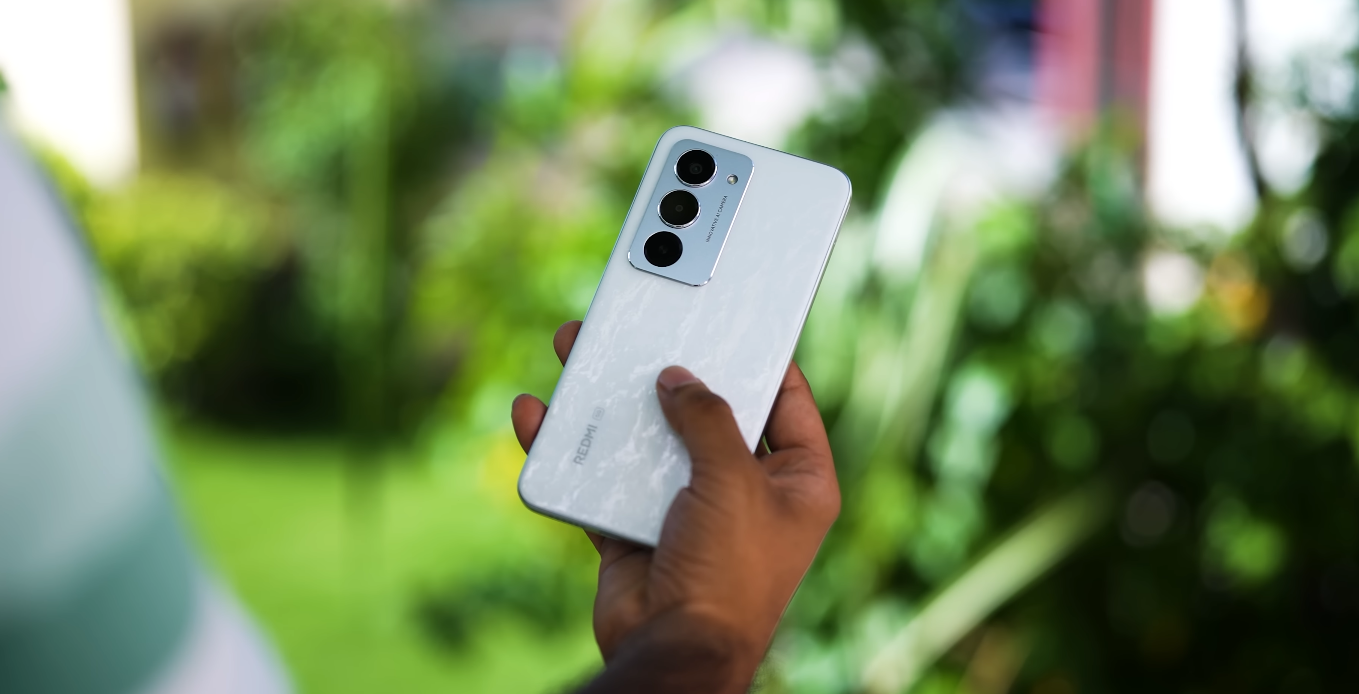
Xiaomi’s Redmi 15 has shaken up the mid-range market by pairing a very large 7,000 mAh battery with a 6.9-inch display and a high 144 Hz refresh rate, specifications rarely seen together at this price point. These headline figures promise endurance and a smooth visual experience, and they form the basis for comparing it directly with Samsung’s Galaxy A-series, which spans several models aimed at mainstream users.
On battery and charging, the Redmi 15 clearly chases raw capacity. Its 7,000 mAh cell and 33 W wired charging give it a clear advantage on paper over many Galaxy A models, which typically use 4,000–5,000 mAh packs. For users who prioritise multi-day usage or heavy screen time, that larger cell means real-world stamina, especially when combined with power-saving software modes.
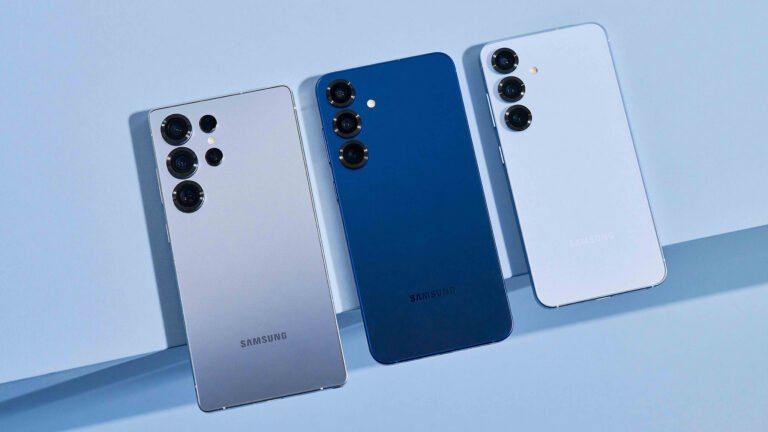
Display technology is where the differences become about quality versus quantity. The Redmi 15’s large 6.9-inch panel at 144 Hz emphasises size and smoothness, attractive to gamers and media consumers. Samsung’s A-series often trades pure size for panel quality, offering Super AMOLED screens on many models that deliver deeper blacks, higher contrast and generally stronger outdoor visibility.
Performance and connectivity split the choice depending on region and variant. The UK Redmi 15 models have been reported with a Snapdragon 4G chipset in some trims, prioritising cost and battery life, whereas many Samsung A-series handsets emphasise 5G support and balanced processors. That means Redmi can offer longer runtime while some A-series phones give you more future-ready cellular connectivity out of the box.
Camera setups on both sides tend to focus on versatility rather than flagship-level optics. Redmi 15 commonly ships with a 50 MP main sensor able to handle day-to-day photography well, while Samsung’s A-series mixes 50 MP mains with additional ultra-wide and macro lenses on select models. In practice, Samsung’s imaging software and AMOLED panel often yield more vivid on-device previews and a slightly more polished final image in varied lighting.
Software support and post-purchase care can sway longer-term value. Samsung has placed renewed emphasis on multi-year software and security updates across many of its non-flagship lines, and a wide service network in the UK adds reassurance for repairs and resale. Xiaomi tends to focus on rapid feature updates and aggressive value pricing, but its update cadence and warranty coverage vary by region and model.
Design and durability factors matter too: Redmi 15’s IP64 dust and splash resistance and robust battery give it practical longevity for everyday knocks, while some A-series models offer higher-grade ingress protection and premium materials on higher trims. Build feel, glass types and chassis rigidity can make a surprising difference to perceived value beyond raw specs.
For price-sensitive buyers the Redmi 15 often represents “more for the money” in terms of headline specs — bigger battery, very high refresh rate and sizeable storage options at a lower cost than many A-series rivals. That value proposition appeals strongly to students, travellers and users who prioritise uptime over brand cachet or absolute camera prowess.
For buyers prioritising long-term software support, 5G connectivity, and display fidelity, a Galaxy A pick may make more sense despite a smaller battery. The Samsung route gives a more balanced, future-proofed ownership experience for those who keep phones longer or who rely on guaranteed OS and security updates.
In short, Xiaomi’s Redmi 15 does offer very compelling hardware where it counts for endurance and smooth visuals, and in many scenarios it gives more raw capability per pound. Samsung’s Galaxy A-series answers with display quality, ecosystem strengths and update commitments that may matter more over time. Your choice depends on whether you value immediate, measurable hardware advantages or a more balanced, long-term smartphone experience.