Redmi 15 camera test: 50MP main sensor, how good is it in low light?
Redmi 15’s 50MP camera faces the real test under dim lighting
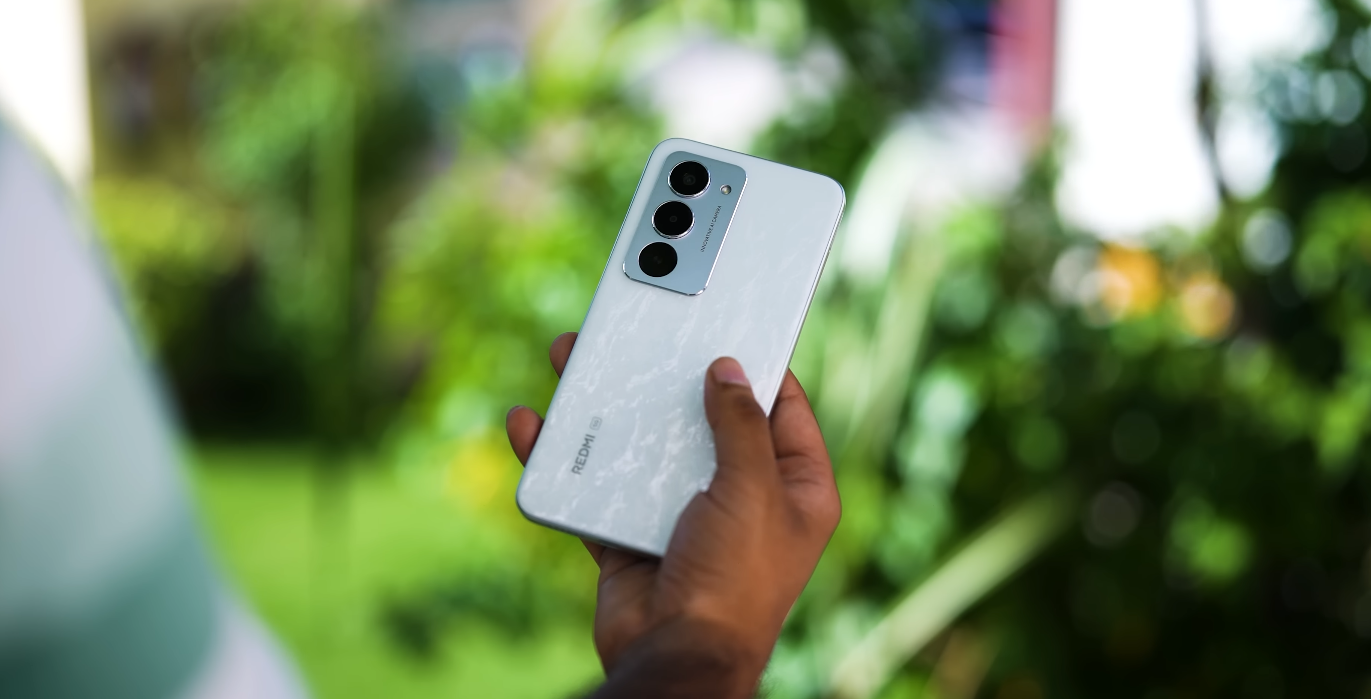
The Redmi 15 has arrived with a 50MP primary camera, aiming to deliver flagship-level photography at a mid-range price. Xiaomi highlights the sensor as one of the main selling points of the phone, promising crisp detail and better night performance. But how well does it actually perform when the lights go down? Early reviews and real-world testing paint a more balanced picture.
In bright daylight, the Redmi 15’s main sensor captures images with excellent sharpness and natural tones. Colours appear vivid without being overly saturated, and dynamic range holds up well for a mid-range phone. The AI camera tuning helps boost contrast, making outdoor shots and landscapes look lively. However, the camera setup remains modest, with just two lenses, meaning there’s limited flexibility compared to triple or quad-camera systems.
The true challenge comes in low-light environments. Under dim indoor lighting, the 50MP sensor tends to introduce visible noise, softening textures and fine details. The phone’s night mode automatically enhances brightness but sometimes overexposes key areas. This results in washed-out highlights, especially around streetlights or illuminated signs. It’s clear that while the night mode improves visibility, it doesn’t fully preserve depth and contrast.
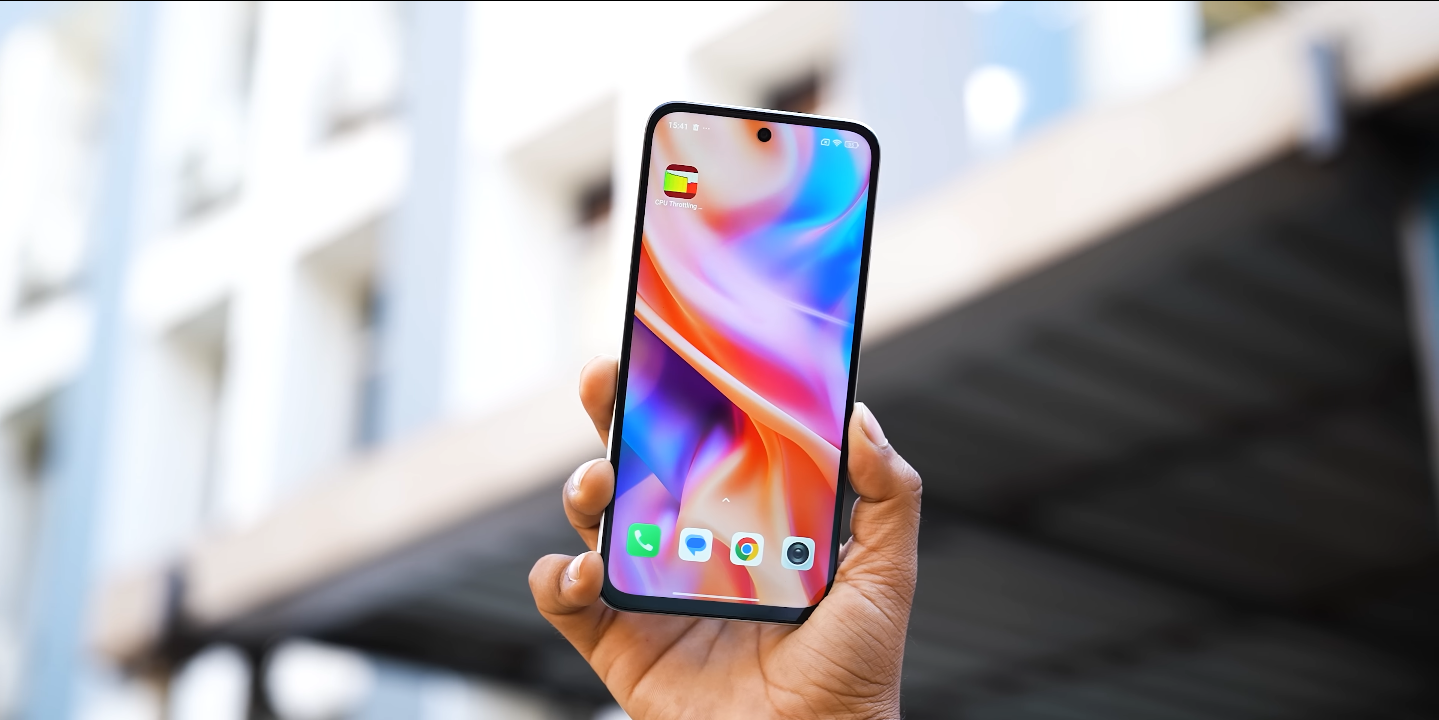
Xiaomi claims the new image processing algorithm helps balance shadows and highlights more effectively. While this is partially true in moderate lighting, the difference becomes less impressive in near-dark situations. Compared with rival models from Samsung or Realme in the same price segment, the Redmi 15’s night photos appear slightly less detailed, with more grain and less accurate colour tones.
Despite these limits, casual users will find the low-light results acceptable for social media and everyday snapshots. The phone captures usable images in restaurants, indoor gatherings, or dim cafés, where lighting is uneven but not extremely dark. The automatic HDR and AI scene detection add some recovery in tricky lighting, keeping faces clear and bright. For users who mainly shoot photos for Instagram or WhatsApp, the results are more than sufficient.
Video recording in low light follows a similar trend. The Redmi 15 supports 1080p at 60fps, but stabilisation struggles under low illumination. Footage tends to look softer, with some jitter in handheld movement. The electronic image stabilisation works decently in daylight, yet noise creeps in under artificial lights. It’s serviceable for casual video clips but not for professional use or vlogging.
During testing, the night mode took around two to three seconds to process each frame, which can cause mild blurring if the phone isn’t perfectly steady. This longer exposure time demands patience and stable hands. Xiaomi has included a handheld night mode that slightly reduces processing time, but results are a mix between brightness and sharpness trade-offs.
Where the Redmi 15 redeems itself is colour accuracy in mixed lighting. Skin tones remain natural, and the AI processing avoids the harsh orange tint often seen in budget smartphones. The LED flash performs evenly and can save close-up shots in near darkness. For portraits, the edge detection is reliable, although finer hair details can appear smoothed out.
In real-world use, UK testers have noted that the camera performs well enough during grey skies and indoor settings typical of British weather. It manages to brighten scenes without introducing excessive glare, though overall sharpness decreases noticeably at night. For typical evening photography, users might need to rely on the dedicated night mode or external lighting for better clarity.
Ultimately, the Redmi 15’s 50MP main sensor delivers dependable performance for its price but does not break new ground in low-light photography. It excels in daylight and indoor lighting but struggles under very dim conditions. For everyday shooting, it’s a reliable companion, offering great results when lighting is fair. However, those seeking professional-grade low-light images may find its limits quickly. The Redmi 15 proves once again that even with advanced sensors, software processing plays a crucial role in real-world camera quality.
Also Read: Xiaomi 17 Pro Max vs Xiaomi 17 Pro: is the Pro Max worth the extra cash?