Xiaomi 17 Pro Max vs Samsung Galaxy Z Fold6: flat flagship vs foldable decision

Choosing between two premium smartphone approaches
The Xiaomi 17 Pro Max and Samsung Galaxy Z Fold6 represent two very different ideas of what a flagship phone should be. One follows the traditional flat premium slab design, focused on delivering high specifications and extended battery life. The other embraces a modern foldable form, offering a device that expands into a small tablet for productivity and entertainment. Choosing between them depends on how you intend to use your phone day to day.
The Xiaomi 17 Pro Max is built around a large flat AMOLED display, offering a high refresh rate and strong brightness levels for visibility indoors and outdoors. Its design prioritises a consistent shape, durability, and comfort in extended use. This approach appeals to users who value simplicity and predictability in a device layout without needing moving parts or hinge mechanisms.
The Galaxy Z Fold6 takes a different approach, featuring both a conventional outer display and a larger inner folding screen. When folded, it behaves like a slightly narrower smartphone. When opened, it becomes closer to a compact tablet. This provides added space for tasks such as multitasking, reading, content creation, or viewing media. It targets users who enjoy having more screen real estate without carrying an additional device.
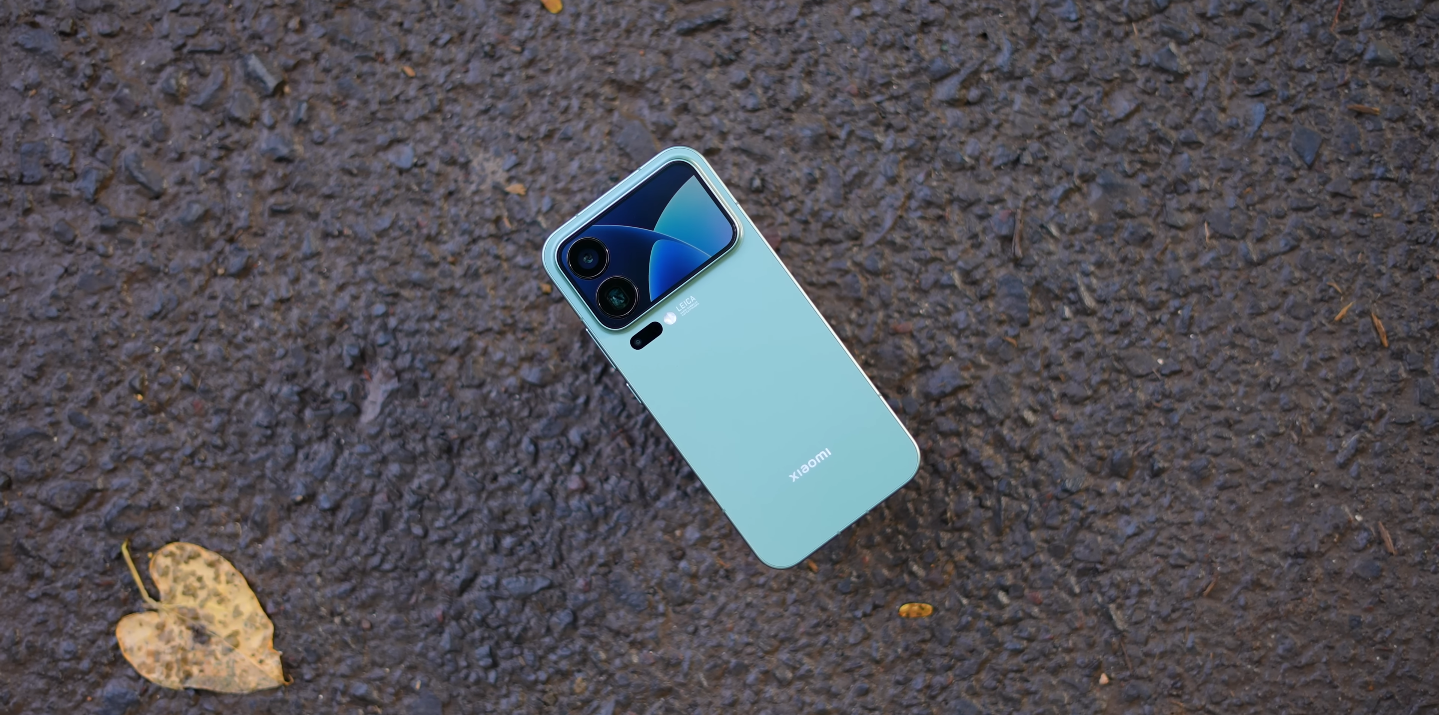
Performance on both devices sits at flagship level. The Xiaomi 17 Pro Max uses one of the latest high-end chipsets in the Snapdragon series, combined with generous memory configurations. This ensures strong performance in gaming, media editing and general navigation. The Galaxy Z Fold6 also uses a powerful Snapdragon processor tuned for Samsung’s foldable system, delivering smooth performance on both screens. Both are capable of handling demanding tasks, though how they use screen space differs significantly.
Battery life is an important differentiating factor. The Xiaomi 17 Pro Max incorporates a notably large battery capacity aimed at providing long-lasting daily usage even with heavy display and performance demands. The Galaxy Z Fold6’s battery is smaller due to space constraints within the foldable chassis. While it manages daily use well, extended sessions on the large inner display will draw more power. Users who prioritise endurance without frequent charging may lean toward Xiaomi’s offering.
The camera systems on both phones aim to deliver premium results. The Xiaomi 17 Pro Max includes a high-resolution main lens and a telephoto system that supports meaningful optical zoom performance. This makes it suitable for users who take photos of distant subjects or enjoy framing detail-rich images. The Galaxy Z Fold6 focuses on reliable everyday photography with balanced processing and image consistency, though its hardware is tuned more for versatility than extreme optical reach.
Durability considerations also play a role. The Xiaomi 17 Pro Max uses a traditional non-folding structure, which generally provides greater resistance to repeated handling stresses. The Galaxy Z Fold6 includes a hinge and folding display panel that are engineered to withstand daily usage, but require more care than a conventional slab phone. Users must decide whether the added functionality of a foldable outweighs the additional caution required in handling.
Software experience shapes how each phone feels in everyday use. Xiaomi integrates its custom interface with extensive personalisation options, offering control over layout, transitions and performance mode adjustments. The Fold6 includes Samsung’s multitasking features, enhanced split-screen modes and drag-and-drop capabilities that make effective use of its expanded display. Productivity-focused users may appreciate these interface enhancements.
Portability and ergonomics differ as well. The Xiaomi 17 Pro Max is a large phone, but its shape is familiar and consistent to hold or store in a pocket. The Fold6, when folded, has a more compact width but greater thickness. This means its comfort depends on how often the user opens the device and how they hold it during use. People who often use one hand may find the folded shape convenient, while others may prefer a uniform flat profile.
The purchase decision ultimately depends on priorities. The Xiaomi 17 Pro Max is a strong choice for users who want maximum specifications, long battery life, and straightforward long-term durability. It suits those who want a powerful flagship that fits established usage habits. The Samsung Galaxy Z Fold6 is best for users who value flexibility, multitasking, and larger screen workspace within a single device. It suits those who often move between entertainment and productivity on the go.
In summary, the Xiaomi 17 Pro Max offers flagship value in a familiar and proven format, while the Galaxy Z Fold6 offers versatility through a foldable display design. Both devices deliver strong performance, capable cameras and polished software experiences, yet the form factor difference remains the defining factor. The decision rests on whether you prefer the reliability of a flat flagship or the adaptive experience of a foldable device.