Xiaomi 17 Pro Max vs Samsung A-series: premium vs budget flagship
Comparing Xiaomi’s powerhouse flagship with Samsung’s value-focused A-series
The smartphone market in 2025 continues to blur the lines between flagship and budget devices, with brands pushing performance and features into every price tier. The Xiaomi 17 Pro Max and Samsung’s latest A-series models, such as the Galaxy A56 5G, highlight this divide — one representing cutting-edge innovation, the other offering exceptional value. But how do they truly compare?
Xiaomi’s 17 Pro Max stands tall as a premium flagship built for users who want maximum power, style, and features. Launched in late 2025, it packs the Qualcomm Snapdragon 8 Elite Gen 5 processor, a 6.9-inch 2K LTPO AMOLED display with a 120Hz refresh rate, and a huge 7,500mAh battery supporting 100W wired and 50W wireless charging. It’s also equipped with a triple 50MP camera setup that includes a 5x telephoto lens, delivering professional-grade photography performance.
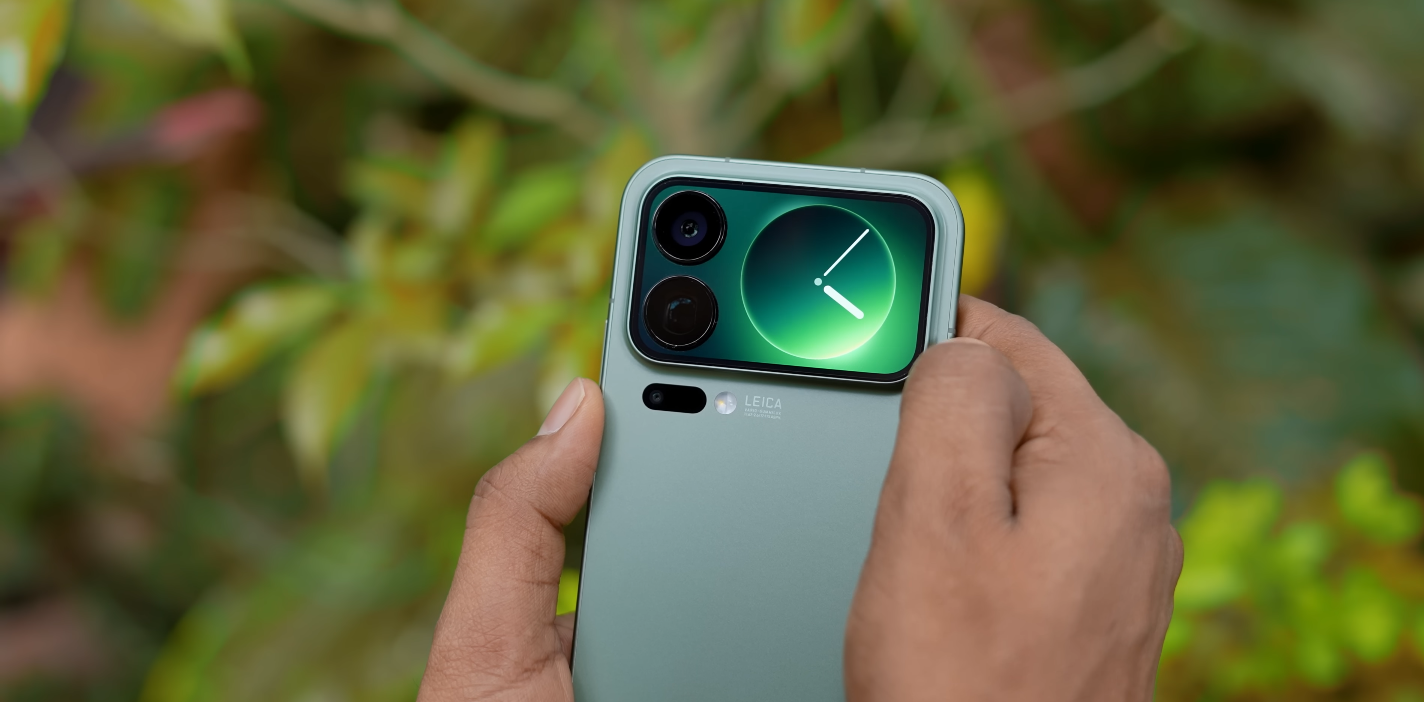
One of its most distinctive features is the secondary rear “Dynamic Back Display,” a small screen built into the camera module. This allows users to view notifications, take selfies using the main cameras, and even customize widgets. It’s a luxury feature that emphasizes Xiaomi’s focus on innovation and style. Combined with its premium materials and ultra-thin bezels, the 17 Pro Max embodies the feel of a true top-tier smartphone.

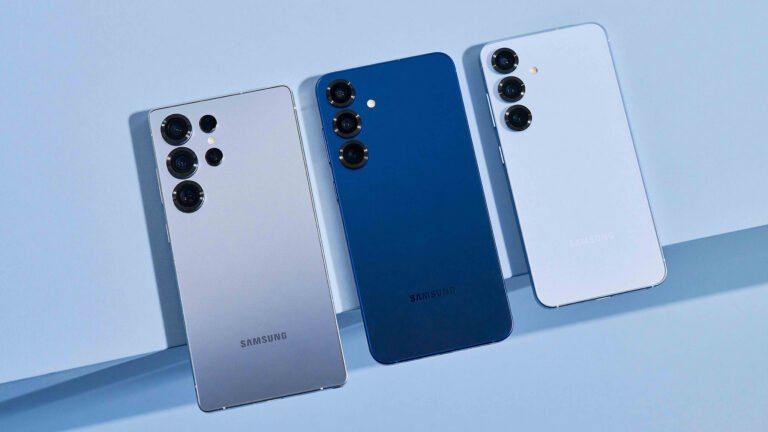
Samsung’s Galaxy A-series, meanwhile, targets users seeking flagship-like experiences at more affordable prices. The latest Galaxy A56 5G is a perfect example, offering a 6.7-inch Full HD+ Super AMOLED screen with 120Hz refresh, a capable Exynos 1580 processor, and a reliable 5,000mAh battery with 45W fast charging. It brings the smooth performance and visual quality expected from Samsung but without the extravagant cost of its S-series counterparts.
Camera performance is another area that separates the two. While the Galaxy A56 offers a respectable triple-lens setup with a 50MP main sensor, it lacks the advanced telephoto zoom and larger sensor sizes found in the Xiaomi 17 Pro Max. Samsung’s software optimization ensures bright and balanced photos, but Xiaomi’s flagship delivers greater detail and versatility, especially in low light and zoom conditions.
Battery life and charging speed are also areas where Xiaomi dominates. The 7,500mAh battery in the 17 Pro Max easily outlasts most phones on the market, while its 100W charging can power the device to full in under 30 minutes. In comparison, Samsung’s 45W charging is quick but not revolutionary. However, the A56’s smaller battery size and power-efficient chip still make it dependable for all-day use.
Where Samsung maintains a strong advantage is software and after-sales support. The A-series receives consistent One UI updates, long-term Android upgrades, and wide carrier compatibility across the UK and Europe. Xiaomi has made progress with its HyperOS platform, but Samsung’s reputation for reliability and support still appeals to mainstream consumers.
In terms of price, the difference is significant. The Xiaomi 17 Pro Max sits firmly in the premium bracket, competing with top-tier phones like the iPhone 17 Pro and Galaxy S25 Ultra. The Galaxy A56, on the other hand, delivers a similar design aesthetic, strong everyday performance, and flagship-level display quality at nearly half the price. It’s an appealing option for users who want great performance without breaking the bank.
Ultimately, choosing between the Xiaomi 17 Pro Max and Samsung’s A-series depends on what you value most. The 17 Pro Max is for enthusiasts who demand the best cameras, performance, and design innovation, while the A56 caters to practical users seeking balanced performance and long-term value.
In conclusion, Xiaomi’s 17 Pro Max represents the premium edge of smartphone technology, offering bold innovation and top-tier specs. Samsung’s A-series, however, proves that you don’t need to spend flagship money to enjoy a premium experience. Both excel in their categories — one pushing boundaries, the other redefining value for money.