Xiaomi 17 Pro Max versus OnePlus 15: flagship showdown for less

Comparing two leading premium smartphone contenders
The Xiaomi 17 Pro Max and OnePlus 15 represent two major flagship approaches that aim to provide high-end performance without crossing into the most expensive pricing tiers. Both brands have built reputations for challenging established competitors with strong hardware, refined software experiences, and attention to user needs. This comparison looks at where each device stands in design, display, performance, cameras, battery life, and overall value expectations based on official announcements and confirmed feature directions.
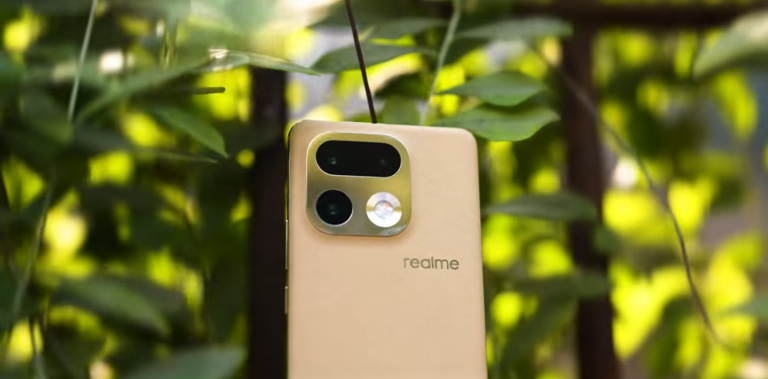
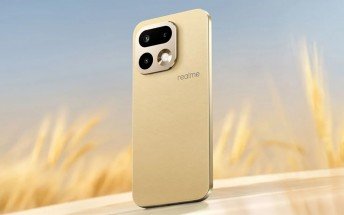
Xiaomi’s 17 Pro Max continues the company’s trend of emphasising large displays and premium build materials. It has been highlighted with a sizeable AMOLED panel using LTPO technology to support dynamic refresh rates, enabling smoother performance when needed and improved power efficiency in everyday use. The large screen size is particularly suited to users who prioritise media viewing, multitasking, and an immersive smartphone experience. Its design language aligns with Xiaomi’s current flagship identity, prioritising symmetry and a polished, premium feel.
The OnePlus 15, meanwhile, retains a strong focus on balance. OnePlus has consistently positioned its flagship devices as fast, responsive, and clean in both software and hardware execution. The display is expected to use LTPO AMOLED technology as well, supporting high refresh rates for smoother scrolling and gaming. OnePlus typically tunes its displays for natural colour output, which appeals to users who prefer accuracy and consistency over heightened saturation. The handset aims to stay comfortable in the hand whilst still offering a visually expansive experience.
Performance is a central consideration in flagship smartphones, and both models are aligned with the latest generation of high-end chipsets from Qualcomm. This ensures strong CPU and GPU capabilities for both daily usage and heavier workloads such as gaming and creative applications. Xiaomi tends to emphasise thermal efficiency and long-duration performance, while OnePlus often highlights responsiveness and system-level speed. Both approaches deliver reliable performance, though users may notice slight differences in how each brand manages sustained processing tasks.
Camera systems remain a key area of differentiation among modern flagship devices. The Xiaomi 17 Pro Max has been shown with a multi-camera array that includes a focus on telephoto zoom and improved low-light image processing. Xiaomi’s camera tuning has recently leaned towards vibrant output with enhanced dynamic range. The OnePlus 15 similarly features a multi-camera setup with an emphasis on clarity and natural detail. OnePlus has refined its imaging pipeline over recent generations, working to maintain sharpness and consistent tone without excessive post-processing.
Battery life and charging behaviour also shape user experience. A larger display typically requires careful power management, and Xiaomi’s use of LTPO technology supports this by reducing refresh rate when static content is shown. OnePlus devices have historically included fast charging technology that aims to reduce charging time significantly. Both brands are attentive to thermal control during charging to maintain long-term battery health. In daily usage, users can expect reliable all-day endurance from both models under mixed workloads.
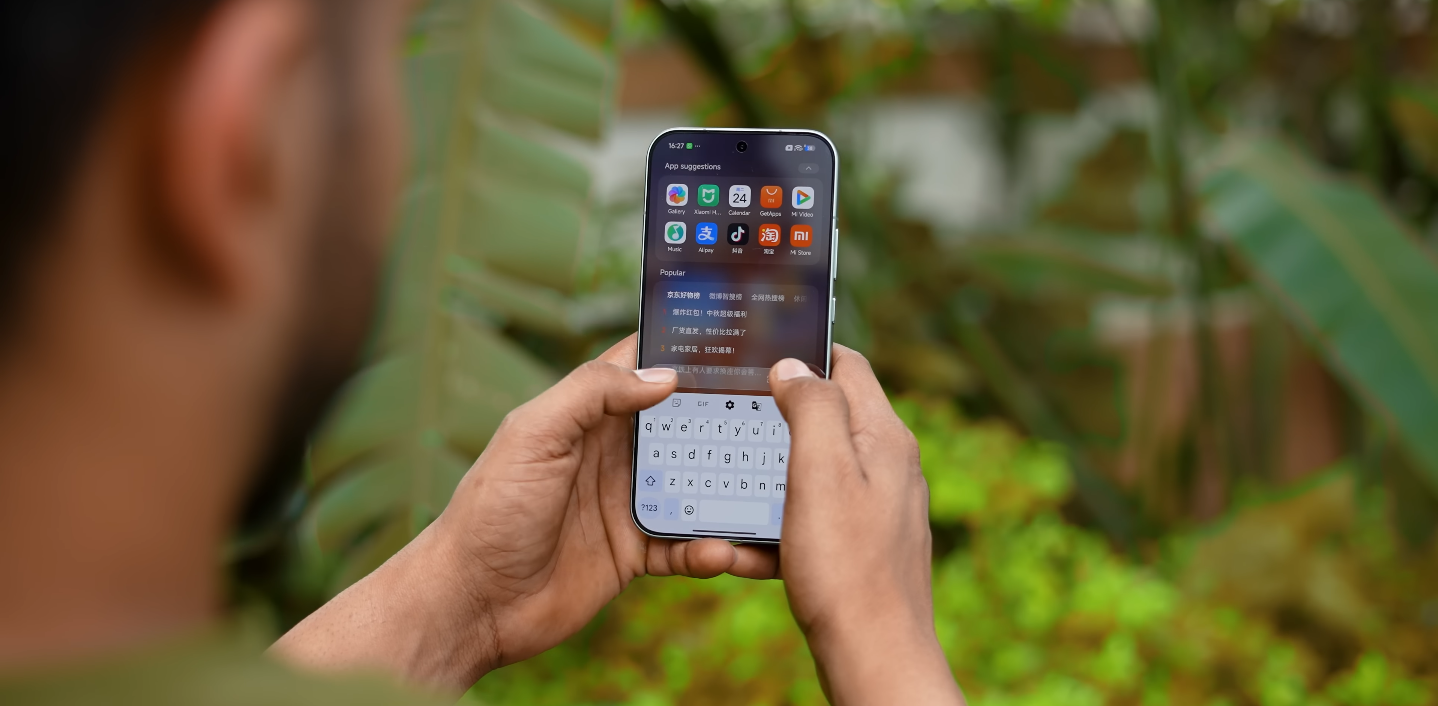
Software approach often influences how “premium” a device feels in long-term use. Xiaomi’s interface provides extensive customisation options, system-level features, and deep device integration. It is suited to users who enjoy tailoring their smartphone experience. OnePlus continues to prioritise a lighter interface, offering a cleaner layout with smoother interaction and fewer pre-installed applications. The difference here largely comes down to personal preference regarding control versus simplicity.
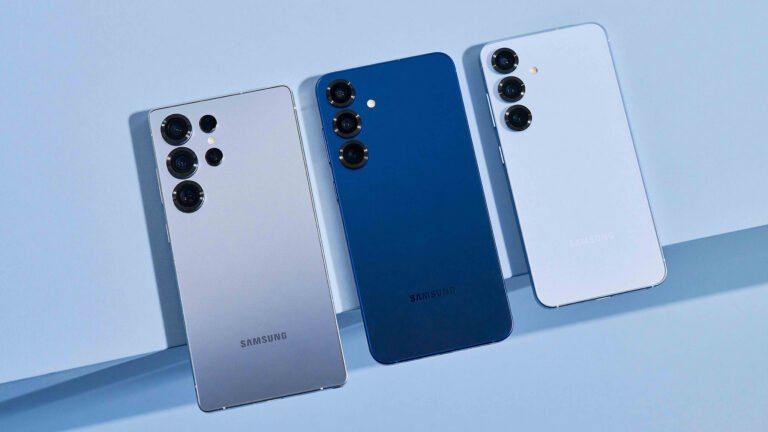
Build quality and ergonomics matter particularly when comparing large smartphones. The Xiaomi 17 Pro Max’s larger frame suits those who appreciate a device that can double as a primary entertainment screen. The OnePlus 15 maintains a slightly more compact form while still delivering a flagship presence, appealing to users who want performance without excessive weight or bulk. Both devices use high-quality materials and refined finishes intended to reinforce a premium aesthetic.
When choosing between the Xiaomi 17 Pro Max and OnePlus 15, it often comes down to user priorities. Those who favour a larger display and maximal visual space may lean towards Xiaomi. Users who prefer balance, responsive interaction, and a cleaner software feel may gravitate to OnePlus. Camera preferences may also influence the decision depending on whether one prioritises vivid output or more natural colour and texture representation.
In summary, both models position themselves as strong flagship options without reaching the very top of the price spectrum. They offer high-end displays, strong performance, modern camera systems, and refined user experiences. The best choice depends on whether size, software style, camera personality, or interface philosophy matters most to the individual.
Also Read: Redmi K90 Pro Max hidden costs: customs, warranty, software updates