Xiaomi 17 Pro Max display review: 6.9″ LTPO AMOLED at 120Hz – premium feel?
Evaluating the flagship display experience
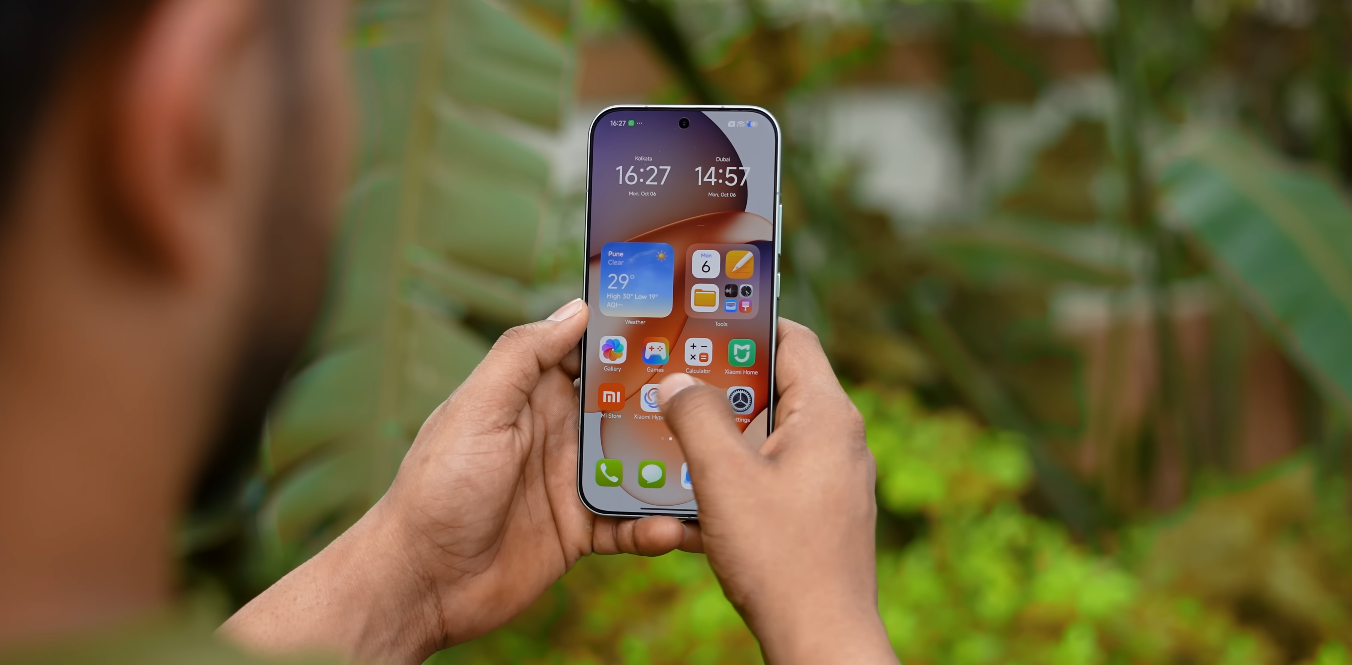
The Xiaomi 17 Pro Max has drawn attention primarily because of its display proposition, which positions it among the more premium large-screen flagships. Xiaomi has highlighted a 6.9-inch LTPO AMOLED panel with a 120Hz refresh rate as a central feature. This suggests a focus on responsiveness, clarity, and energy efficiency, elements that are now standard expectations in premium devices.
A 6.9-inch display places the phone in the category of oversized smartphones, appealing to users who prefer expansive visual real estate for streaming, browsing, and productivity. The use of AMOLED technology typically ensures deep blacks and strong contrast, while LTPO enables dynamic refresh rate scaling. This means the device can shift between lower and higher refresh rates depending on content, conserving power without compromising visual smoothness.
The 120Hz refresh rate is particularly relevant for tasks involving motion, such as scrolling through long pages or fast-paced gaming. Higher refresh rates reduce perceived blur and make interactions feel more fluid. On a larger screen, this smoothness becomes more noticeable, contributing to an impression of refinement and performance responsiveness.
Xiaomi has also emphasised improvements in brightness control and colour accuracy, referencing the use of advanced luminance materials. These enhancements generally allow for better outdoor readability and reduced colour shift at different viewing angles. For users frequently using their phone in varied lighting conditions, consistency in brightness and clarity is an important factor.
A flat screen design has been noted in early product visuals, contrasting with the curved displays used in some previous flagship models. A flat panel tends to reduce accidental touch input and can feel more practical for users who value grip stability and direct screen interaction. Additionally, flat displays often provide a more neutral look, which can appeal to those who prefer a clean aesthetic.
The large panel size naturally supports multitasking, split-screen use, and extended reading sessions. For users who rely on their device as a primary media or work companion, a 6.9-inch display creates space for immersive engagement. However, it also means the device may be less suitable for one-handed use, and those prioritising compact form factors may find the size challenging.
Energy efficiency is an important consideration with such a large screen. LTPO technology plays a key role here, allowing the phone to adjust refresh rate down to lower values when displaying static or low-motion content. In practical terms, this can translate to sustained battery performance, especially during long use sessions. Without this adjustment, a large panel at 120Hz would likely result in faster battery drain.
Colour calibration and tone reproduction are central to perceived display quality. Xiaomi has worked in recent generations to refine default colour profiles, offering modes that range from natural to vivid. This variety enables users to tune the display to their preference, whether they prioritise cinematic contrast or accurate shade representation for design and editing tasks.
One area of continued interest is outdoor visibility. Large OLED screens with high peak brightness generally handle daylight conditions well, and Xiaomi has discussed improvements in maximum luminance output in recent product cycles. Real-world performance often depends on automatic brightness algorithms and anti-reflective coatings, aspects that prospective users typically evaluate over time.
Overall, the display on the Xiaomi 17 Pro Max is positioned as a core selling point, bringing together size, refresh flexibility, AMOLED quality, and a flat, practical layout. For users seeking a premium viewing and interaction experience, this configuration aims to deliver a sense of high-end refinement. The final impression will depend on personal preference regarding device size, but as a flagship display offering, it stands aligned with expectations of the top segment.