Redmi K90 Pro Max user interface: MIUI/HyperOS tweaks and UK localisation
How Xiaomi refined the user experience for UK users
The Redmi K90 Pro Max runs on Xiaomi’s latest HyperOS, marking a major shift from the company’s long-running MIUI interface. This update brings smoother animations, tighter system integration, and improved localisation for international markets, including the UK. The result is a more refined, stable, and intuitive user experience that feels closer to stock Android while maintaining Xiaomi’s signature features.
HyperOS is built on Android 16 and introduces over a hundred system-level improvements. Xiaomi has focused on speed and fluidity, ensuring faster app transitions and reduced background load times. The interface now uses adaptive performance tuning to optimise resources based on user habits, giving the system a noticeably snappier feel compared to older Redmi devices.
Visually, the user interface has been simplified. Icons are cleaner, menus have been reorganised for easier navigation, and notifications are less cluttered. Widgets have received a major upgrade, allowing more customisation and dynamic content on the home screen. For users coming from MIUI, the difference is immediately visible — HyperOS feels modern, minimal, and responsive.
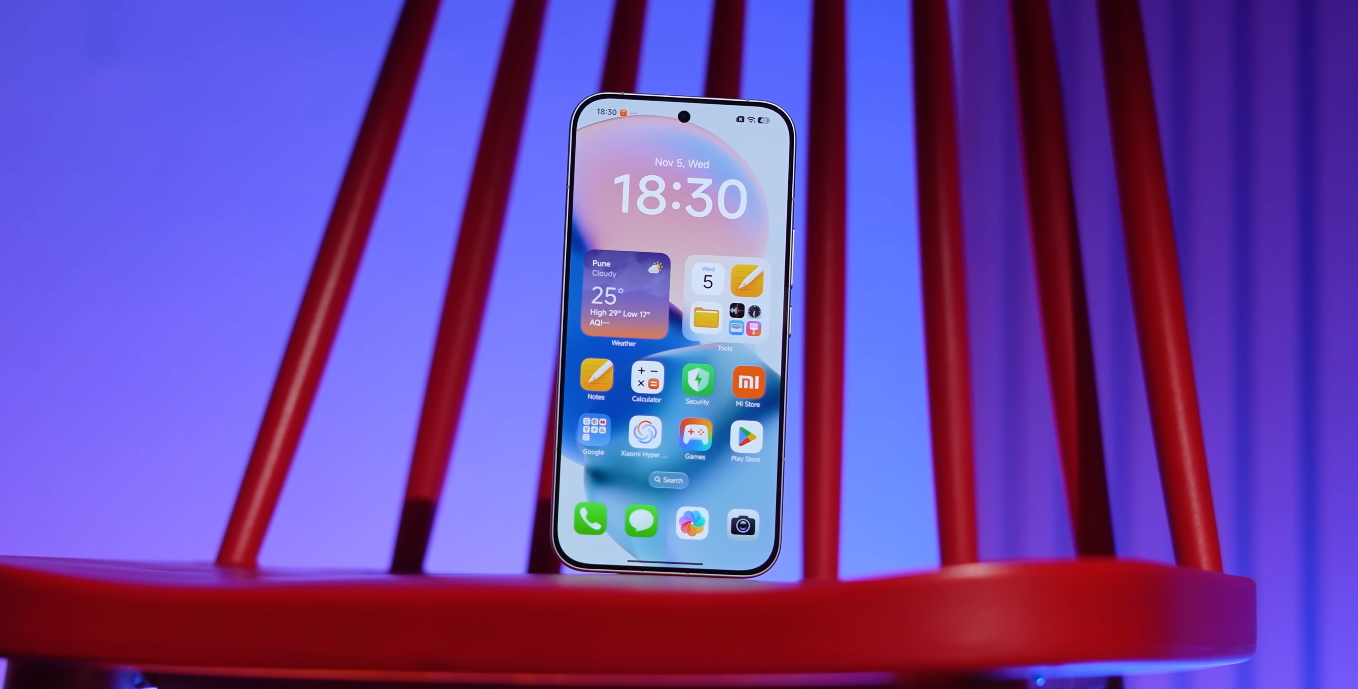
Multitasking has also improved significantly. Floating windows, split-screen functionality, and a redesigned task manager make switching between apps smoother. Xiaomi has optimised memory handling to allow heavy apps, like video editors and games, to remain open in the background without refresh delays. These tweaks make the K90 Pro Max one of the most efficient Redmi phones yet.
For UK users, localisation has been a key focus. The HyperOS global version comes fully optimised for UK English and includes region-specific features such as automatic time zone detection, UK-based weather data, and support for local financial apps and Google Pay. The system also ensures compatibility with all major UK networks and 5G bands right out of the box.
Another important aspect is Xiaomi’s emphasis on privacy and permissions. The new control centre allows users to monitor app access more transparently, and system permissions can be fine-tuned easily. HyperOS now provides clearer prompts and visual warnings when apps access sensitive information, matching privacy standards expected in the UK market.
Users who have tested early UK import models report noticeably faster animations and fewer bugs compared to MIUI 15. Xiaomi’s AI-backed optimisation engine also learns user behaviour, pre-loading frequently used apps and suggesting settings based on routines. This results in faster daily interactions and lower overall power consumption.
HyperOS also integrates more seamlessly with other Xiaomi devices. Smart connectivity allows quick pairing with tablets, laptops, and wearables. The cross-device file transfer feature now works faster and more reliably, improving workflow for users who operate across multiple Xiaomi platforms.
In terms of updates, Xiaomi has promised at least four years of major OS upgrades and five years of security patches for the K90 Pro Max. This aligns with what most UK flagship buyers expect and brings the brand closer to Samsung and Google in long-term software support.
Compared to MIUI, the overall system experience on the K90 Pro Max feels much lighter and more balanced. Animations are smooth, layout transitions are faster, and the software rarely lags even under heavy multitasking. For UK consumers, these refinements make the device a strong daily driver without the quirks that earlier Redmi models occasionally faced.
In short, the Redmi K90 Pro Max delivers a polished, efficient, and locally optimised software experience. HyperOS has matured into a sleek, high-performance interface designed to meet international expectations, and its UK-specific localisation ensures the phone feels truly ready for British users from day one.