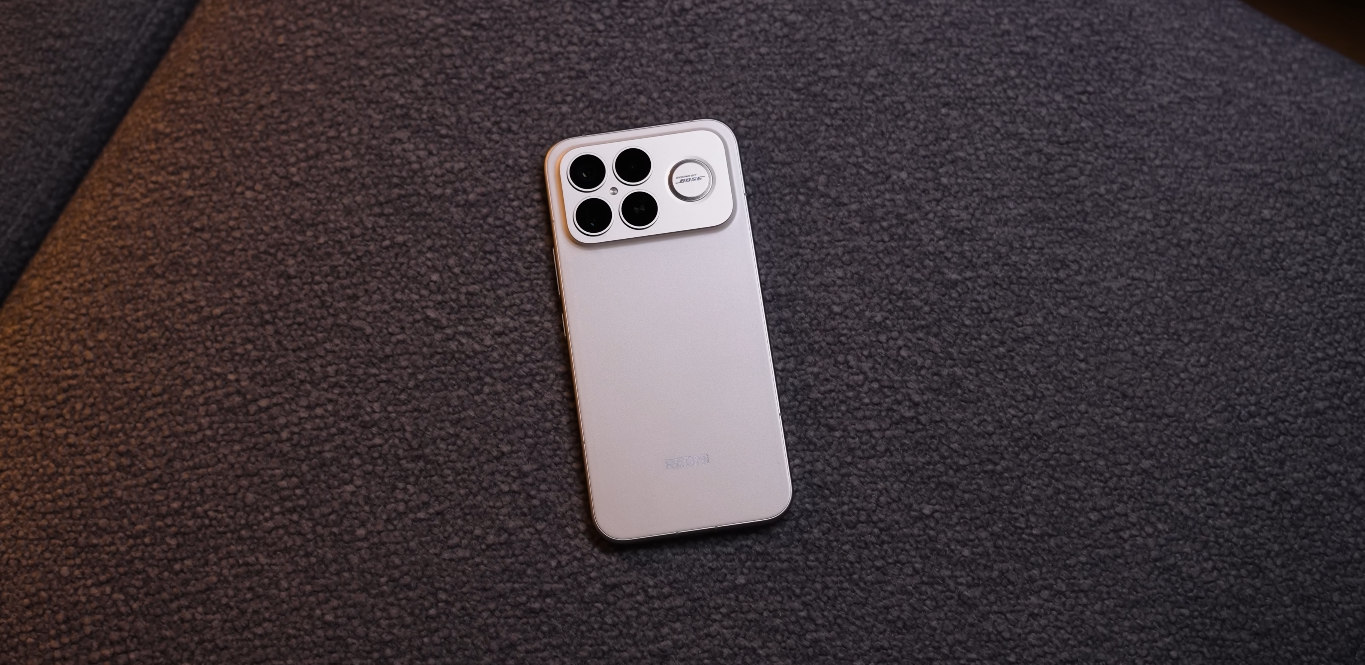
Redmi K90 Pro Max UK pricing leaked: under £450 for premium specs
UK value expectations rise on aggressive Xiaomi flagship positioning
Xiaomi has consistently used the Redmi K family to push price-to-performance value in its domestic launches, and UK readers often monitor those reveal cycles to understand how future models might land when they eventually reach western channels. The Redmi K90 Pro Max name has now been attached to early indicative pricing chatter, and this is blending with the broader narrative that Xiaomi is willing to deliver upper-tier components at a noticeably lower price than most rivals in similar performance brackets. The price claim that has circulated is under £450, and whether or not this holds in any UK retail scenario, the expectation itself shows how aggressively the brand is now perceived in the upper segment.
In a UK context, value positioning is not only about the headline figure, but about relative comparison to devices that traditionally start far higher. During the last two annual cycles, Xiaomi and sub-brands have launched multiple devices in China with specifications comparable to UK devices that start in the £700 to £1,000 tier. The company’s approach is to deliver high silicon performance and differentiated battery strategies while maintaining bill-of-materials discipline. UK readers are increasingly familiar with this pattern, because several China-first Xiaomi releases have later appeared in Europe with overall value that undercuts incumbents.
There is also a timing dynamic when interpreting any pricing signal. Xiaomi typically reveals domestic pricing first, and overseas structures follow later. When UK audiences see indicative figures, the first question is whether the figure relates to early domestic launch numbers or actual retail figures that include UK VAT and channel costs. Historically, Xiaomi’s UK pricing has had a noticeable premium over the domestic sticker because of tax, certification, warranties, and local distribution. That context is key, because UK final retail numbers rarely match raw domestic conversion.

Even so, the conversation around a possible sub £450 positioning in the UK illustrates how tightly UK readers now associate Redmi K Pro tier products with near-flagship performance at conspicuously lower outlay. The pattern that has been visible in the last few Xiaomi release cycles is that these models have been built with high density batteries, efficient thermals, and camera platforms that try to approach genuine flagship behaviour rather than merely replicating mid range tiers. That is where the pricing narrative becomes even more central, because the value argument is clearest when premium-leaning components align with a lower retail tier.
What is confirmed officially is that Xiaomi continues to develop high density silicon-carbon based cell architectures, and the company has presented its latest energy density work to demonstrate size-to-capacity advantage. This is relevant because UK value buyers view battery consistency and usable longevity as one of the highest return areas in consumer benefit. Xiaomi’s public technical communications indicate that the vendor’s next steps in this cell technology remain central to its higher tier product strategy, so any model that sits at the top of a Redmi K generation would be expected to integrate those efficiency gains.
Chipset expectations are also framed by the company’s pattern. Each K generation has used top silicon at the time of release, and this has shaped the flagship-for-less persona. When UK readers see pricing chatter below £500, they associate it with that same pattern of top tier performance layouts without luxury mark-up. Even if final UK numbers are higher after tax and distribution, the principle stands: aggressive performance for a lower price category remains an established Xiaomi strategy.
In the UK purchasing environment, a sub £450 conversation also intersects with how buyers use devices across work, commuting and travel. The blend of higher efficiency batteries and stable top tier silicon has repeatedly been described by UK users as more valuable than minor gains in synthetic camera metrics or display contrast ratios. From a price sensitivity perspective, this is why the under £450 chatter has captured attention: the psychological delta between that bracket and upper premium bands is large.
It is also relevant that UK consumers have shown strong adoption of SIM-only deals and mid range models that punch above their price. This behaviour amplifies the appeal of a price segment that delivers flagship leaning performance. If a top tier Redmi K series phone attaches to that band, it could shape expectations across other Android brands in the same range and potentially put pressure on incumbent premium players.
Regardless of final UK retail confirmation, the broader message is that Xiaomi is now seen by UK audiences as a vendor willing to bring advanced cell platforms, high compute performance and endurance-minded firmware closer to mainstream price levels. That is what makes the current pricing conversation compelling for the UK market, because it focuses on sustainable value rather than luxury signalling.
The result is that the sub £450 figure has become a focal point for UK readers because it encapsulates the perceived Xiaomi strategy over the last few cycles: premium component logic, rationalised bill-of-materials, and retail positioning that rewards efficiency rather than exclusivity. Even after UK taxes and channels do their work, the uplift from the indicative figure may still leave the device positioned well below the upper flagship norms, and that is the part that UK value-focused readers care about most.