Galaxy M17 5G environmental credentials: packaging & longevity
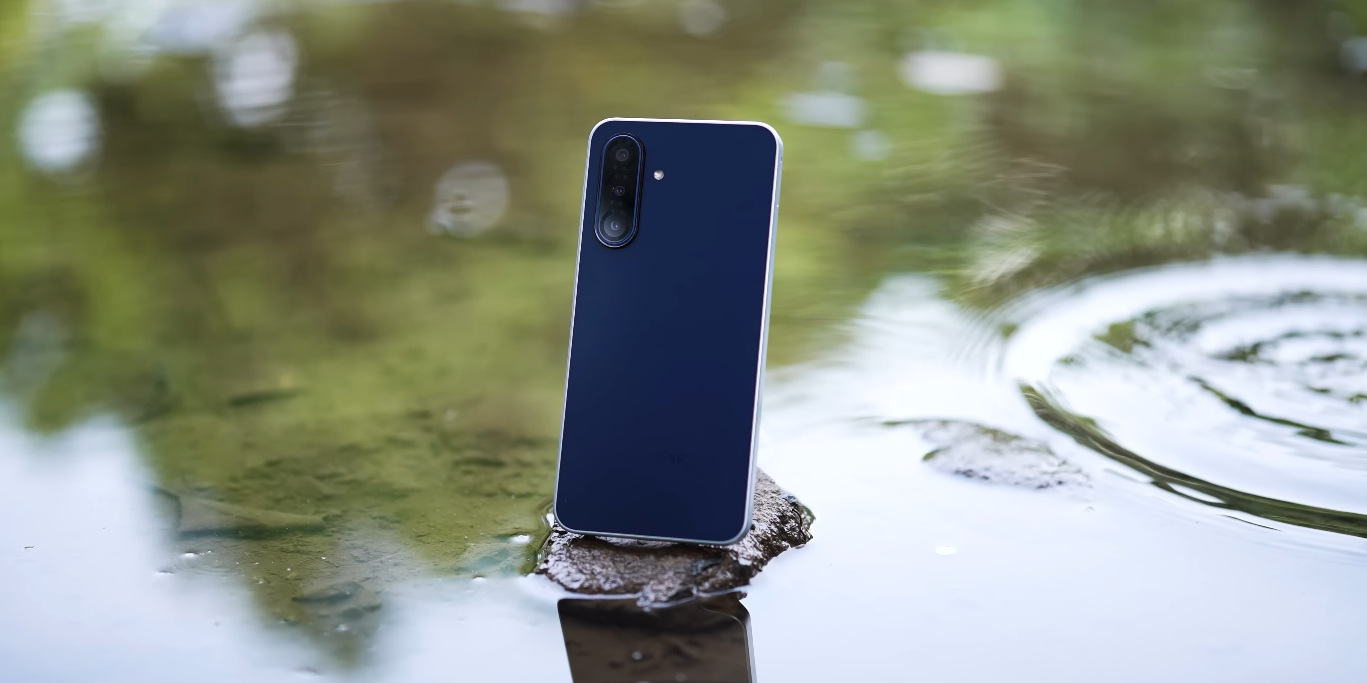
How sustainable long-term value factors into this mid-range Samsung phone
Samsung’s Galaxy M17 5G enters a mid-range category where UK buyers are now paying close attention not only to specifications, but also to how responsibly a phone is packaged and how long it stays usable before it needs replacing. The environmental conversation in 2025 is increasingly tied to lifespan more than flashy marketing, because the biggest sustainability gain a buyer can make is buying a device that lasts long and does not need replacing quickly. That is where the Galaxy M17 5G stands out strongly, because its long-term update roadmap puts it far above many competitors in this price segment.
The most important environmental signal here is software support. This model has been launched with a multi-year update commitment, which directly extends its usable life. In practical terms, that means the phone will continue to feel relevant long after many other mid-range devices stop receiving system improvements. Longevity is a major factor in environmental performance, because if a phone lasts longer, it avoids being thrown into the early replacement cycle that drives unnecessary electronic waste.
Packaging is also part of the sustainability conversation. Mid-range phones historically shipped with bulkier boxes, plastics and fillers, but newer packaging strategies now emphasise minimalist boxing. Samsung continues trimming unnecessary layers in its packaging for this type of device. Reduced filler means less disposable waste for UK users, and shipping lighter weight packaging lowers the carbon impact associated with logistics. That approach aligns with current regulatory expectations and better eco-positioning for modern consumer electronics.
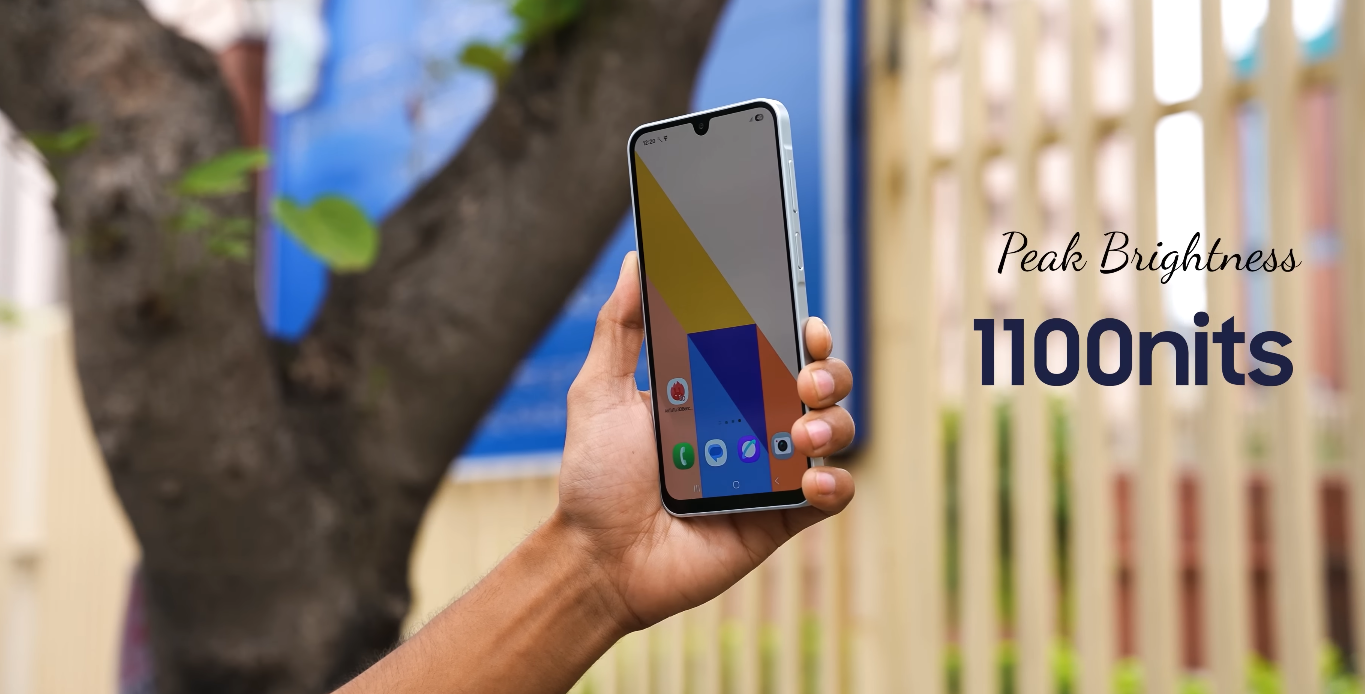
The Galaxy M17 5G uses a combination of strengthened display glass and practical lightweight materials to keep the device robust for multi-year ownership. Plastic in the body construction may not feel as premium as glass, but plastic has one clear environmental advantage: it is less fragile. Toughened outer structure means less damage potential from everyday knocks, and that reduces the likelihood of mid-cycle repairs or replacements. For environmentally minded British users, fewer breakages contribute directly to longer device lifespan.
Durability directly influences ownership time. In the UK, buyers increasingly keep their devices for several years rather than trading up annually. The Galaxy M17 5G matches this reality by focusing on resilience and steady performance rather than only chasing specification headlines. The less often a phone needs replacing, the less material ends up retired early. This is a simple but powerful environmental principle, and a mid-range model shaped around multi-year relevance aligns perfectly with that principle.
Another important angle is resale value. Phones with strong update support tend to retain relevance in the second-hand market. That is an environmental positive, because second-hand sales keep hardware in active use longer rather than pushing it into storage drawers or landfill. The Galaxy M17 5G’s extended support window will likely increase its appeal to second owners, which extends device life beyond the first buyer. That creates a more circular lifecycle pattern rather than quick disposal.
Battery behaviour plays a quiet role in environmental responsibility too. Balanced mid-range tuning means more predictable ageing. Phones with extreme fast charging sometimes suffer accelerated battery wear. By moderating charging demands logically in this class, real-world battery health can stay stable longer. If a battery remains healthy over more years, the need for replacement parts is reduced, and that contributes to ecological benefits in long-term usage.
Software stability also reduces waste of time, performance and device churn. A phone that keeps feeling responsive avoids the psychological trigger that pushes people to upgrade early. The Galaxy M17 5G’s interface and hardware pairing aim for that low-stress, consistent feel, which is an indirect but very real input into sustainability because user satisfaction delays replacement.
Environmental responsibility in 2025 does not only come from biodegradable packaging or recycled materials headlines. It comes mostly from fewer churn cycles, fewer replacements and longer relevance. The Galaxy M17 5G reinforces this type of sustainability by being built to endure through multiple future Android years. Even if packaging eco-metrics are not loudly advertised, the usable life expectation matters more in terms of real global impact.
For UK buyers who want to buy with environmental awareness without spending flagship money, the Galaxy M17 5G represents a sensible middle ground. It may not be positioned as a green marketing hero, but the combination of reduced packaging waste, balanced materials, high durability and multi-year update confidence makes it a genuinely responsible choice for long-term ownership rather than a disposable mid-tier cycle product.