Origin OS receives favorable UK market response
British reviewers point to a more mature and more usable UI direction
UK reviewers who test multiple Android skins side-by-side say the newest OriginOS release is receiving a clearly favorable reaction because it finally looks like a system built around calmer visual rules instead of decorative stacking. They say the UI now feels easier to interpret at first glance, and that is important because British users rarely spend more than a few seconds deciding whether a software layer “makes sense.” They say this calmer baseline makes the OS feel instantly modern.
British analysts also highlight the smoother app-transition pacing. They say older builds on some vivo phones occasionally felt like they lost rhythm when users jumped between apps rapidly. Now, the new OriginOS motion timing feels steadier and more consistent. UK testers say this matters because phone usage in Britain mostly happens in micro-sessions — quick checks, quick swipes, quick interactions — not long, seated desktop-style sessions.
Reviewers in the UK also mention that gesture maps feel more forgiving now. They say back swipes trigger more reliably, and app switching feels more intuitive because users do not need to target narrow zones. In busy street conditions — train platforms, buses, pavements — British users rely heavily on one-hand operation. Predictable gesture paths reduce hesitation and help people stay focused on content instead of remembering “where to swipe.”
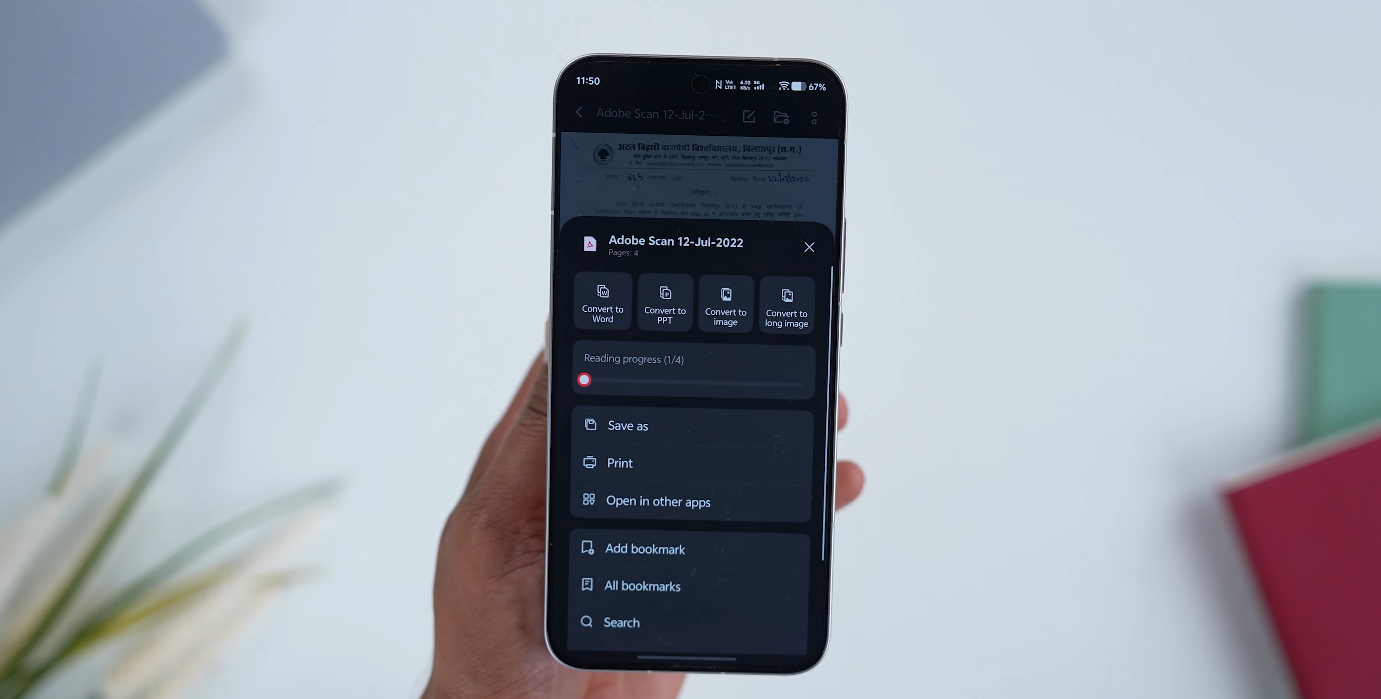
UK smartphone users are also praising the cleaner notification cards. They say message blocks look easier to read because spacing is more disciplined and font weight is more controlled. British reviewers point out that Western UX culture values readability over visual boldness, and OriginOS now seems to speak that language more naturally. Cleaner notifications also help reduce tiny reading mistakes when users are in motion.
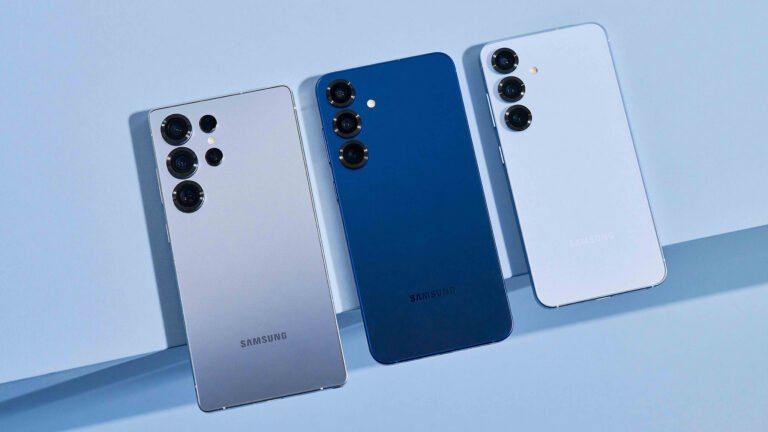
Another element praised by UK tech writers is improved RAM confidence. They say the OS appears to keep more active apps stable in the background instead of resetting tasks too aggressively. When users return to an app from a recent-tasks panel and the screen does not reload, that tiny detail feels like “real maturity.” British reviewers say this puts OriginOS closer to Samsung-level consistency, not just a stylish variation.
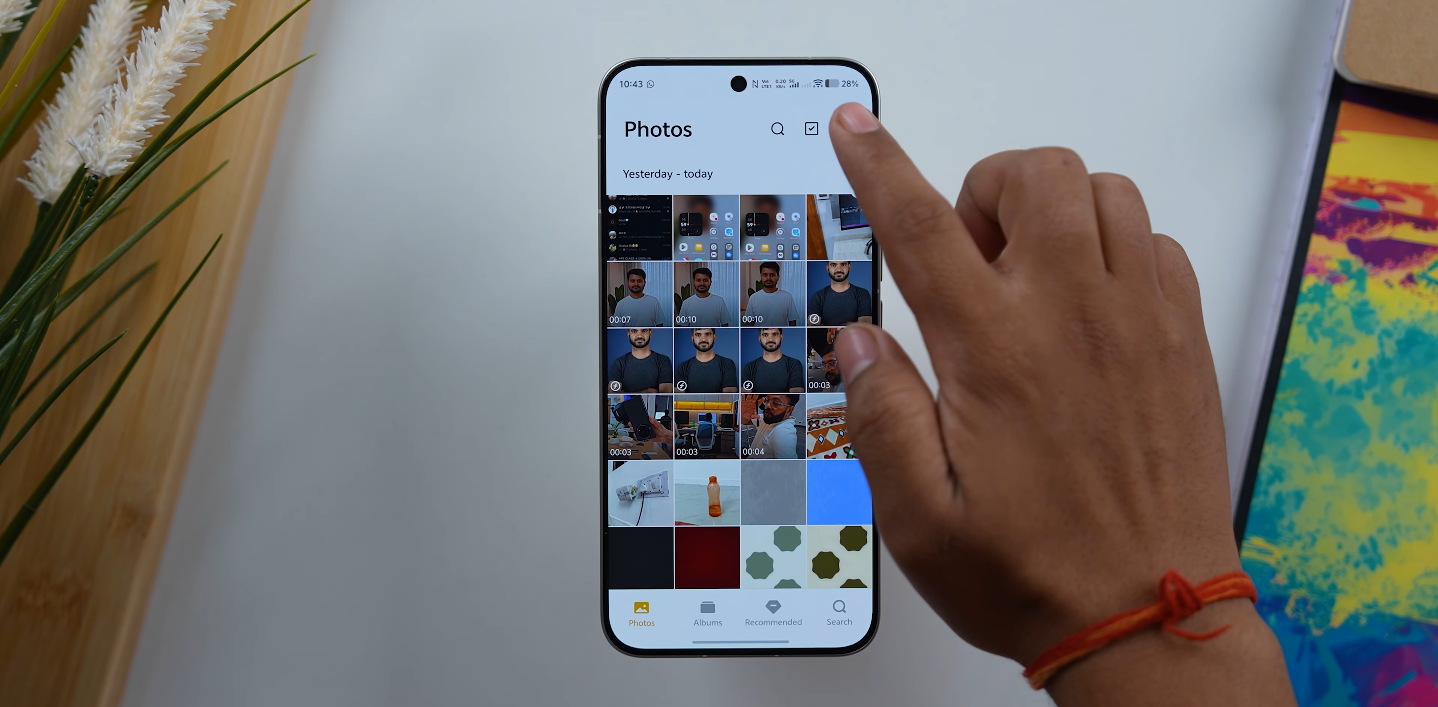
British smartphone photographers also report better experience switching between camera and gallery windows. They say UI elements in the camera app now sit more predictably, so adjustments and previews are easier to trigger without mis-taps. In the UK — where people often shoot in constantly changing outdoor environments — minor UI discipline directly affects shot success. They say small improvements compound faster than big headline claims.
UK commentary also connects all this to retail psychology. British buyers usually decide software comfort in less than 45 seconds. When a device sits on display in a carrier store, users swipe, return home, open recent apps, pull notifications, and browse quick settings. If all those actions feel stable, trust is formed immediately. British testers say the new OriginOS now passes that early trust test more consistently.
Reviewers do add one caution: they want these improvements to survive full UK firmware deployment. Visual maturity means nothing if the system behaves differently after regional carrier layers, banking app permissions and compliance checks are applied. But early sentiment in Britain says the new build finally feels Western-ready, not region-locked. UK analysts therefore describe this shift as more than cosmetic — they say it signals that vivo is aiming for true international parity.