Samsung Galaxy M17 5G vs Redmi Note 14 Pro comparison
Samsung Galaxy M17 5G vs Redmi Note 14 Pro: Budget 5G Smartphone Battle
The Samsung Galaxy M17 5G and Redmi Note 14 Pro are two strong contenders in the budget 5G smartphone segment. Both devices aim to deliver high performance, impressive camera capabilities, and long battery life without stretching the budget. While they share some similarities, each device has unique features that cater to different user priorities, making this comparison useful for prospective buyers.
Performance is an important factor for budget smartphones. The Galaxy M17 5G is powered by the Exynos 1330 processor built on a 6nm process, which ensures smooth performance for daily apps, social media, and light gaming. It comes with up to 8GB of RAM and 128GB of internal storage, expandable via microSD, offering sufficient space for media and apps. The Redmi Note 14 Pro features the MediaTek Dimensity 7300-Ultra processor, delivering robust performance for gaming and multitasking. Its RAM options go up to 12GB, with storage up to 512GB, providing a significant edge in memory and storage for users with heavy usage.
The displays on both phones are large and vibrant. The Galaxy M17 5G sports a 6.7-inch Full HD+ Super AMOLED panel with a 90Hz refresh rate and peak brightness of 1100 nits. It offers clear and colorful visuals and smooth scrolling. The Redmi Note 14 Pro also has a 6.67-inch AMOLED display but with a higher resolution of 1220×2712 pixels and a 120Hz refresh rate. The higher refresh rate makes animations and scrolling feel smoother, while the higher resolution ensures sharper visuals for media consumption and gaming.
Camera performance is a key differentiator. The Galaxy M17 5G has a triple-camera setup, including a 50MP main sensor with Optical Image Stabilization (OIS), a 5MP ultra-wide lens, and a 2MP macro lens. Its 13MP front camera ensures good-quality selfies. The inclusion of OIS allows for steadier images and smoother video recording, especially in low-light conditions. The Redmi Note 14 Pro steps up with a 200MP main sensor, an 8MP ultra-wide lens, and a 2MP macro lens. The high-resolution sensor captures detailed and sharp images, making it appealing to photography enthusiasts. Its front camera delivers quality selfies with enhanced AI features.
Battery life is strong on both devices. The Galaxy M17 5G comes with a 5000mAh battery and 25W fast charging, which supports a full day of usage. The Redmi Note 14 Pro features a slightly larger 5110mAh battery with 45W fast charging, offering extended screen-on time and quicker top-ups. Both phones are reliable for heavy usage, though the faster charging of the Redmi device gives it an advantage for users on the go.
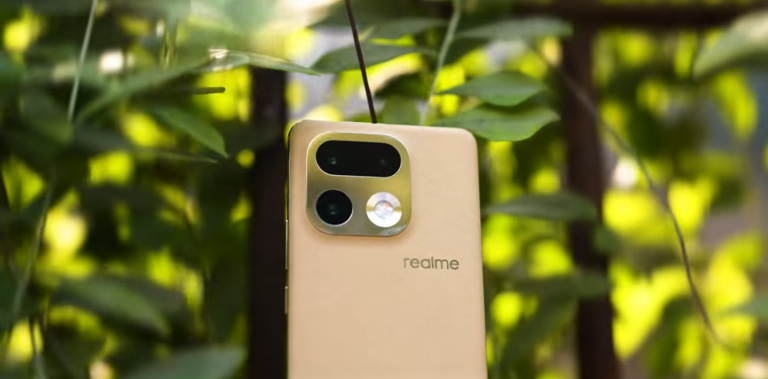
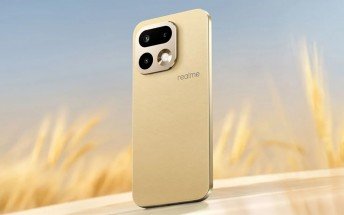
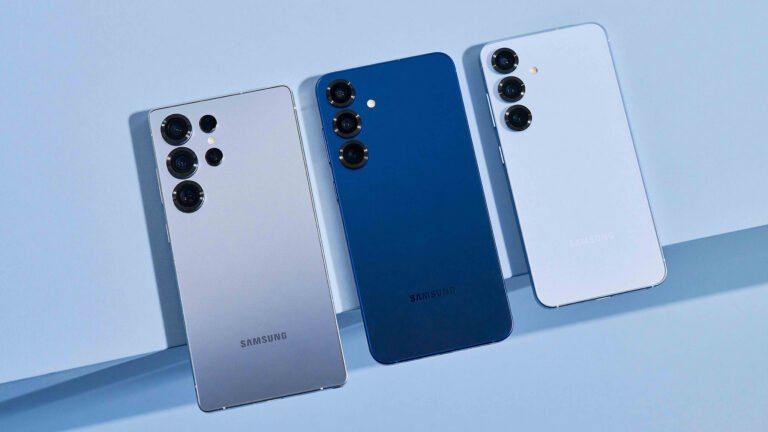
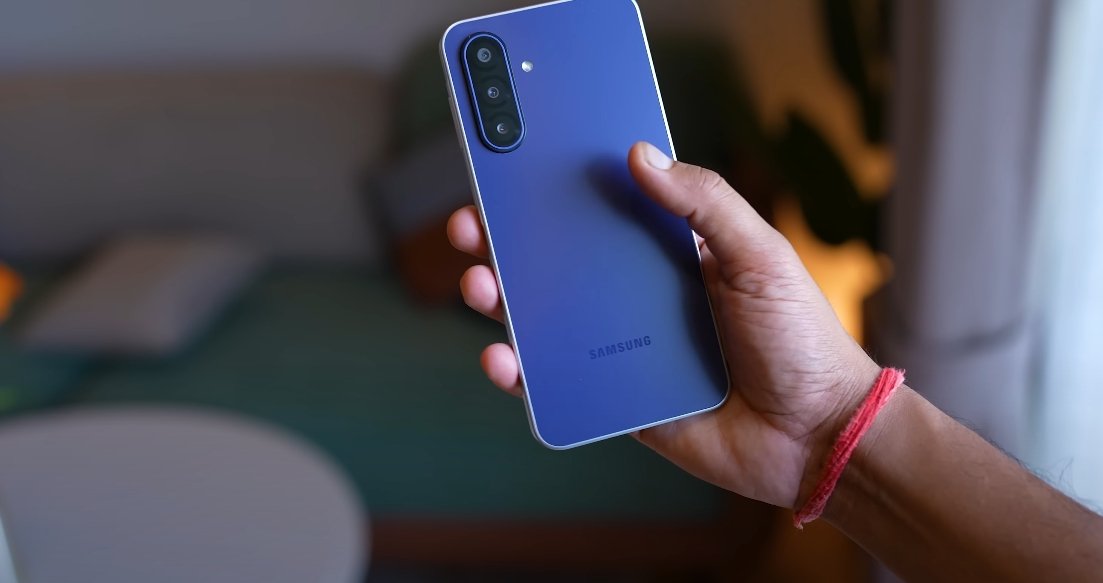
Design and build also differ slightly. The Galaxy M17 5G is slim at 7.5mm, offering a sleek and comfortable grip, available in Moonlight Silver and Sapphire Black. The Redmi Note 14 Pro is slightly thicker at 8.4mm but maintains a premium look, available in multiple colors including Midnight Black, Coral Green, Lavender Purple, and Sand Gold. Both devices are visually appealing, with the choice between slim ergonomics or a more colorful design.
Software is another consideration. The Galaxy M17 5G runs Android 15 with Samsung’s One UI 7, promising long-term software updates and security support. The Redmi Note 14 Pro runs HyperOS based on Android 14, offering a clean and responsive interface with AI optimizations, though its long-term update policy may vary. Users prioritizing software longevity may lean toward Samsung, while those wanting a lighter interface might prefer Xiaomi.
In summary, the Samsung Galaxy M17 5G excels with its OIS camera, solid display, and long-term software support, making it ideal for users who value photography and consistent updates. The Redmi Note 14 Pro stands out with its higher-resolution camera, faster charging, larger RAM and storage options, and smooth 120Hz display, making it better for gamers and media-heavy users. Choosing between the two ultimately depends on personal priorities such as camera quality, battery performance, or overall performance.
Also Read: Pixel 10 Pro Fold vs Pixel Fold First Gen Improvements