Pixel 10 Pro Fold vs Galaxy Z Fold 6 display quality
Comparing Display Quality on Two Premium Foldables
The foldable smartphone market continues to evolve, and in 2025, two of the most advanced models are the Google Pixel 10 Pro Fold and the Samsung Galaxy Z Fold 6. Both devices showcase cutting-edge display technology, offering immersive visuals, high refresh rates, and impressive brightness levels. However, their designs, display ratios, and performance characteristics make them distinct choices depending on user preferences.
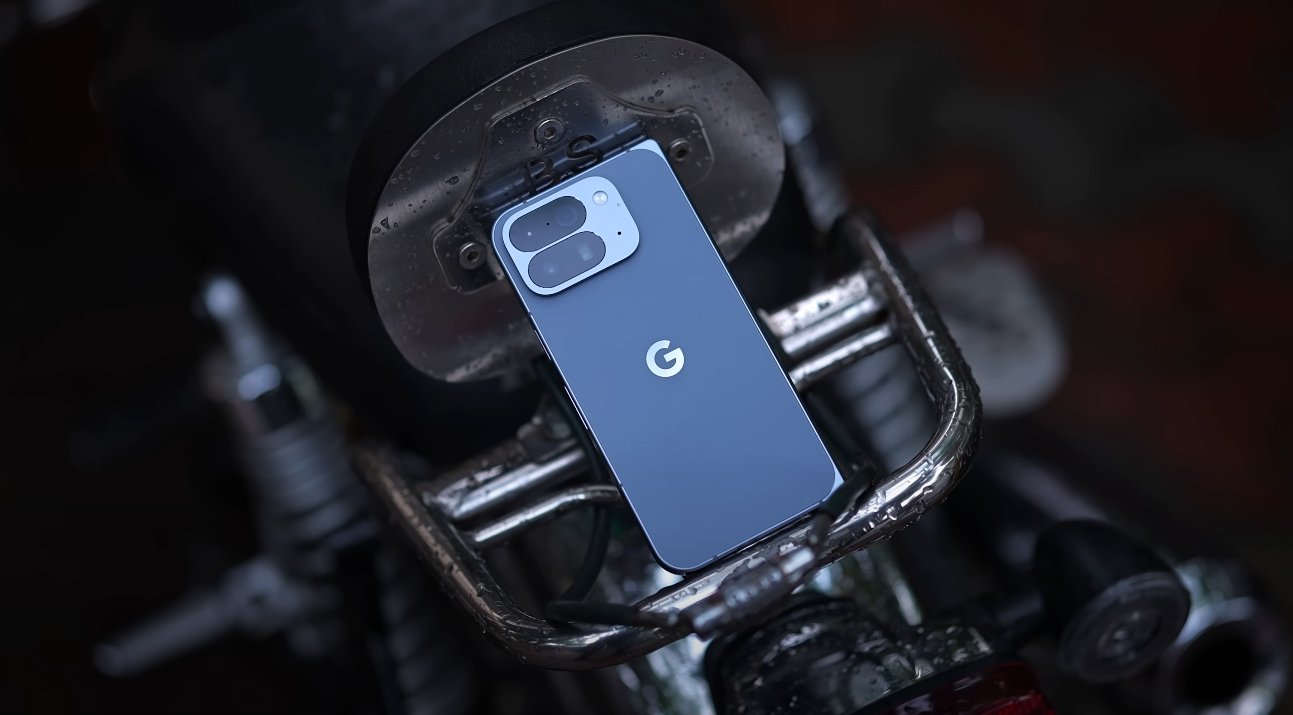
The Google Pixel 10 Pro Fold features an expansive 8-inch OLED main display with a near-square 1:1 aspect ratio, providing an exceptionally wide viewing area for multitasking and productivity. The cover display measures 6.4 inches, also OLED with a 120Hz refresh rate, ensuring smooth scrolling and color consistency between both screens. Google has pushed display brightness further than before, with the Pixel 10 Pro Fold reaching up to 3,000 nits peak brightness in certain conditions. This makes it one of the brightest foldable displays available, providing excellent outdoor visibility and enhanced HDR playback performance.
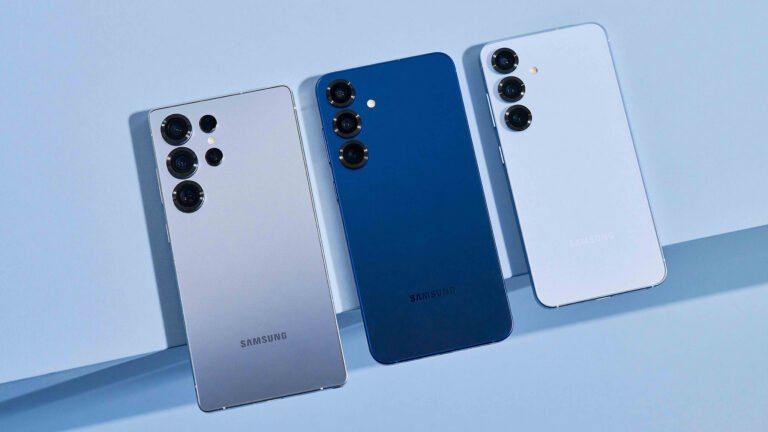
Samsung’s Galaxy Z Fold 6, on the other hand, features a 7.6-inch Dynamic AMOLED 2X main display with a 120Hz refresh rate and HDR10+ support. The outer screen measures 6.3 inches and uses the same panel technology, giving users a seamless transition between folded and unfolded modes. Samsung has improved color accuracy and contrast, and its peak brightness reaches around 2,600 nits—slightly lower than Google’s figure but still outstanding for a foldable. The company continues to refine its screen calibration, offering natural and vivid modes to suit user preferences, while maintaining exceptional color balance and black levels typical of Samsung’s AMOLED panels.
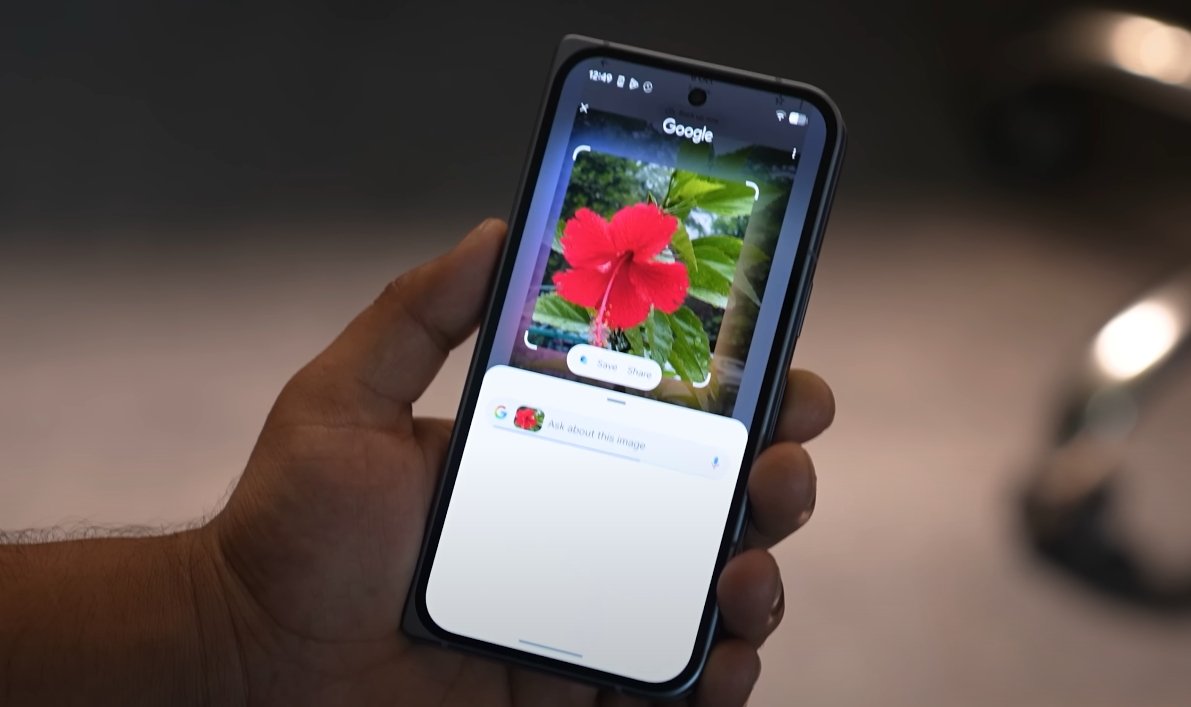
One of the major differences between the two devices lies in their aspect ratios. The Pixel 10 Pro Fold’s squarer inner display provides a near-tablet experience, ideal for split-screen multitasking, document editing, and reading. It gives users more usable space for productivity-focused applications. The Galaxy Z Fold 6, with its slightly taller aspect ratio, feels more like a traditional smartphone when folded. Its shape makes it easier to hold and use with one hand, particularly for messaging or browsing. While both displays are excellent for content consumption, the Pixel’s larger surface offers more room for immersive tasks, whereas the Galaxy’s proportions deliver better ergonomics and handling.
Durability is another area where Samsung maintains an advantage. The Galaxy Z Fold 6 uses Corning Gorilla Glass Victus 2 on its outer screen and reinforced ultra-thin glass on the inner display, improving resistance to scratches and pressure. The hinge has also been redesigned for added strength and smoother folding. The Pixel 10 Pro Fold also uses Gorilla Glass Victus 2 for its outer panel, but its inner screen protection remains more flexible and less rigid, as is common with newer foldables. While Google has improved the crease visibility and reduced the reflection along the fold line, Samsung’s experience in foldable engineering gives it a slightly more polished look and feel in everyday use.
In terms of image quality, both displays deliver stunning visuals. The Pixel 10 Pro Fold leans toward a natural color profile with excellent accuracy, making it ideal for creative professionals and users who prefer true-to-life tones. Its high brightness ensures superior HDR performance, with better highlight rendering in bright scenes. The Galaxy Z Fold 6, meanwhile, continues Samsung’s tradition of slightly more saturated colors in vivid mode, which many users find more appealing for gaming, movies, and social media. Both devices support wide color gamuts and adaptive refresh rates, adjusting dynamically between 1Hz and 120Hz to save power when viewing static content.
When it comes to real-world viewing experience, the Pixel 10 Pro Fold offers a larger and brighter panel that’s perfect for productivity, while the Galaxy Z Fold 6 excels in durability, smoothness, and color vibrancy. The Pixel’s inner display gives users more workspace, especially for multitasking and creative tasks, but it comes with added weight and a more noticeable crease. The Galaxy’s design feels slightly more compact and refined, making it more comfortable for extended handheld use.
In conclusion, the Pixel 10 Pro Fold delivers a wider, brighter, and more immersive display, best suited for users who prioritize multitasking and cinematic experiences. The Galaxy Z Fold 6, meanwhile, offers excellent display quality with a more balanced design, enhanced durability, and refined engineering. Both devices push the boundaries of foldable display technology, but the Pixel stands out for its expansive canvas and brightness, while the Galaxy shines for its longevity, craftsmanship, and perfectly tuned visuals.
Also Read: Pixel 10 Pro Fold price leak surprises USA fans