Apple iPhone Air 5G network compatibility in USA
Understanding How Apple’s New Device Connects Across America
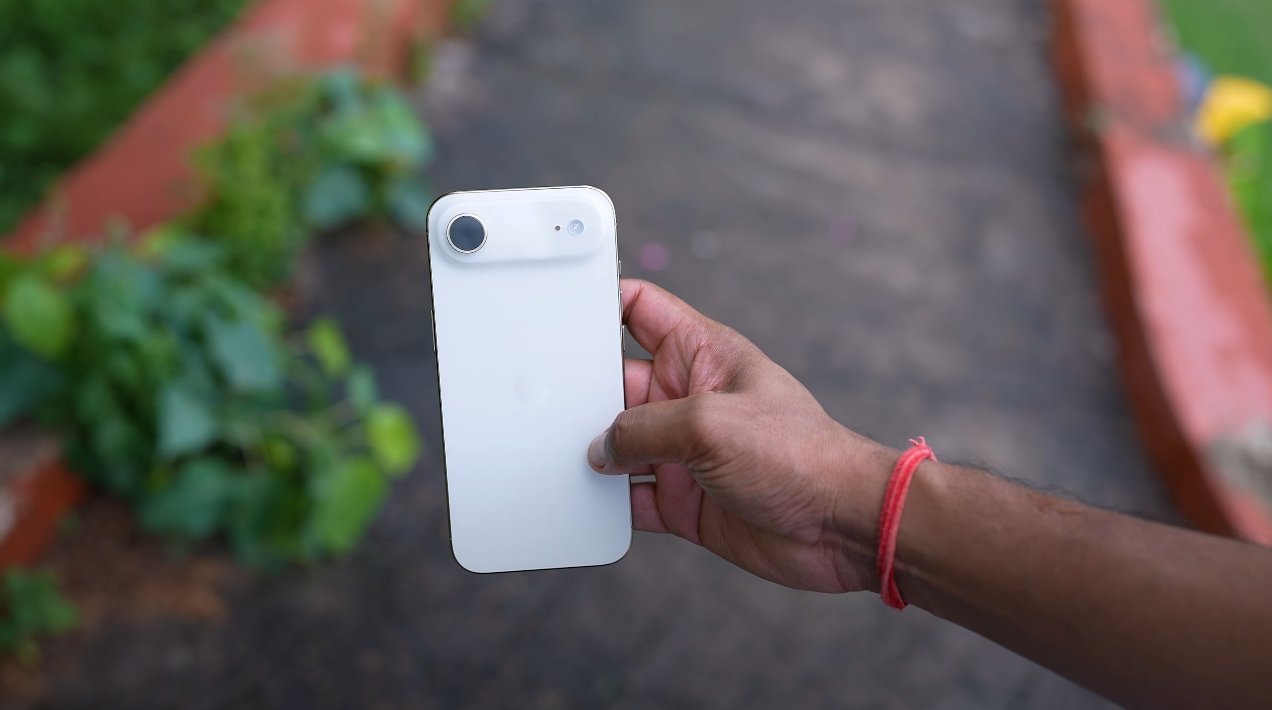
The Apple iPhone Air has been designed with a focus on efficiency, speed, and reliable connectivity, and its 5G network compatibility in the United States reflects that goal. With Apple’s latest integrated modem technology, the device offers strong support for sub-6GHz 5G networks—the most widely used form of 5G across the country. While it does not include mmWave compatibility, it still provides high-speed access for most carriers and regions, giving users consistent performance in real-world conditions.
Apple’s decision to prioritize sub-6GHz technology makes sense for a phone positioned as a streamlined, lightweight variant in its lineup. Sub-6GHz 5G is known for its balance between speed and range, meaning it can deliver faster data rates than LTE while maintaining wide coverage across both cities and rural areas. Users in the U.S. can expect stable connections, smooth video streaming, and responsive app performance in nearly all regions supported by major carriers. This ensures the iPhone Air performs seamlessly on networks such as AT&T, T-Mobile, and Verizon, even if it doesn’t fully utilize their highest-tier mmWave frequencies.
The iPhone Air’s 5G band support includes a broad range of frequencies compatible with U.S. carriers, ensuring robust signal reliability. This versatility allows users to travel between states or switch carriers without worrying about network limitations. The phone automatically adapts to the strongest available frequency, which is particularly beneficial for those who move between urban and suburban areas where network coverage can vary. Apple’s approach here focuses on delivering consistent everyday performance rather than niche speed bursts in limited zones.
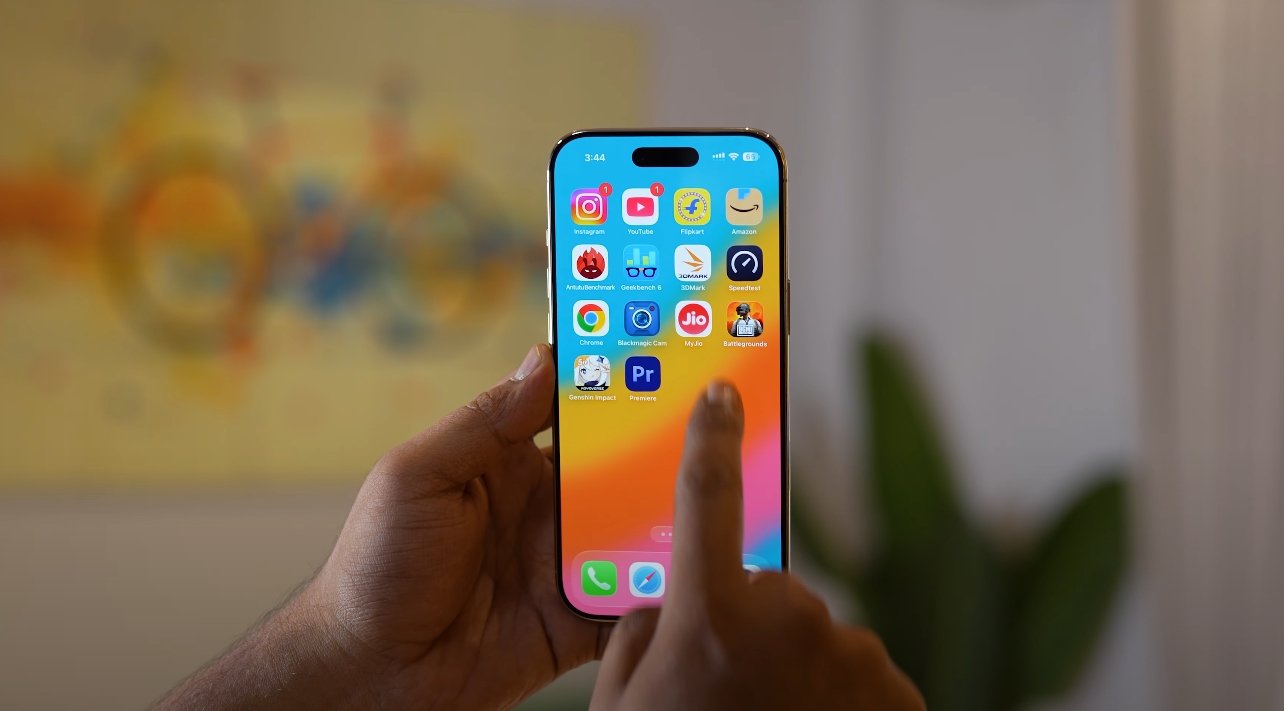
One of the most notable aspects of the iPhone Air is its exclusive reliance on eSIM technology, marking another step in Apple’s gradual transition away from physical SIM cards. This change allows users to activate plans digitally, manage multiple lines more easily, and switch networks without needing to visit a store or wait for a new card. For American users, this integration simplifies carrier selection and adds flexibility for travel or business use. Apple’s streamlined design also contributes to a thinner, more compact body without sacrificing connectivity or signal stability.
When it comes to speed, real-world performance data suggests that the iPhone Air’s 5G connectivity comfortably supports high-definition video streaming, cloud gaming, and fast downloads. Sub-6GHz 5G may not reach the theoretical speeds of mmWave networks, but it offers better reliability in buildings, vehicles, and rural locations. Apple’s optimization of antenna placement and modem software helps maintain a consistent signal even in challenging environments, reducing the dropouts that sometimes affect high-frequency connections.
For users in dense city centers, where mmWave signals are available, the iPhone Air will connect using sub-6GHz frequencies instead. While that means slightly lower maximum speeds, most users will find little difference in day-to-day use. The benefit is improved efficiency and lower power consumption, which helps extend battery life—an area Apple continues to emphasize in every generation. This trade-off reflects Apple’s goal of delivering dependable connectivity that complements real-world behavior rather than chasing peak theoretical speeds that most users rarely experience.
In summary, the iPhone Air’s 5G compatibility in the United States strikes a balance between practicality and performance. It covers a wide range of frequencies used by major carriers, ensuring that users can take advantage of nationwide 5G networks without worrying about coverage gaps. While it lacks mmWave capability, its strong sub-6GHz performance, efficient power use, and reliable connectivity make it a compelling choice for those who value stability and simplicity. Apple’s focus on optimizing real-world performance over raw speed means that the iPhone Air is ready to meet the needs of most American users, offering a fast, future-ready experience across the country.